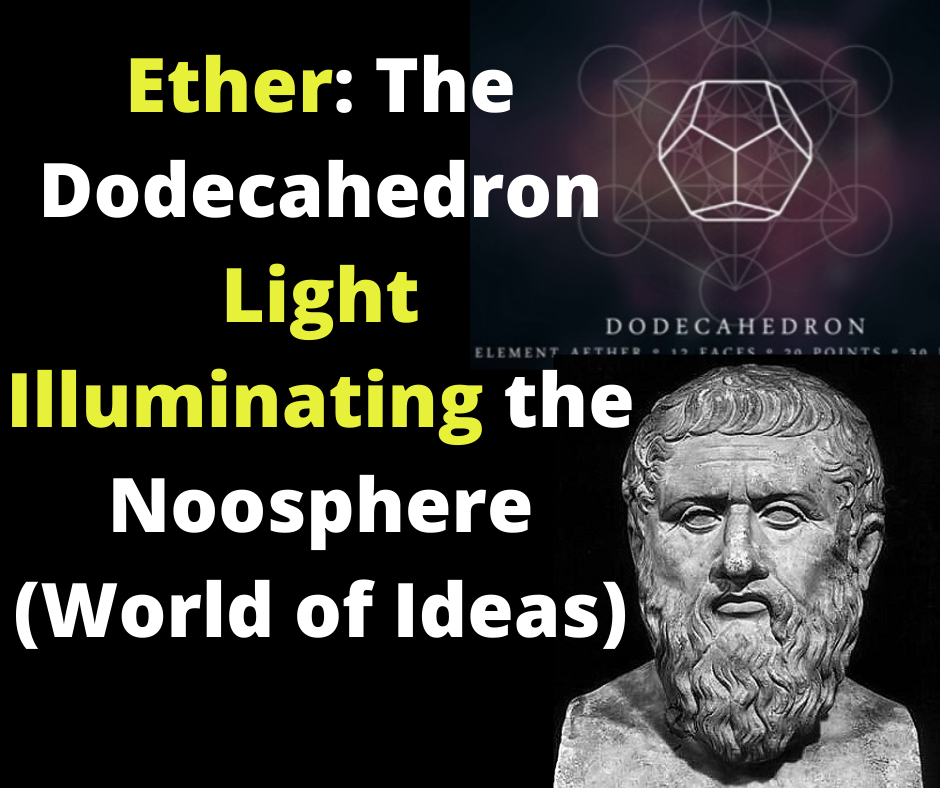
Ether: The Dodecahedron Light Illuminating the Noosphere (World of Ideas)
As ordered by the personification of the upper air, Let There Be Light!" — Aether.
Read inquiry
262 codex entries
The civilizations, languages, and bloodlines that carried the mysteries forward, and the etymology that still hides their meaning in plain sight.
As ordered by the personification of the upper air, Let There Be Light!" — Aether.
Read inquiry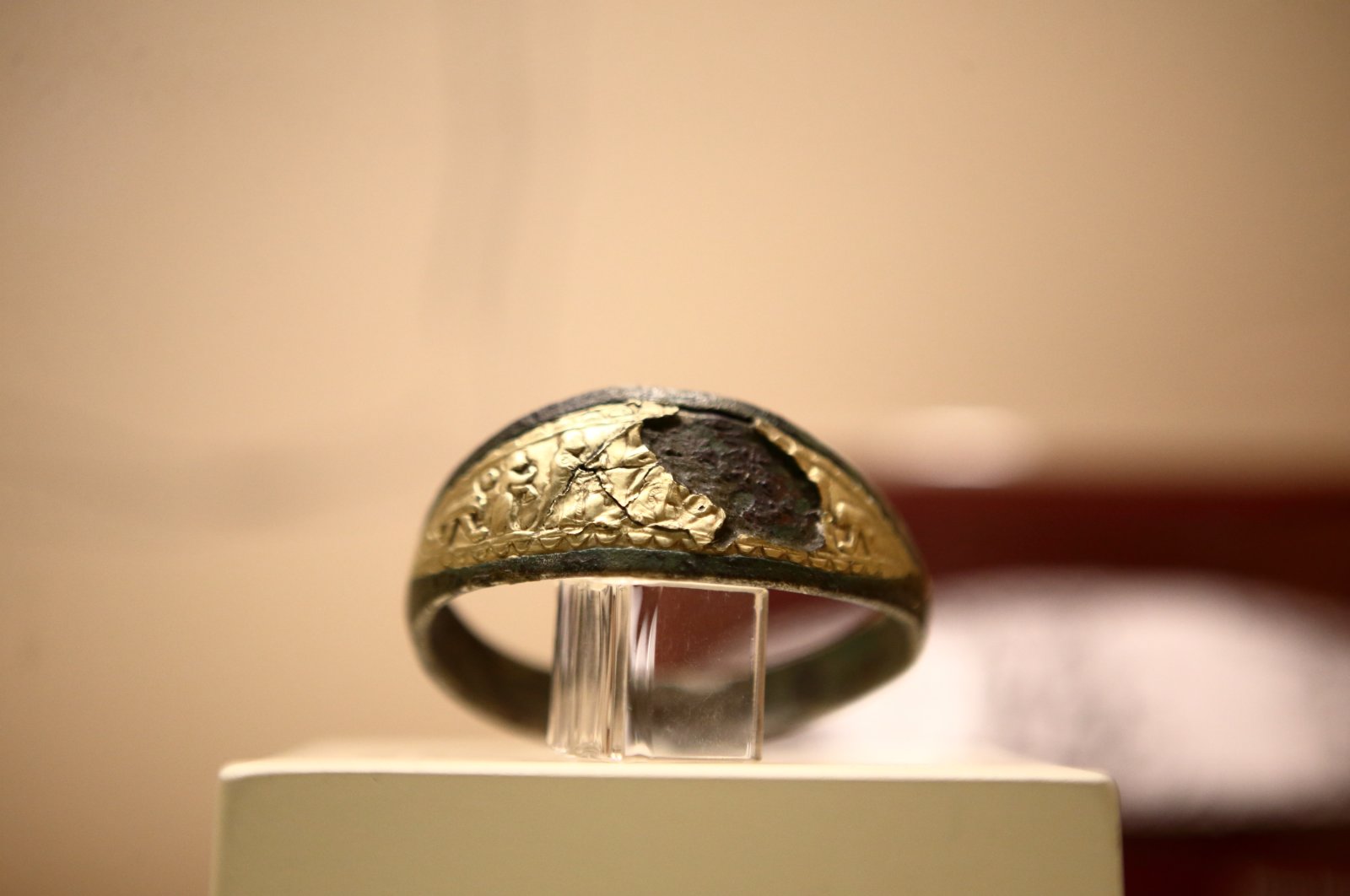
A farmer living in Turkey's central Çorum province, discovered a 3,300-year-old ancient bracelet while he was plowing his farm.
Read inquiry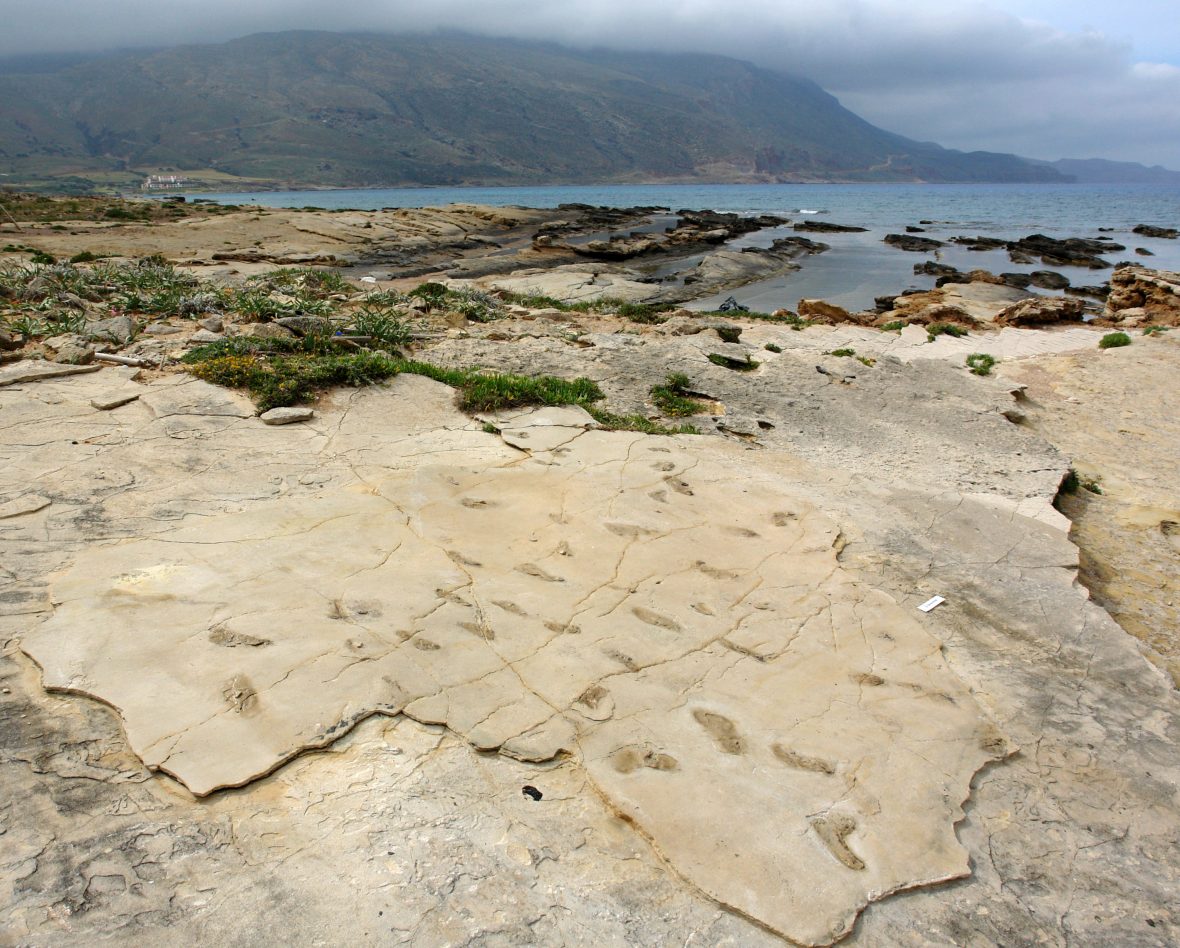
It is well known amongst ancient historians and scientists that Western civilization had its beginning on the Greek island of Crete.
Read inquiry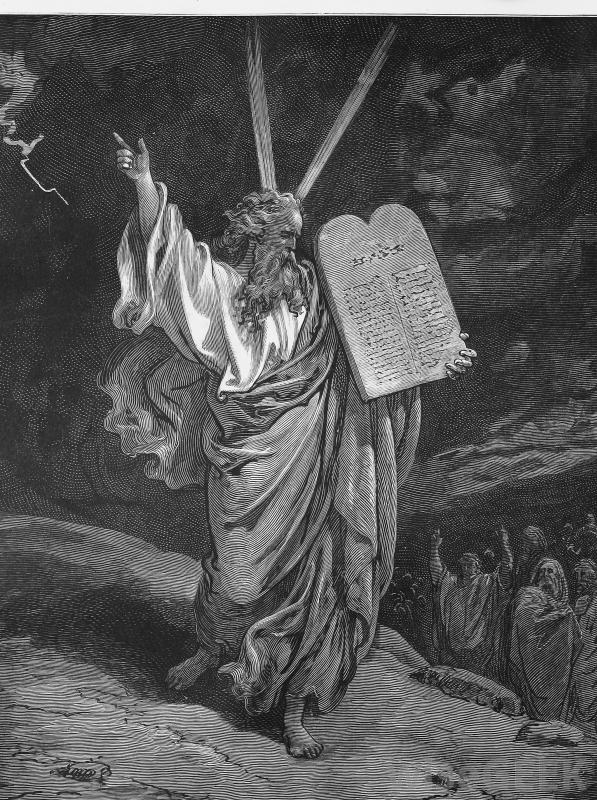
In the Scripture, Moses in the Exodus is ordered to come into the mount by God to create an "ark of chittim (shittim) wood" to place the 10 commandments of the law in.
Read inquiry
This is an excerpt from this custom blog post. Lorem ipsum dolor sit amet, consectetur adipiscing elit. Curabitur tincidunt mollis ante non volutpat.
Read inquiry
oIt is the unanimous testimony of almost all Irish Historians, that the Tuath-de-Danaans (Tribe of Dan) were learned, and well skilled in Science and Magic.
Read inquiry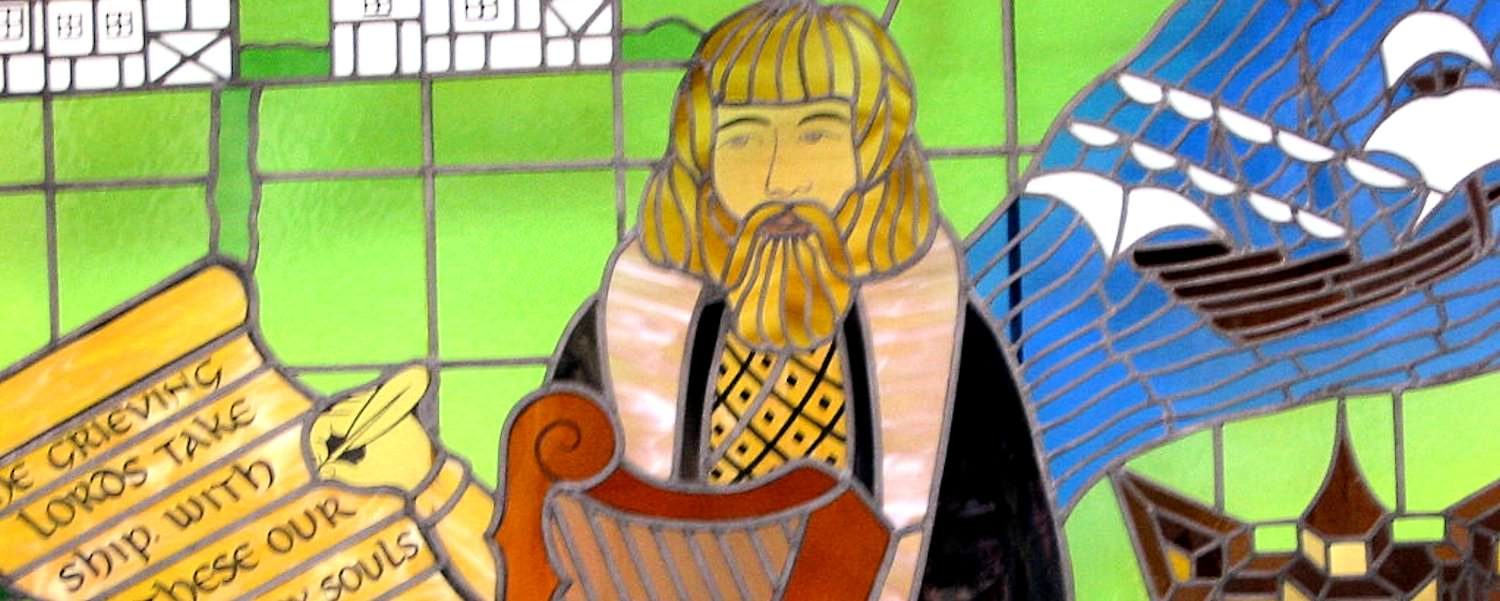
The native rulers fled abroad in the episode known as the Flight of the Earls but, as with all the major Irish kingships, the line of descent continues into the present day." One of the oldest and most important kingdoms of Ancient Europe had originated in the Northern lands of Gaelic Ireland in a place that I would like to call the "New Tyre of the West." It is from here where we can find the lost Tribe of Dan who i
Read inquiry
One of the most ancient Phoenician historians and a priest of Byblos, Sanchuniathon (Phoenician: 𐤎𐤊𐤍𐤉𐤕𐤍) had traced the ancestry of his people, the Phoenicians to Cain who was the eldest son of Adam.
Read inquiry
Morbi in sem quis dui placerat ornare. Pellentesque odio nisi, euismod in, pharetra a.
Read inquiry

A restored Gnostic Warrior archive entry on THE FUTURE IS SO BRIGHT....
Read inquiry
Praesent dapibus, neque id cursus faucibus, tortor neque egestas auguae, eu vulputate magna eros eu erat.
Read inquiry
Phasellus ultrices nulla quis nibh. Quisque a lectus. Donec consectetuer ligula vulputate sem tristique cursus. Nam nulla quam, gravida non, commodo a, sodales sit amet, nisi.
Read inquiry
Phasellus ultrices nulla quis nibh. Quisque a lectus. Donec consectetuer ligula vulputate sem tristique cursus. Nam nulla quam, gravida non.
Read inquiry
Donec nec justo eget felis facilisis fermentum. Aliquam porttitor mauris sit amet orci. Aenean dignissim pellentesque felis.
Read inquiry
Morbi in sem quis dui placerat ornare. Pellentesque odio nisi, euismod in, pharetra a, ultricies in, diam. Sed arcu. Cras consequat.
Read inquiry
One of the most Ancient Egyptian artifacts ever found in Greece was discovered on the Holy Island of Crete which further proves that the Egyptians had connections going a long way back with the Cretans who they called the Keiftu and the Greeks called the Phoenicians .
Read inquiry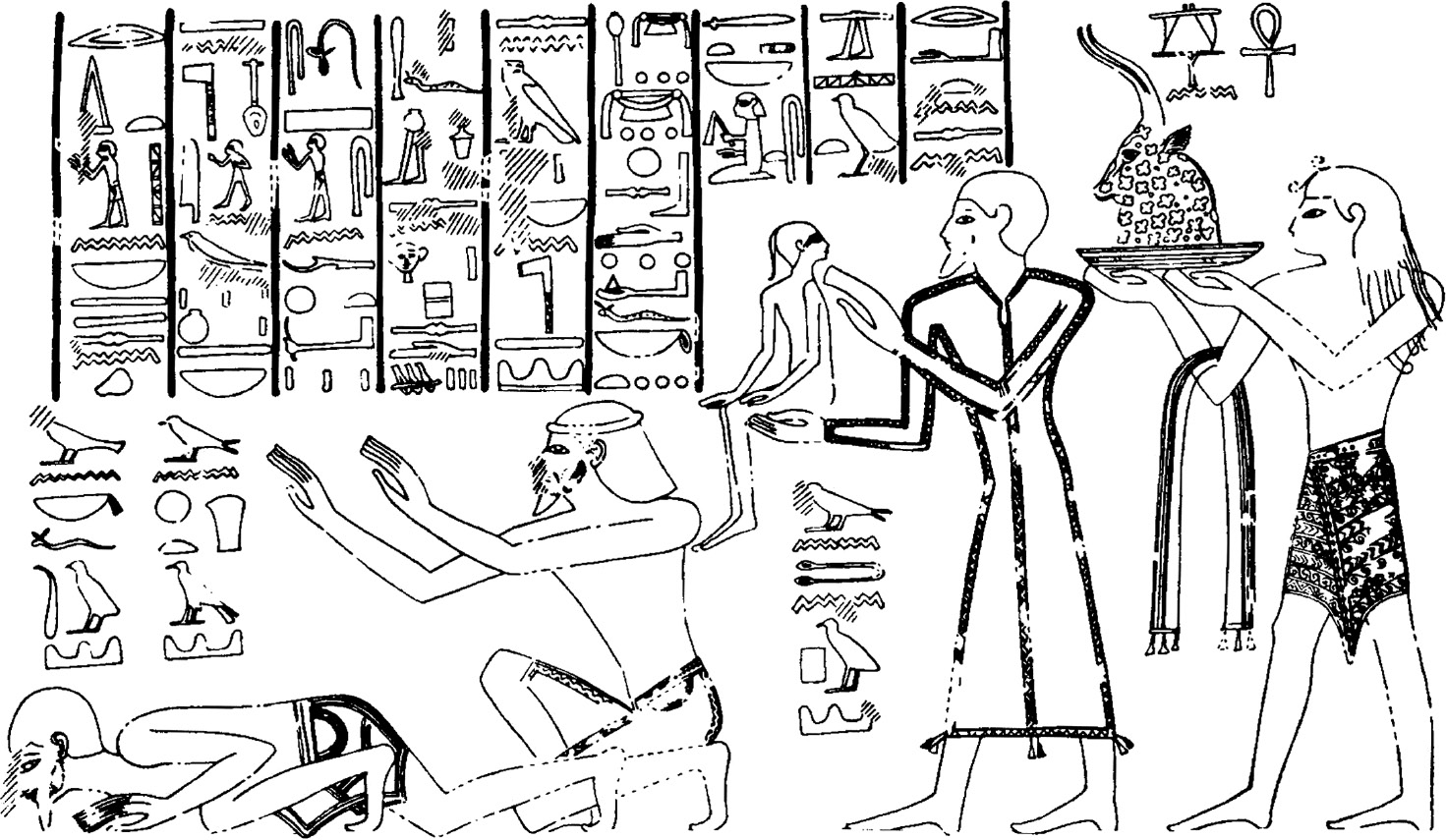
In researching the meaning and etymology of words for the last 10 years, I have come to the conclusion that many researchers of modernity have systematically butchered the original meanings out of existence.
Read inquiry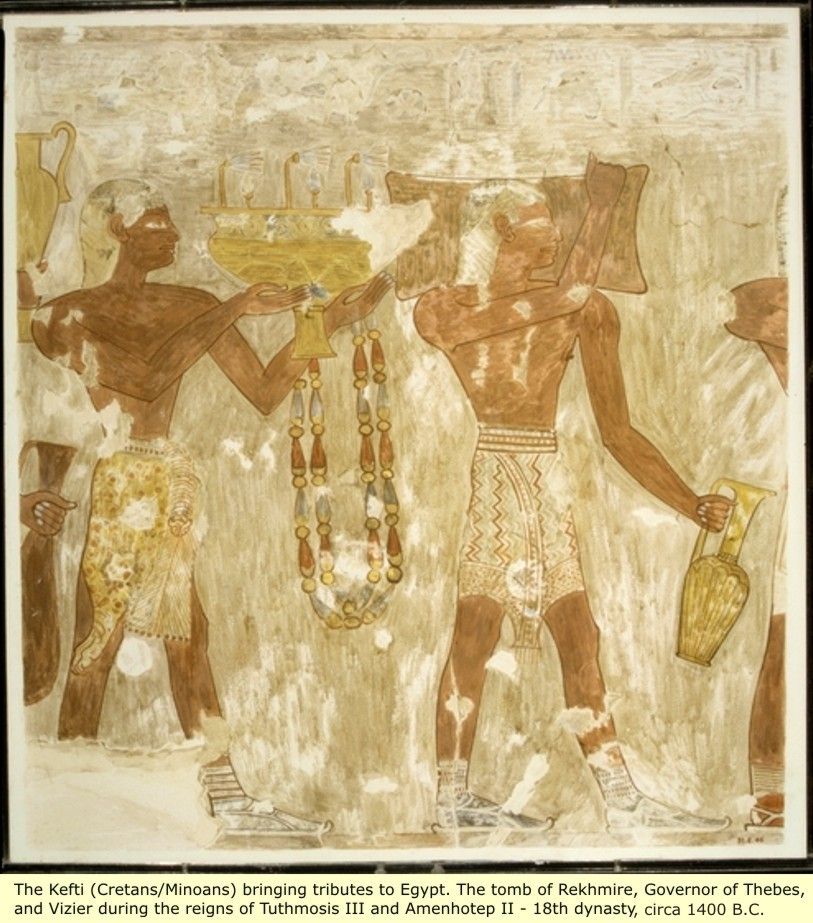
The connections and relations between the Ancient Egyptians and Cretans have been well documented by the historians of yesteryear.
Read inquiry


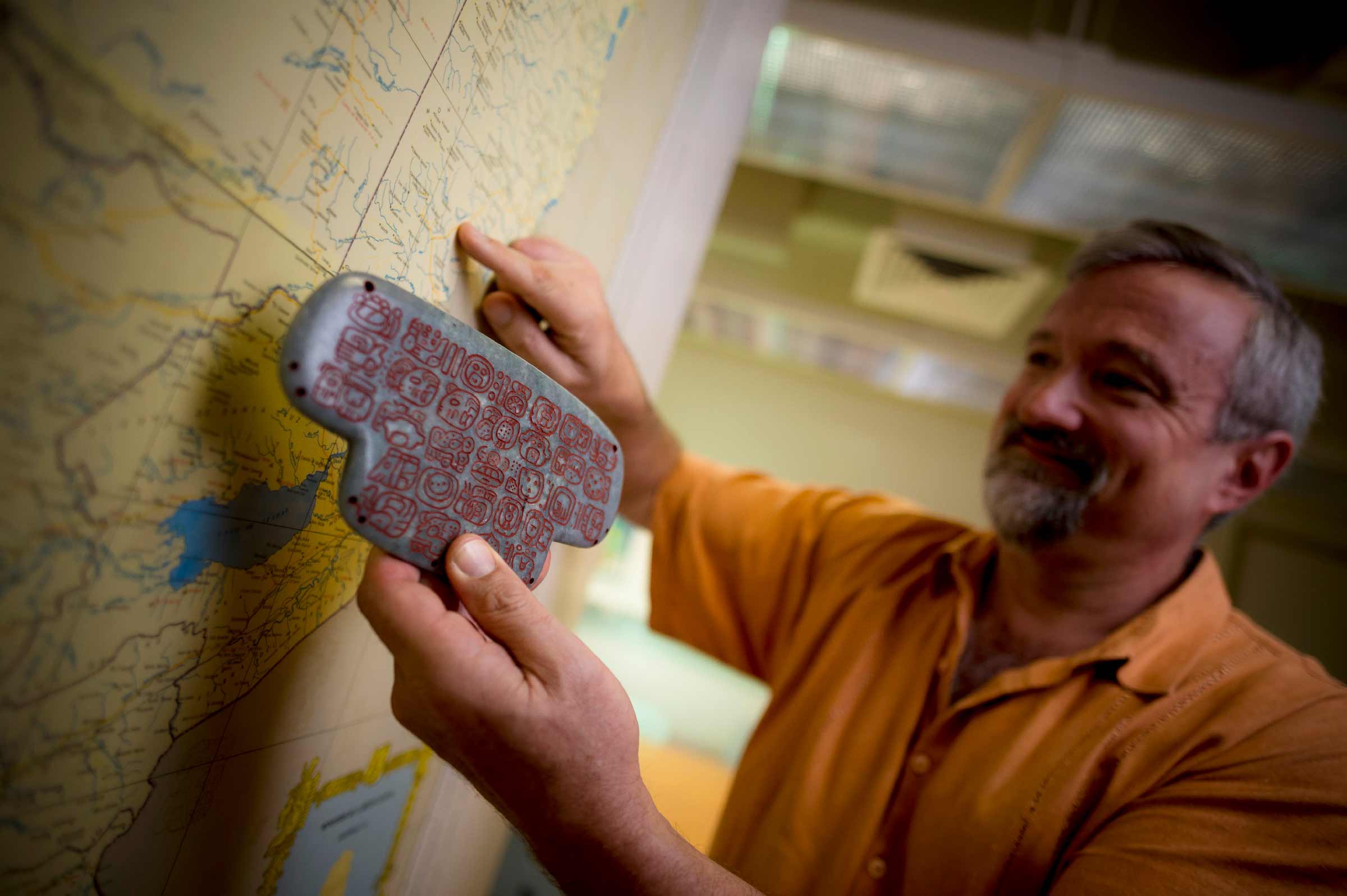
To say that UC San Diego archaeologist Geoffrey Braswell was surprised to discover a precious jewel in Nim Li Punit in southern Belize is something of an understatement.
Read inquiry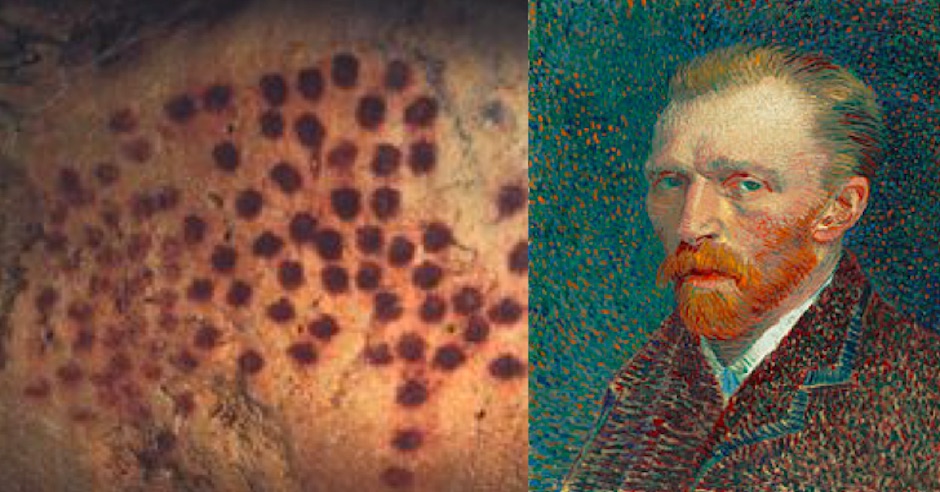
A newly discovered trove of 16 engraved and otherwise modified limestone blocks, created 38,000 years ago, confirms the ancient origins of the pointillist techniques later adopted by 19th and 20th century artists such as Georges Seurat, Vincent Van Gogh, Camille Pissarro, and Roy Lichtenstein.
Read inquiry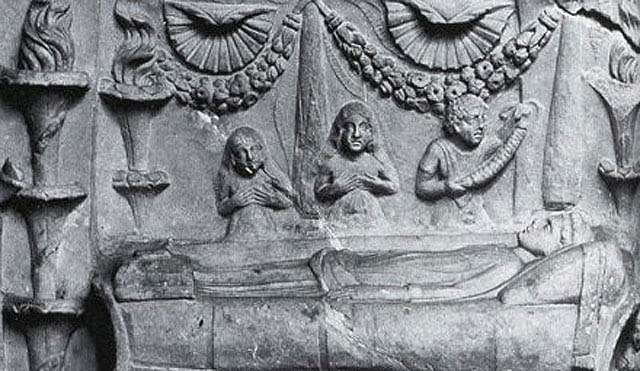
The city streets and broad grassland howled, they say, with a hollow throng of shapeless souls.” - Ovid In the month of February, there used to be an ancient festival called Parentalia (Latin pronunciation: [pa.renˈtaː.li.a]) or dies parentales (Latin pronunciation: [ˈdi.eːs pa.renˈtaː.les], "ancestral days") that was held over a 9 day period starting on February 13 and ended with the Feralia on February 21.
Read inquiry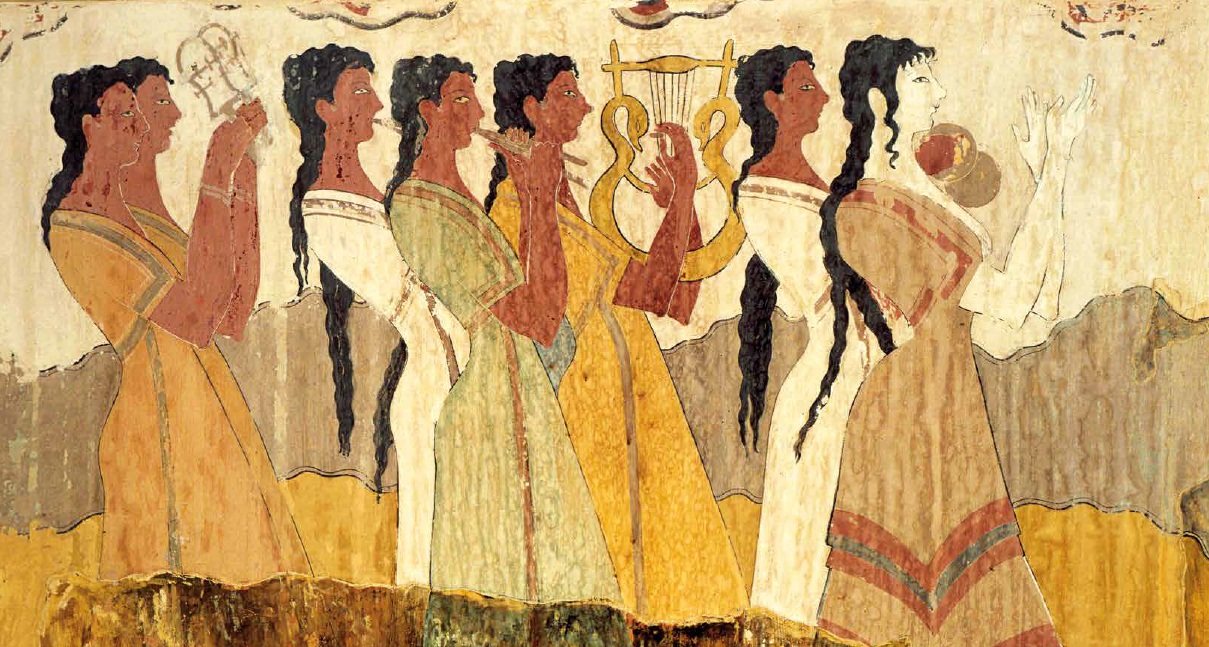
Rouse Ball, A Short Account of the History of Mathematics (1905) had said of the Phoenicians: "It seems probable that the early Greeks were largely indebted to the Phoenicians for their knowledge of practical arithmetic or the art of calculation, and perhaps also learnt from them a few properties of numbers.
Read inquiry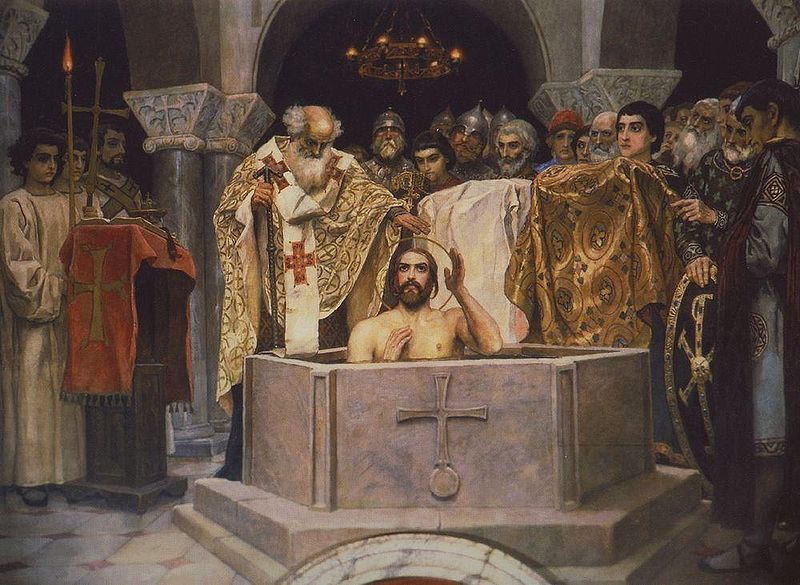
Gnosis was once the main religion of ancient empires that later became the secret religion of the royal El-ite.
Read inquiry
From time immemorial, the ancient festival that we know of today as Christmas was celebrated by many different cultures all around the world.
Read inquiry
It is there that you find the footprints of the Holy Spirit, and no one asks for him or receives him without having to pay a high price.
Read inquiry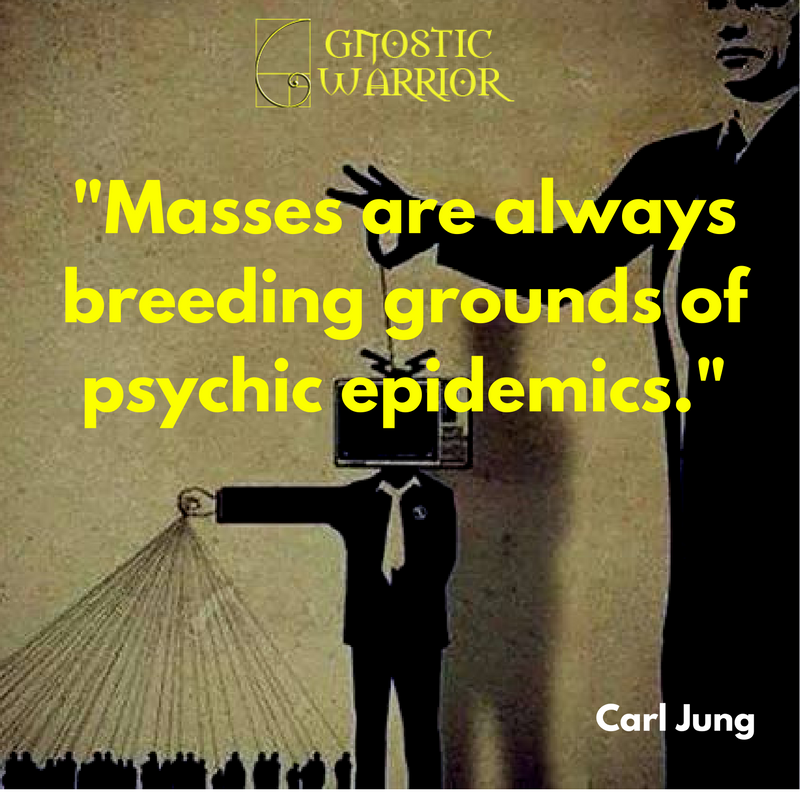
Masses are always breeding grounds of psychic epidemics is part of Moe Bedard's Gnostic Warrior research archive.
Read inquiry
In the brain of man, between the wings of the kneeling cherubim, is the mercy seat, and there man speaks with his God as the priest of the tabernacle spoke to the spirit of the Lord hovering between the wings of the Angels.
Read inquiry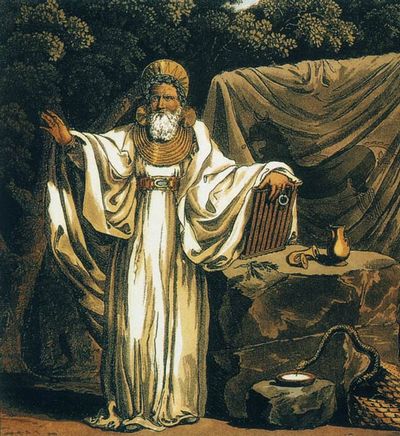
The original Druids were true children of the Magi, their initiation deriving from Egypt and Chaldea, or in other words, from the purest sources of primitive Kabalah...
Read inquiry
This Principle embodies the truth that "everything is in motion"; "everything vibrates"; "nothing is at rest"; facts which Modern Science endorses, and which each new scientific discovery tends to verify.
Read inquiry
One cannot realize Consciousness without change." By Storm Wolf - Are we there yet?
Read inquiry
Over the last couple years, semi-infamous astrotheologist and wanna be sovereign, Santos Bonacci has been verbally attacking anyone and everyone who does not agree with his unprovable esoteric teachings and half baked vegetarian theories.
Read inquiry
The annotations were discovered in England's first printed Bible, published in 1535 by Henry VIII 's printer.
Read inquiry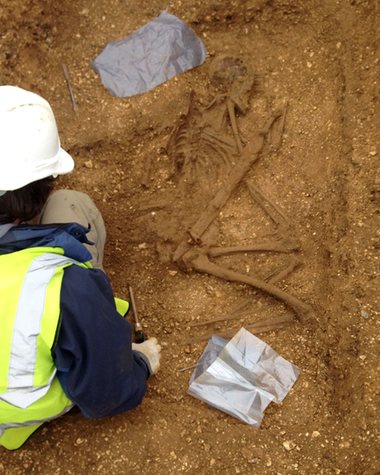
A warrior king buried almost 2,500 years ago has been discovered in an iron-age settlement unearthed at the foot of the Yorkshire Wolds .
Read inquiry
Many people are under the false assumption that this planet called Nibiru, made famous by Zecharia Stichin in his book "Twelfth Planet" , is some newly discovered unknown planet, when in fact it is simply not.
Read inquiry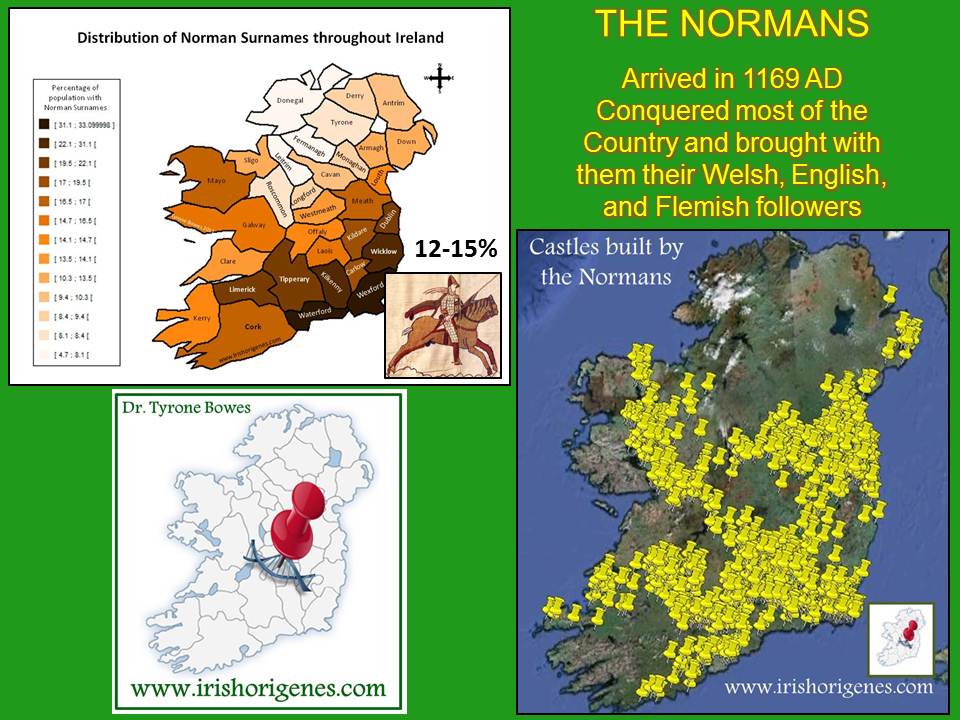
(SOURCE: RT) - Irish DNA originates in the Middle East and southern Russia, from where settlers brought ceramics and cattle as well as the genetic features of brown hair and blue eyes, scientists have discovered.
Read inquiry
As a microcosm, man is reconciler of the opposites, Heaven, man, and earth form the three chief elements of the world....
Read inquiry
The word mystery comes from the Greek word myo and means “to close or shut.” From this same root comes the word mystes, which means “ initiate”.
Read inquiry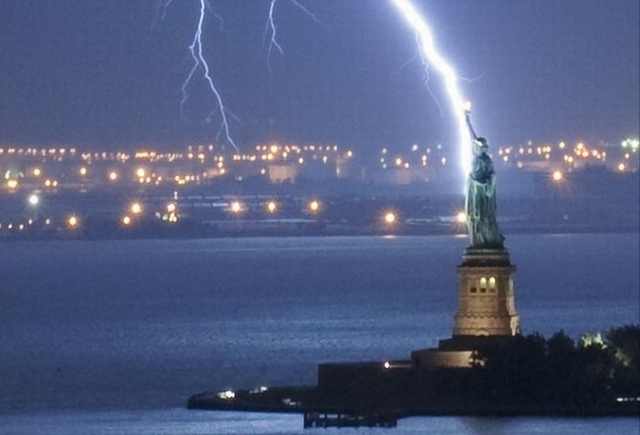
Park Ranger Kenya Finley said as visitors were again allowed to ascend to the top in 2009.
Read inquiry
In the back country of Pakistan , you will find a unique ancient tribe of people who reside in the Chitral District of Khyber- Pakhtunkhwa province .
Read inquiry
The Paraíba Stone Inscription is a script of Phoenician text dated to approximately the sixth century BCE that was found in Paraita, the easternmost state of Brazil.
Read inquiry
Vivamus egestas, metus quis egestas egestas, tortor justo pharetra diam, et dapibus massa nibh dapibus risus.
Read inquiry
Vivamus egestas, metus quis egestas egestas, tortor justo pharetra diam, et dapibus massa nibh dapibus risus.
Read inquiry
Vivamus egestas, metus quis egestas egestas, tortor justo pharetra diam, et dapibus massa nibh dapibus risus.
Read inquiry
Vivamus egestas, metus quis egestas egestas, tortor justo pharetra diam, et dapibus massa nibh dapibus risus.
Read inquiry
Vivamus egestas, metus quis egestas egestas, tortor justo pharetra diam, et dapibus massa nibh dapibus risus.
Read inquiry
Vivamus egestas, metus quis egestas egestas, tortor justo pharetra diam, et dapibus massa nibh dapibus risus.
Read inquiry
Vivamus egestas, metus quis egestas egestas, tortor justo pharetra diam, et dapibus massa nibh dapibus risus.
Read inquiry
Vivamus egestas, metus quis egestas egestas, tortor justo pharetra diam, et dapibus massa nibh dapibus risus.
Read inquiry
Vivamus egestas, metus quis egestas egestas, tortor justo pharetra diam, et dapibus massa nibh dapibus risus.
Read inquiry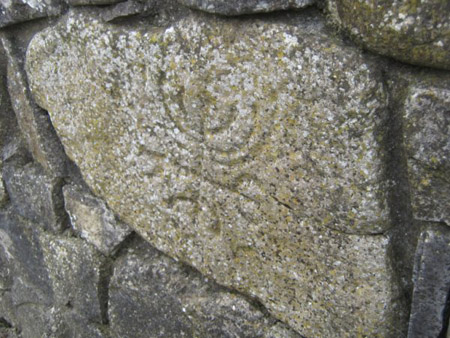
The Phoenician Hebrew Menorah (7 branch candlestick) can be found in Ireland on what is known as a pillow stone in Cloontuskert, county Roscommon.
Read inquiry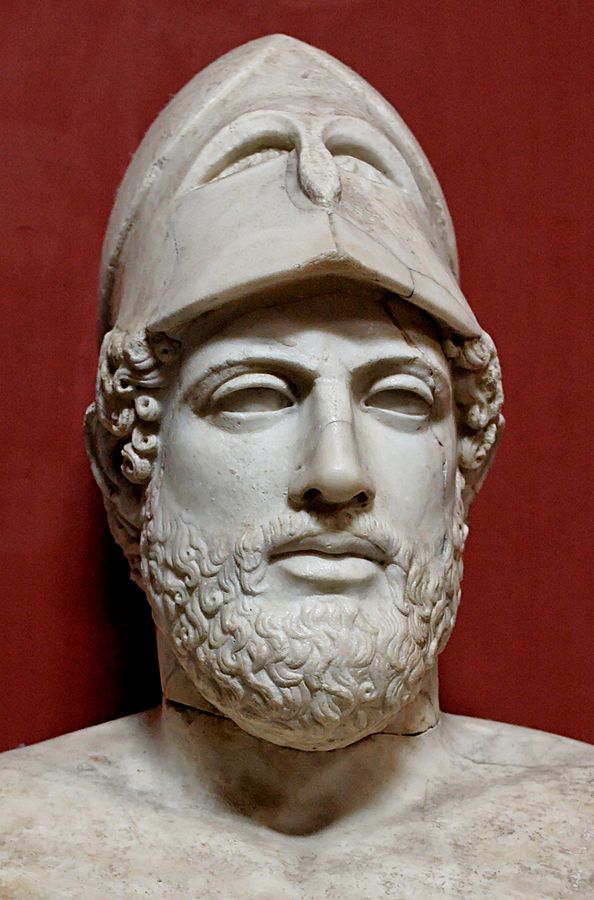
The Greek statesman and and general of Athens during the Golden Age , Pericles was said to have an abnormally large head that can be called an elongated skull.
Read inquiry
This quote is from 33rd Degree Freemason and Knight, Sir Godfrey Higgins from his book Celtic Druids: The reader will not forget that the Irish and the Greek alphabets have been proved to be the same, the truth of which will be much more clearly shewn by and by.
Read inquiry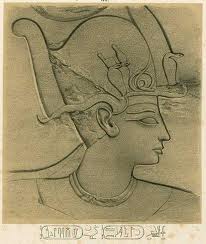
In Ancient Egypt, the word "Pharaoh" was applied to the Kings of Egypt who were said to be the “son of the sun-god”, in which the person of the living king also represented the god Horus.
Read inquiry
Many of the Irish were forcibly deported when the English had conquered Ireland.
Read inquiry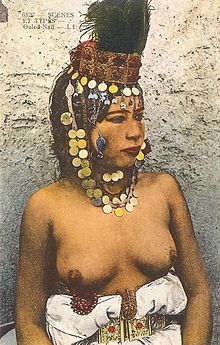
The Ulaid or Ulaidh (singular Ulad or Uladh), were a people of early Ireland who gave their name to the Irish Province of Ulster.
Read inquiry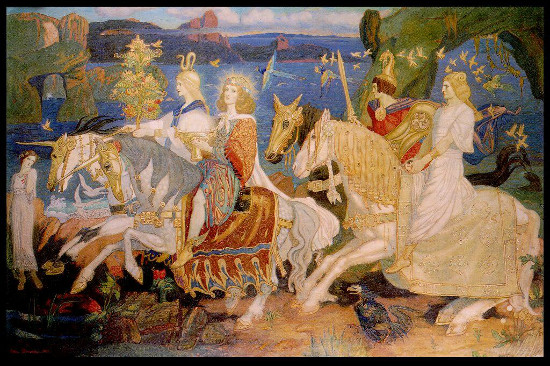
By Frederick Lawrence Rawson - Danu or Donu seems to have been considered by the Goidels or Gaels as the ancestress of the gods.
Read inquiry
It is certainly no coincidence that the Irish Gaelic word Dun or Dunn means "Judge," just as Dan does in Hebrew!" - Raymond McNair The ancient connections between the Irish Tuatha Dé Dannan and the Greek Tribe of Dan have been documented all throughout history.
Read inquiry
There are many interesting connections between the Phoenicians, Greek Ionians and the Old Irish that can be found all throughout the early history of Ireland.
Read inquiry
It is not surprising that they came from Phoenicia." - Sir Godfrey Higgins The ancient Druids in Ireland and Culdee priests of Iona had called their priests by the name of the Coarbs.
Read inquiry
The name Ireland is derived from an ancient Phoenician (Hebrews and Cretan) name Eriu , and examples of the various spellings you will find are Eri, Ere, Erin, Erin, Ire, Ierne, and Iran.
Read inquiry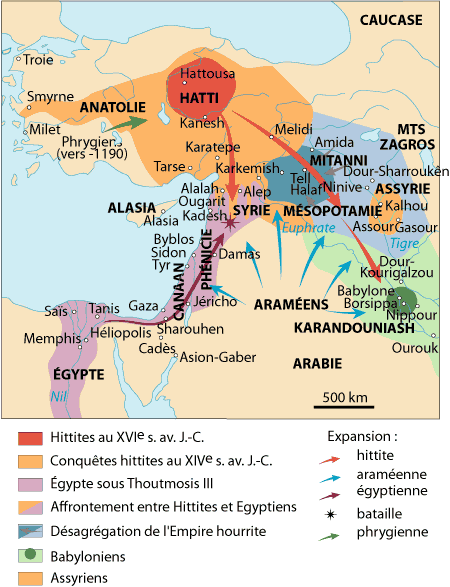
The first official unified Universal Brotherhood of the Hittites (Kheta) with Egypt can be summed up with this one sentence below that has echoed down through history to us by an ancient Hittite scribe who had written; "History had nothing to report of the Kheta people, but that they had one heart and one soul with Egypt" (Brugsch, Hist.
Read inquiry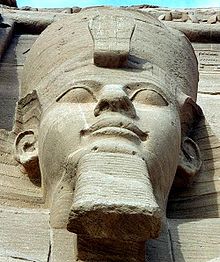
Many Egyptian scholars and researchers believe that the Hittite and Egyptian Kingdoms have always been separate with each empire ruling their own people in their different lands, but my research proves otherwise.
Read inquiry
Charlemagne, in Latin, Carolus Magnus (Charles the Great) was said by many people to be a giant man of very large height and to have tremendous strength.
Read inquiry
In pharetra, est vitae interdum tincidunt, urna ligula rutrum tellus, sit amet pharetra purus magna eu enim.
Read inquiry
In pharetra, est vitae interdum tincidunt, urna ligula rutrum tellus, sit amet pharetra purus magna eu enim.
Read inquiry
In pharetra, est vitae interdum tincidunt, urna ligula rutrum tellus, sit amet pharetra purus magna eu enim.
Read inquiry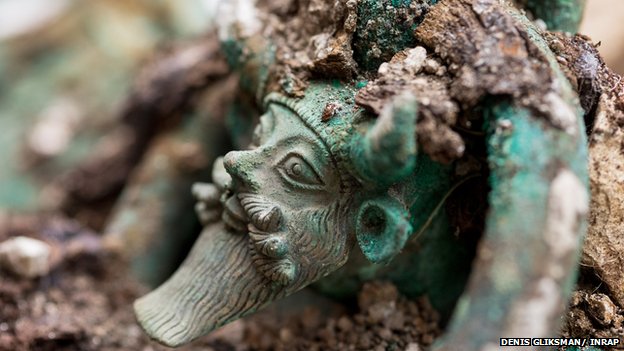
Archaeologists in France have discovered an ancient Celtic burial ground from around the 5th century with a skeleton buried alongside a chariot, a long bronze sword found in its sheath, and magnificent Greek and possibly Etruscan artifacts.
Read inquiry
There's a battle between two wolves inside all of us is part of Moe Bedard's Gnostic Warrior research archive.
Read inquiry
In ancient Egypt, the serpent Apep (Apophis) was known as the evil god who lived in the underworld, and was the most wicked enemy of Ra.
Read inquiry
The term “Canaanites” in the Old Testament was normally applied to the inhabitants of the lower coastal regions of the Land of Canaan, as opposed to the inhabitants of the mountainous regions like that of the Amorites , who are often referred to in the bible as “certain highland mountaineers in the Land of Canaan .” The name Amorite is regarded as synonymous with “Canaanite”—only “Amorite” is never used for the popul
Read inquiry
During the final persecution of the Holy Roman Church, Peter the Roman will rule, feeding the flock through many tribulations, at the end of which the city of seven hills will be destroyed, and the formidable judge will judge his people." It is well-known that the city of Rome was built on seven hills or mountains, but did you know that Washington DC was also built on seven hills?
Read inquiry
In an ancient hymn to the god Amon-Ra, it is said that “the gods gather as dogs round his feet.” The Phoenician Prince Cadmus (Kadmus or Kadman) was said to be the first person to bring letters, and writing to the Greeks.
Read inquiry
They went into the eternal kingdom into eternal life of brightest splendour; Baedan the noble the angelical Columba the resplendent." The research I will put forth below is based on the Tribe of Judah, known as the Bedas (Baedans) in Ireland who ruled for approximately 10 centuries.
Read inquiry
In ancient times, every church had kept a "Book of Life", or register which recorded the names of those souls chosen by the church and king to be prayed for.
Read inquiry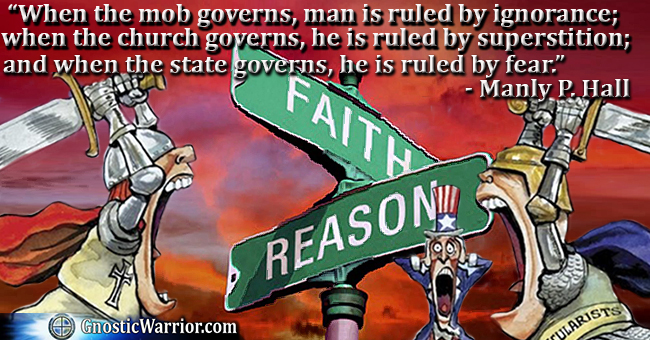
When the mob governs, man is ruled by ignorance; when the church governs, he is ruled by superstition; and when the state governs, he is ruled by fear.
Read inquiry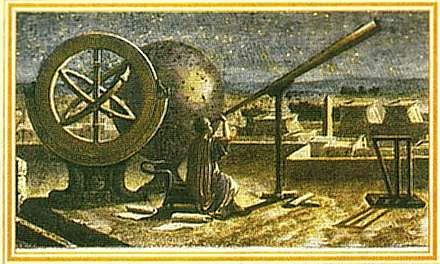
The telescope was known to a very few of the priests, and kept by them in private for the use only of the persons initiated into the higher mysteries.
Read inquiry
By Sir Godfrey Higgins - From the circumstances related of Abaris , and from various particulars which have descended to us, we must see, I think, that the Druids were Pythagoreans .
Read inquiry
As above, so below, as within, so without, as the universe, so the soul" - Hermes Trismegistus The term, "As above, so below" was recorded in the Hermetic texts from The Emerald Tablet of Hermes Trismegistus , which states: "That which is Below corresponds to that which is Above, and that which is Above corresponds to that which is Below, to accomplish the miracle of the One Thing." In the heavens above, the planet's
Read inquiry
Awake!..May you be alert as a living one, rejuvenated every day, healthy in millions of occasions of god sleep, while the gods protect you, protection being around you every day." - Ancient Egyptian Hymn A sarcophagus is a stone coffin that is often associated with the royalty and El-ite of ancient Egypt, Crete, Greece and Rome.
Read inquiry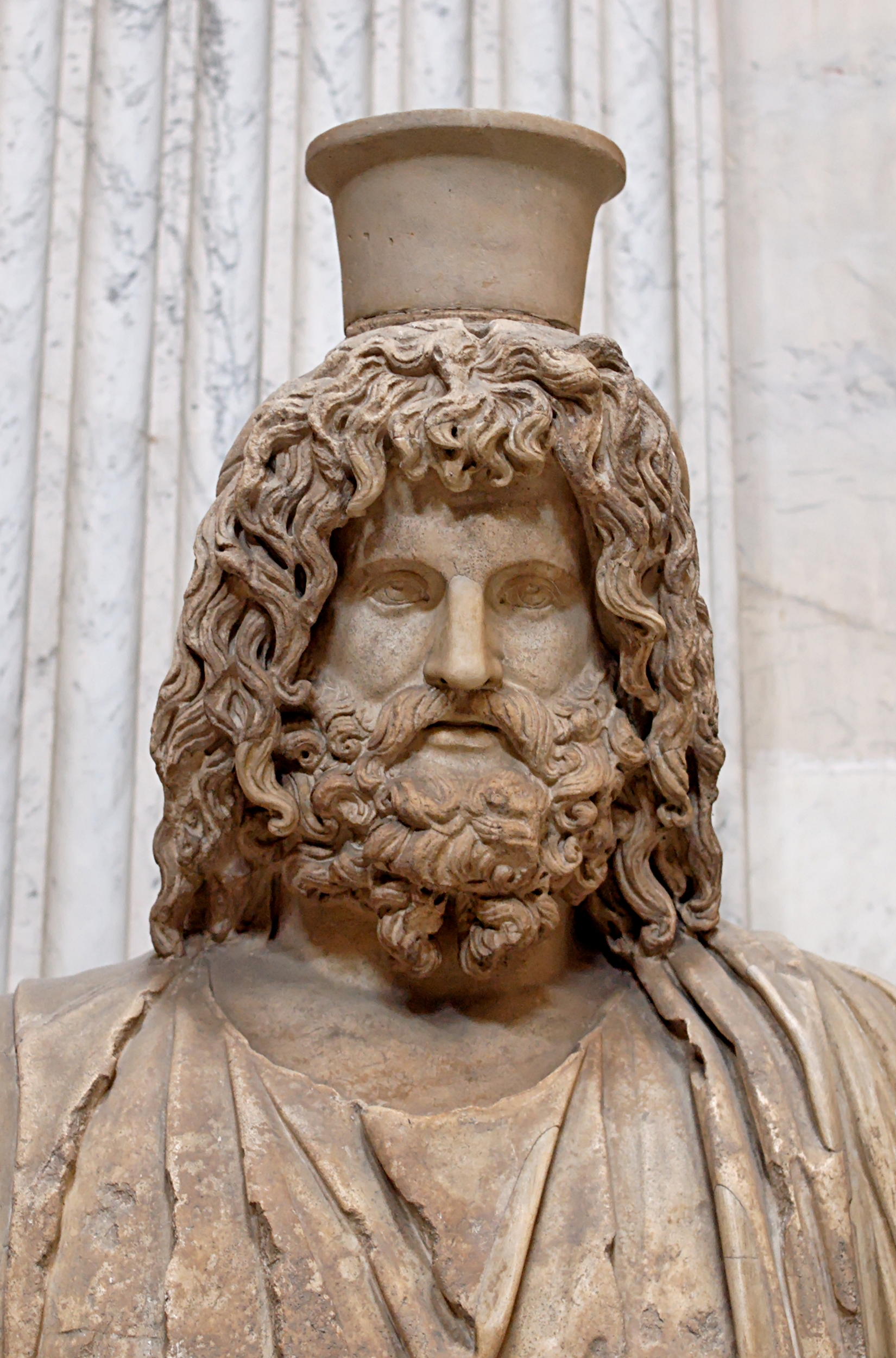
These causes of our wickedness are derived from our parents, and from our constitutions, rather than from ourselves; for while we recoil from the works of our ancestors they are not idle." - Plato A spiritual battle has been fought on the earth and in the heavens for thousands of years.
Read inquiry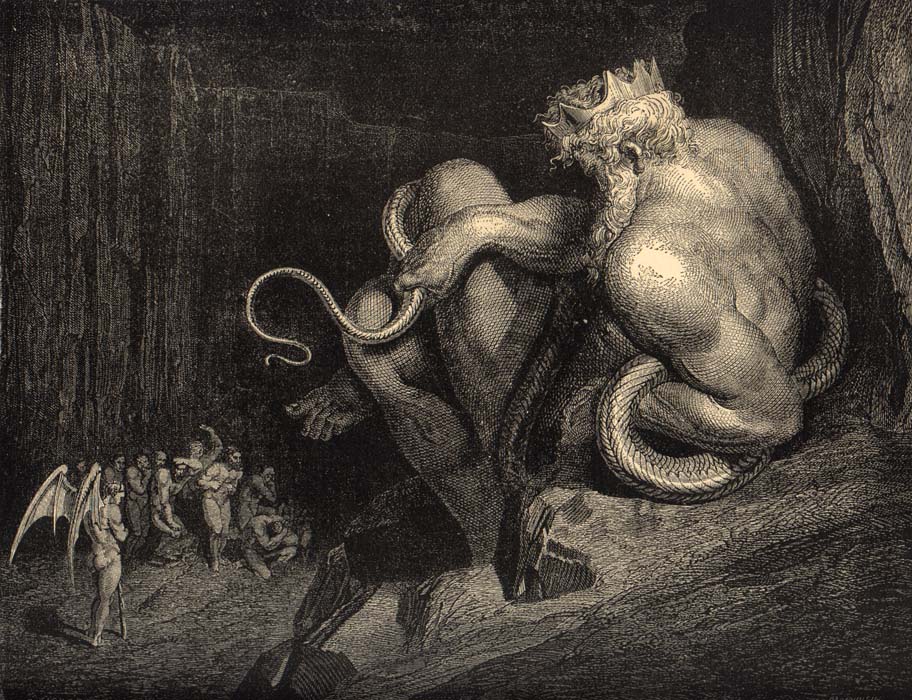
The great dragon was hurled down—that ancient serpent called the devil, or Satan, who leads the whole world astray.
Read inquiry
The word cosmos, or kosmos (Greek κόσμος) means "beauty of arrangement." The meaning of the word was first applied to creation by one of the greatest Greek philosophers and mathematicians ever, Pythagoras of Samos.
Read inquiry
The sceptre shall not depart from Judah, nor a lawgiver from between his feet, until Shiloh come; and unto him shall the gathering of the people be.
Read inquiry
The practice of magick - either white or black - depends upon the ability of the adept to control the universal life force - that which Eliphas Levi calls the great magical agent or astral light ....in the arcanum of magic it is declared that 'he controls the soul who controls the blood of another." True black magic is performed with the aid of a demoniacal spirit, who serves the sorcerer for the length of his earthl
Read inquiry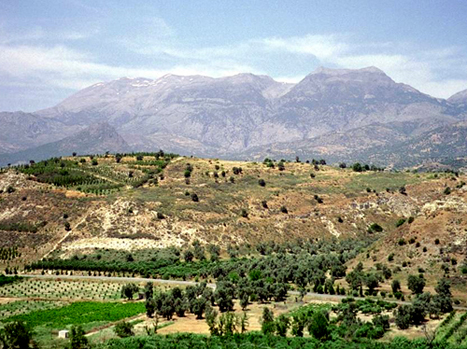
The meaning of the name Zion is 'stone', and the meaning of Mount Zion is "The Mount of Stone."(1) In the bible, Zion was the hill in Jerusalem on which the city of David was built; and to the Christians, it is the heavenly city or kingdom of heaven.
Read inquiry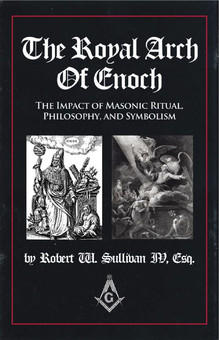
Later today on the Gnostic Warrior Radio Show and Podcast we have the pleasure of interviewing author Robert W.
Read inquiry
Concerning these things will I speak, and these things will I explain unto you, my children: I am Enoch.
Read inquiry
One of Europe’s oldest cities is located on the fifth largest island in the Mediterranean Sea; the island of Crete which is in the country of Greece.
Read inquiry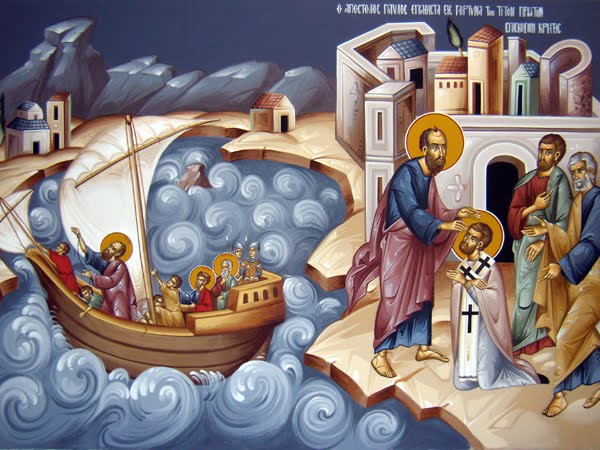
The Cretans are well-known and are mostly named along with the Philistines or Pallitini in the Bible: 2 Sam.
Read inquiry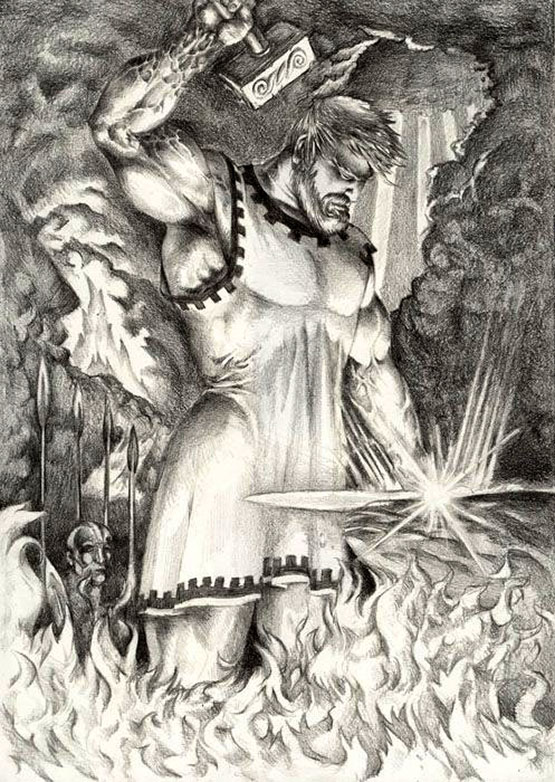
The Telchnines (Telknines, Telkhis, Telegonus, or Greek, Τελχῖνες) were a daemon tribe of artists, magicians, warriors and merchants who at one time resided on the island of Crete (Krete) in approximately the year 1600 BC.
Read inquiry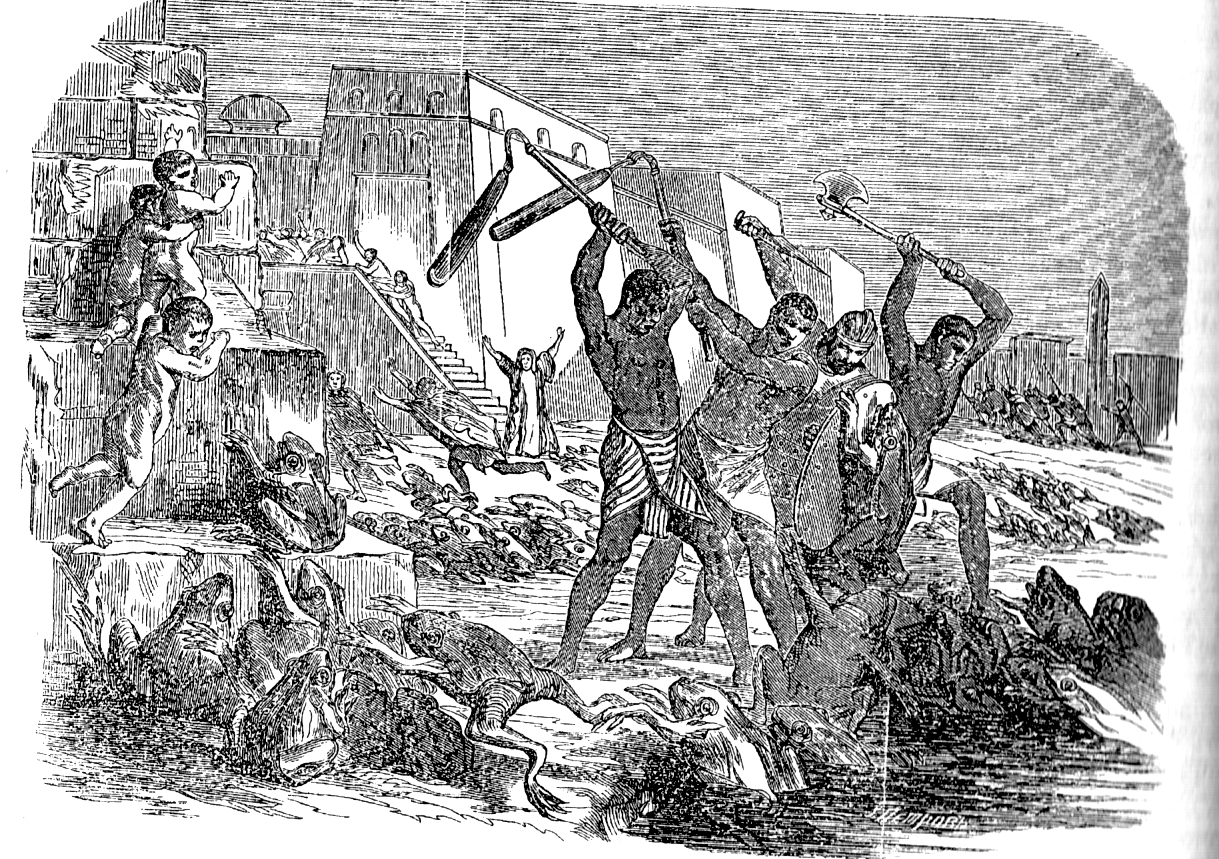
The frog is the emblem of Apollo , who was known in Ancient Greece as a "healer and god-protector from evil." Apollo is the son of Zeus and Leto , and has a twin sister, the chaste huntress Artemis .
Read inquiry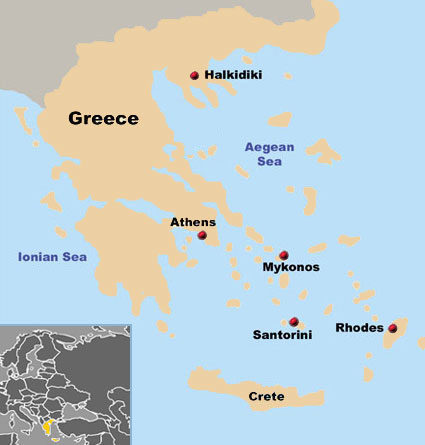
(This is Part III, in a follow-up to my last two articles titled, Who are the Amorites?
Read inquiry
The name America is derived from the Ancient Akkadian Amurrūm, Egyptian Amar, Hebrew אמורי ʼĔmōrī, and the Ancient Greek Αμορίτες.
Read inquiry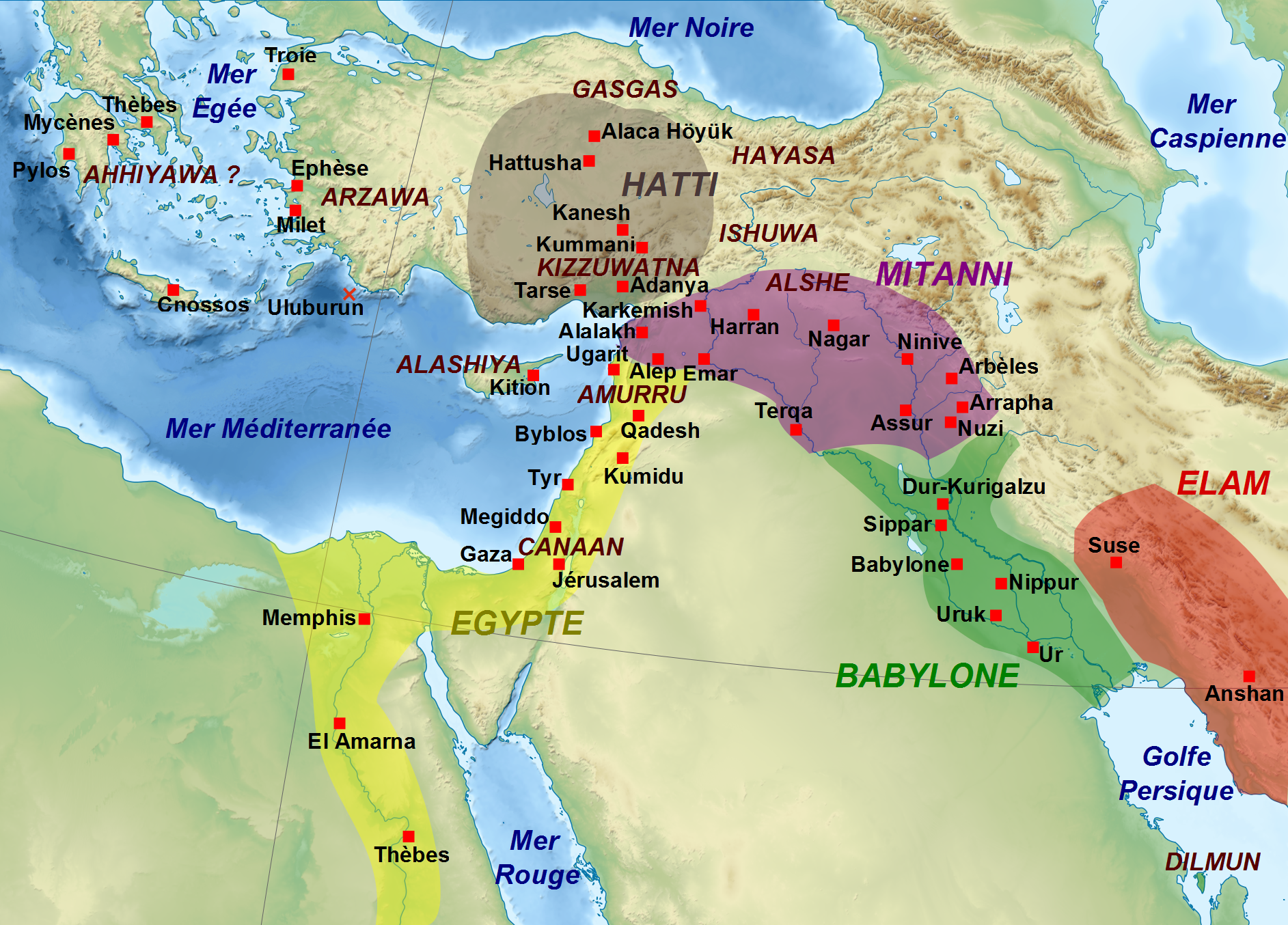
The Amorites (Sumerian MAR.TU, Akkadian Tidnum or Amurrūm, Egyptian Amar, Hebrew אמורי ʼĔmōrī, Ancient Greek Αμορίτες) were a tribe who could be found in literature, residing in such places as the Land of Canaan, land of Amurru and the Land of the Amorites.
Read inquiry
The people known today in the bible as the Canaanites and in history as the Phoenicians or Greek Hellenes, were said to have come from the Land Of Canaan.
Read inquiry
The Umbri had settled in the ancient Italic Peninsula in the Tuscany area, approximately 1,500-500 years before the building of Rome.
Read inquiry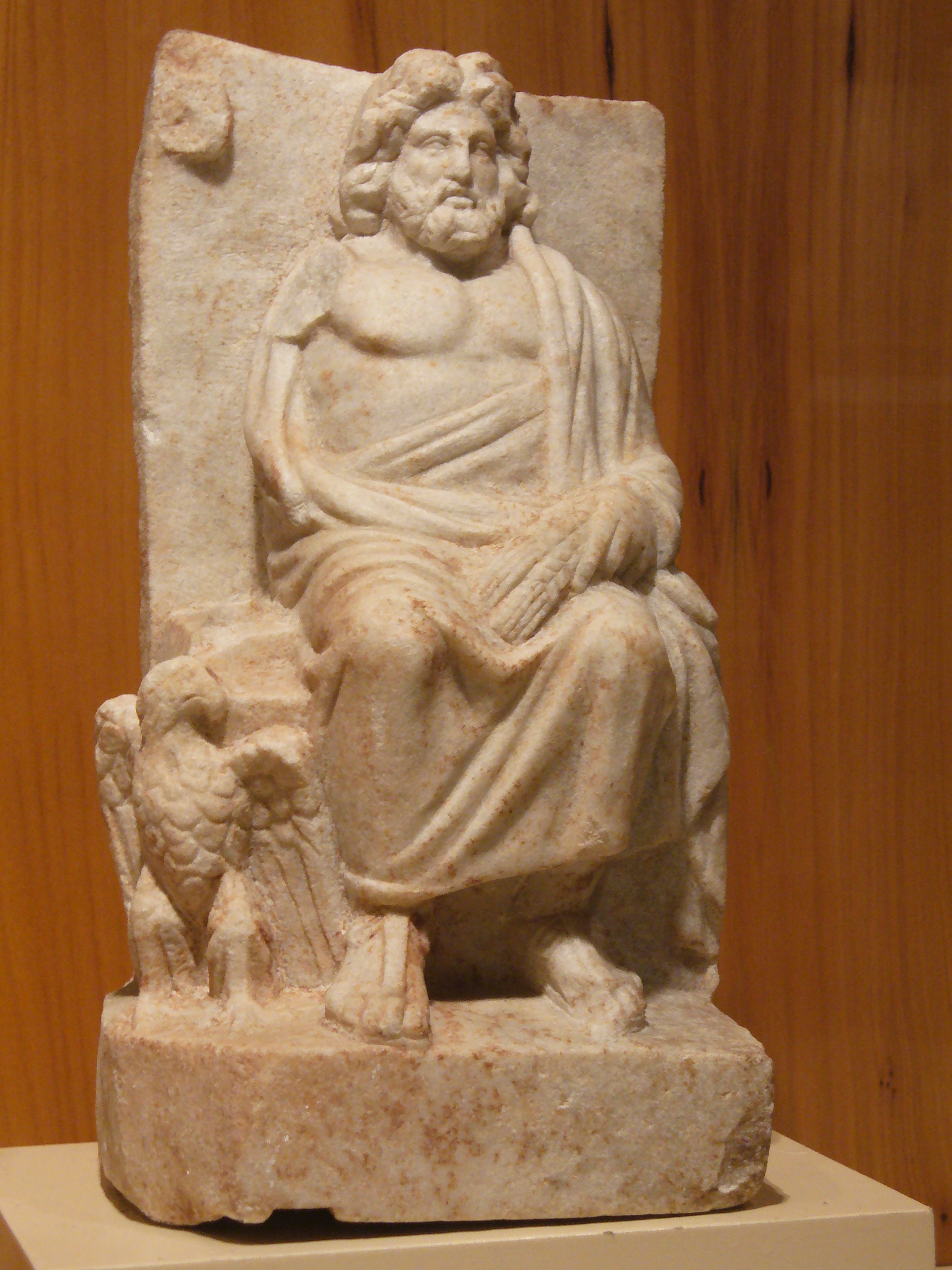
If you have been reading my blog for any length of time, you will notice that I talk about the planet Jupiter, A LOT.
Read inquiry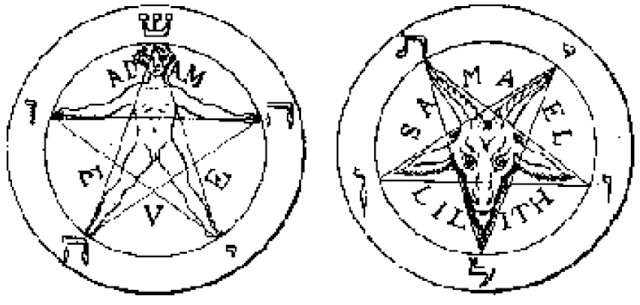
We have reached a period in the history of the world when ignorance is criminal and deserves the heaviest penalty.
Read inquiry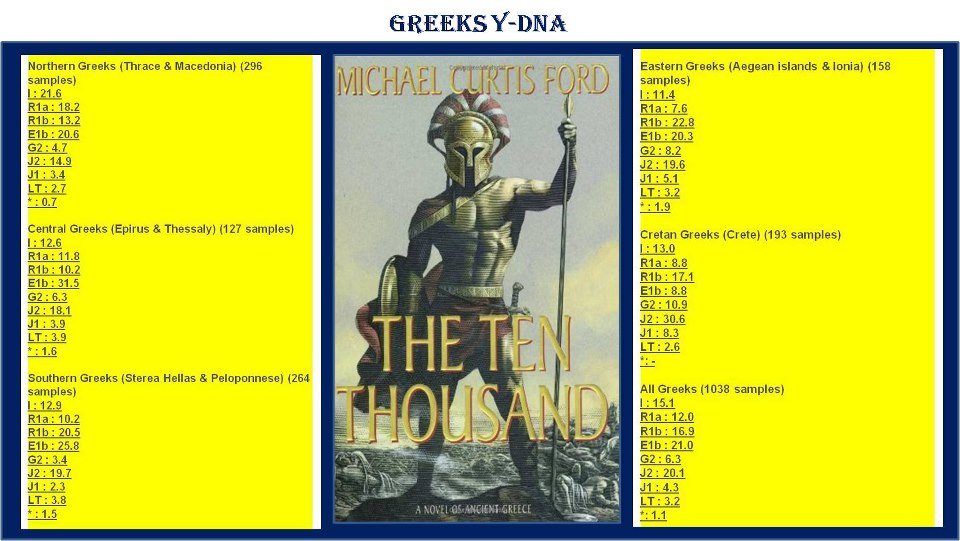
The reason I write about DNA often, is because understanding our DNA is a very important aspect of being a Gnostic.
Read inquiry
My research into the Ancient Greeks , has led me to the conclusion that they are the close cousins of the Ethiopians .
Read inquiry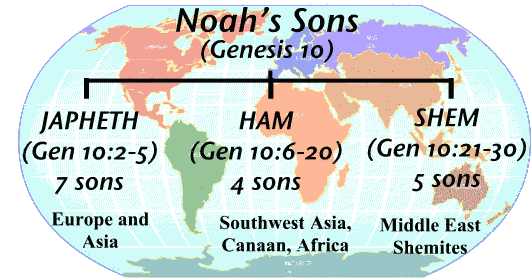
Japheth is the eldest of the three sons, who are listed in the order " Shem , Ham , and Japheth" in Genesis 5:32 and 9:18.
Read inquiry
The true identity of the most famous wizards of all time, Merlin has been speculated upon for many centuries.
Read inquiry
The name Nephilim is simply not an ancient word, but more a word of modern invention.
Read inquiry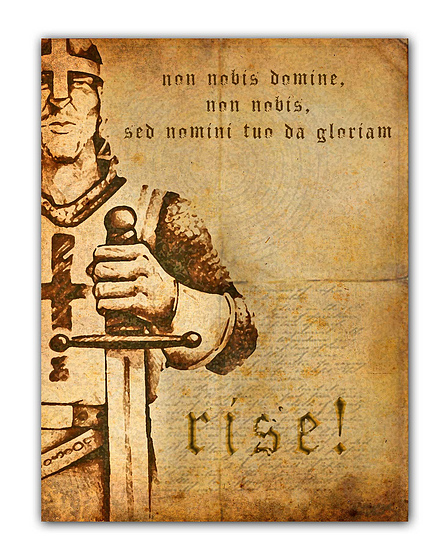
Non nobis is a short Latin hymn used as a prayer of thanksgiving and expression of humility.
Read inquiry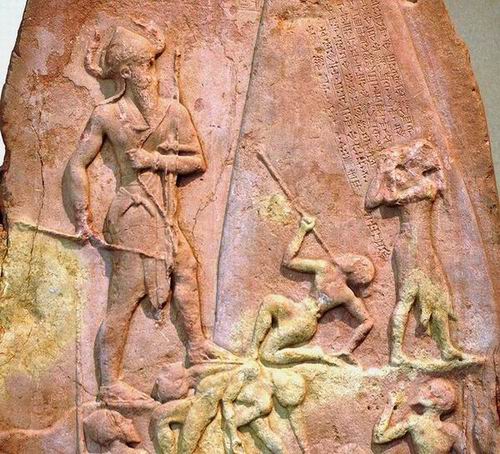
Here is an image of the Viking Norse God, Odin with his horned helmet and his upturned toed shoes.
Read inquiry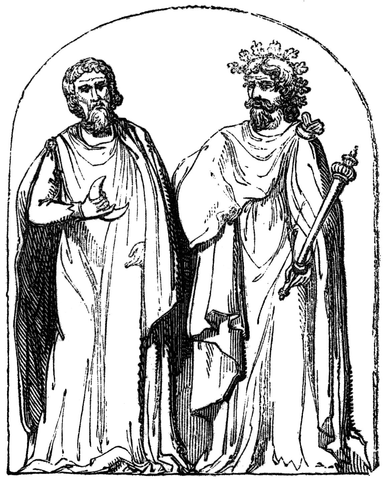
In my last article on the Bedouins , I had detailed the Bedais of Ptolemy, King Baldwin, and a Knights Templar connection with the mysterious roaming desert Arab tribe known as the Bedouins (Baudouin, Beduin , Bedawin, bed’oo-in, written also Bed- awee, Bedawi, and Ahl Bedoo).
Read inquiry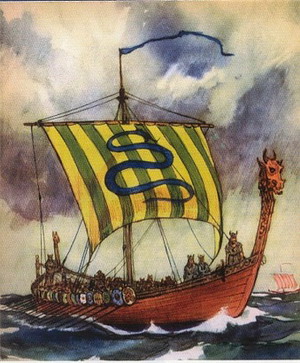
Amongst the ancient Greek legendary stories of certain families and genealogies, it appears, that none equal the splendor of a particular family that had originated in Thebes.
Read inquiry
The mythical Wodan, or more commonly known today as Odin; is said to be in legend the first "unofficial" founder king of Danmark ( Denmark ) who had reigned before Christ (B.C.) 1040, which was the 8th year of the reign of David, King of Israel .
Read inquiry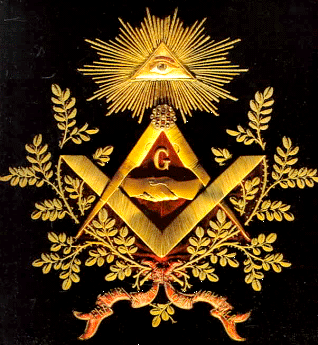
The Blazing Star has been regarded as an emblem of Omniscience, or the All Seeing Eye, which to the Ancients was the Sun." - Albert Pike, Morals and Dogma .
Read inquiry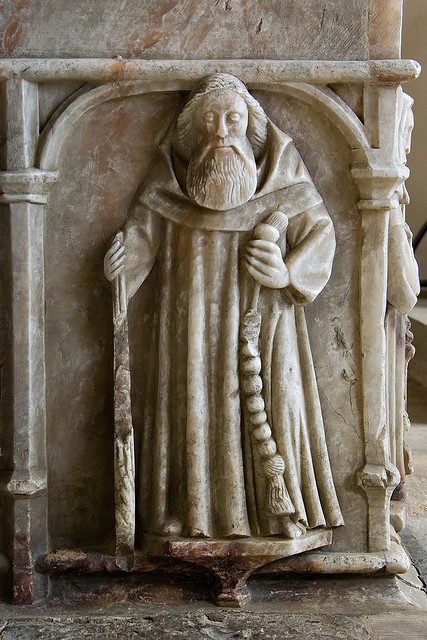
Not that many people and even Templar historians are aware of the fact that there was a secret fraternity under the Temple of Solomon who wore the cross patte on their chests long before the Knight's Templar had become militarized in the 11th century.
Read inquiry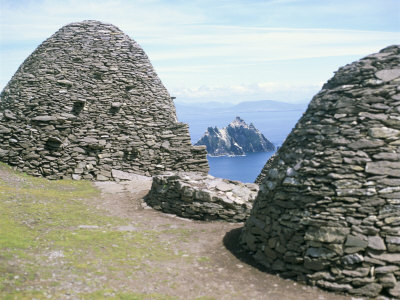
The Culdees, sometimes Kyllidei, Colidei, and Kelidei were at one time Druid Bards before they had become Christian.
Read inquiry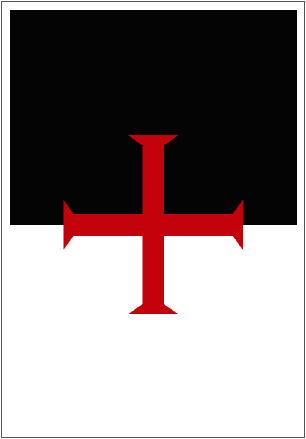
It is said that the beautiful country of Scotland had derived its name from an Egyptian Pharaoh Queen named Scota .
Read inquiry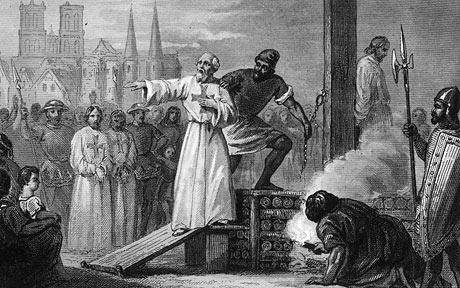
Moe Bedard Quote: What the Catholic Church has done with Johannes Scotus Eriugena , they have done to countless Brothers many times in the past.
Read inquiry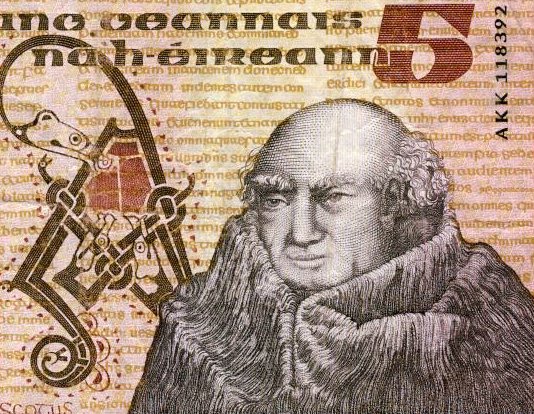
Johannes Scotus Eriugena was among the first to propose that God became the Universe, and did so to learn something about itself.
Read inquiry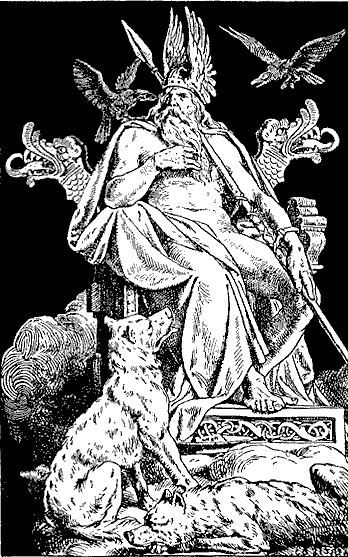
In researching biblical history, you will find that it is often difficult to locate Tribes or peoples described in the various bible passages.
Read inquiry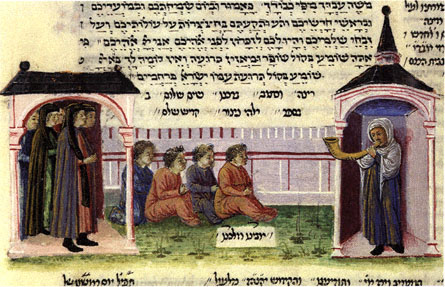
(NOTE: This article will be Part 1 in a series of articles on Gerbert of Aurillac and the Origins of Baphomet) - The terrible Baphomet is, in fact, like all monstrous enigmas of ancient science, nothing more than an innocent and even pious hieroglyph.- Eliphas Lévi The mysterious true origins of Baphomet has eluded historians for centuries.
Read inquiry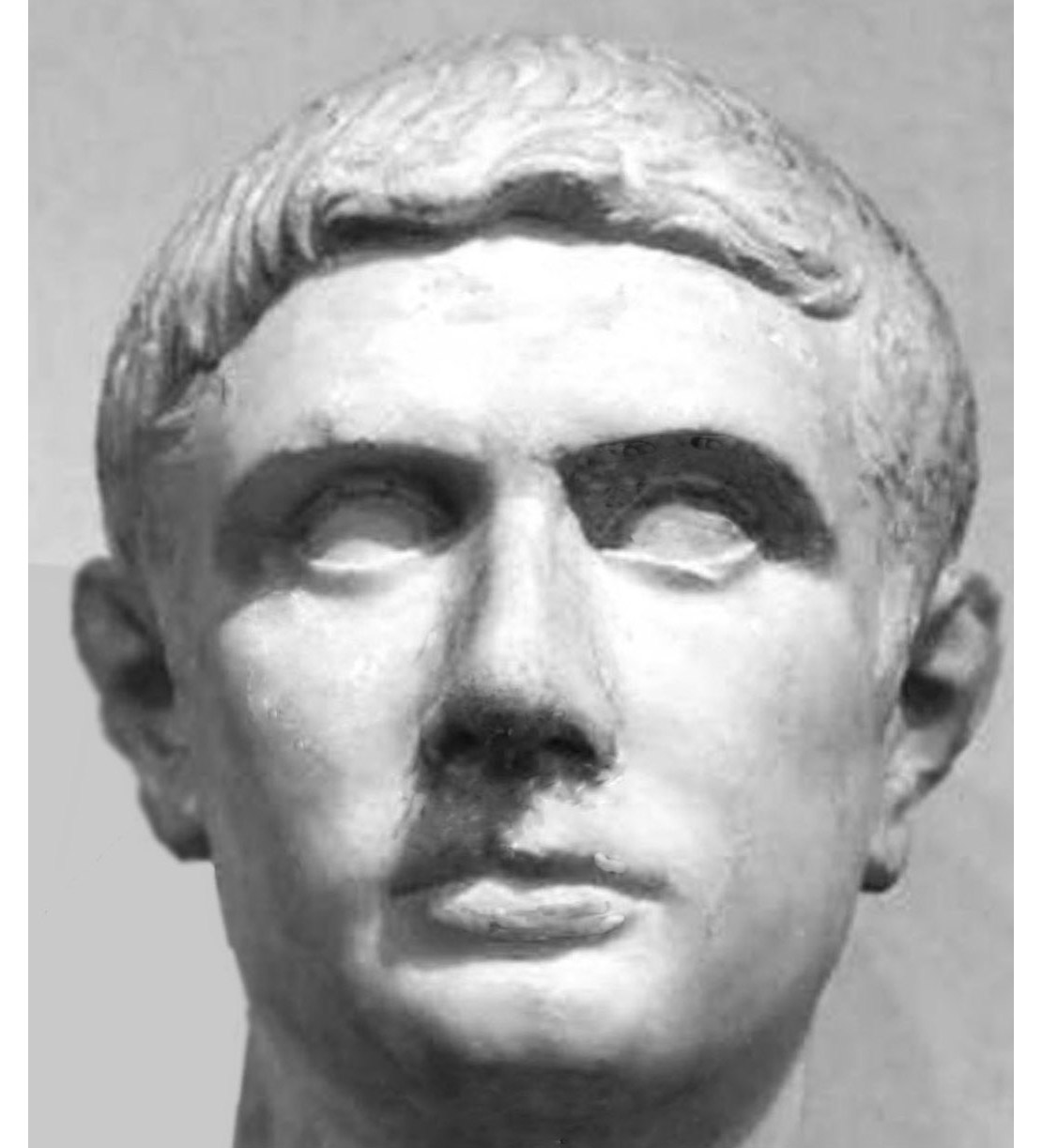
Not many people are aware that many of our current countries, kingdoms or state's names are not the actual original names of when these lands were founded.
Read inquiryThe English version of the "Ecclesiastical History" in the following pages is a revision of the translation of Dr.
Read inquiryFew lives afford less material for the biographer than Bede’s; few seem to possess a more irresistible fascination.
Read inquiryBritain, an island in the Atlantic, formerly called Albion, lies to the north-west, facing, though at a considerable distance, the coasts of Germany, France, and Spain, which form the greatest part of Europe.
Read inquiryNow Britain had never been visited by the Romans, and was entirely unknown to them before the time of Caius Julius Caesar, who, in the year 693 after the foundation of Rome, but the sixtieth year before the Incarnation of our Lord, was consul with Lucius Bibulus.
Read inquiryIn the year of Rome 798, Claudius, fourth emperor from Augustus, being desirous to approve himself a prince beneficial to the republic, and eagerly bent upon war and conquest on every side, undertook an expedition into Britain, which as it appeared, was roused to rebellion by the refusal of the Romans to give up certain deserters.
Read inquiryIn the year of our Lord 156, Marcus Antoninus Verus, the fourteenth from Augustus, was made emperor, together with his brother, Aurelius Commodus.
Read inquiryIn the year of our Lord 189, Severus, an African, born at Leptis, in the province of Tripolis, became emperor.
Read inquiryIn the year of our Lord 286, Diocletian, the thirty-third from Augustus, and chosen emperor by the army, reigned twenty years, and created Maximian, surnamed Herculius, his colleague in the empire.
Read inquiryWhen the storm of persecution ceased, the faithful Christians, who, during the time of danger, had hidden themselves in woods and deserts and secret caves, came forth and rebuilt the churches which had been levelled to the ground; founded, erected, and finished the cathedrals raised in honour of the holy martyrs, and, as if displaying their conquering standards in all places, celebrated festivals and performed their
Read inquiryIn the year of our Lord 377, Gratian, the fortieth from Augustus, held the empire for six years after the death of Valens; though he had long before reigned with his uncle Valens, and his brother Valentinian.
Read inquiryIn the year of our Lord 394, Arcadius, the son of Theodosius, the forty-third from Augustus, succeeding to the empire, with his brother Honorius, held it thirteen years.
Read inquiryIN the year of our Lord 407, Honorius, the younger son of Theodosius, and the forty-fourth from Augustus, being emperor, two years before the invasion of Rome by Alaric, king of the Goths, when the nations of the Alani, Suevi, Vandals, and many others with them, having defeated the Franks and passed the Rhine, ravaged all Gaul, Gratianus, a citizen of the country, was set up as tyrant in Britain and killed.
Read inquiryFROM that time, the British part of Britain, destitute of armed soldiers, of all military stores, and of the whole flower of its active youth, who had been led away by the rashness of the tyrants never to return, was wholly exposed to rapine, the people being altogether ignorant of the use of weapons.
Read inquiryIn the year of our Lord 423, Theodosius, the younger, the forty-fifth from Augustus, succeeded Honorius and governed the Roman empire twenty-six years.
Read inquiryIN the meantime, the aforesaid famine distressing the Britons more and more, and leaving to posterity a lasting memory of its mischievous effects, obliged many of them to submit themselves to the depredators; though others still held out, putting their trust in God, when human help failed.
Read inquiryIn the year of our Lord 449, Marcian, the forty-sixth from Augustus, being made emperor with Valentinian, ruled the empire seven years.
Read inquiryWhen the army of the enemy, having destroyed and dispersed the natives, had returned home to their own settlements, the Britons began by degrees to take heart, and gather strength, sallying out of the lurking places where they had concealed themselves, and with one accord imploring the Divine help, that they might not utterly be destroyed.
Read inquiryAfter this, a certain man, who held the office of tribune, came forward with his wife, and brought his blind daughter, a child of ten years of age, to be healed of the bishops.
Read inquiryAS they were returning thence, the treacherous enemy, having, as it chanced, prepared a snare, caused Germanus to bruise his foot by a fall, not knowing that, as it was with the blessed Job, his merits would be but increased by bodily affliction.
Read inquiryIN the meantime, the Saxons and Picts, with their united forces, made war upon the Britons, who in these straits were compelled to take up arms.
Read inquiryIN the meantime, in Britain, there was some respite from foreign, but not from civil war.
Read inquiryIN the year of our Lord 582, Maurice, the fifty-fourth from Augustus, ascended the throne, and reigned twenty one years.
Read inquiryTHE same venerable pope also sent at the same time a letter to Aetherius, archbishop of Arles,’ exhorting him to give favourable entertainment to Augustine on his way to Britain; which letter was in these words: ‘To his most reverend and holy brother and fellow bishop Aetherius, Gregory, the servant of the servants of God.
Read inquiryAS soon as they entered the dwelling-place assigned to them, they began to imitate the Apostolic manner of life in the primitive Church; applying themselves to constant prayer, watchings, and fastings; preaching the Word of life to as many as they could; despising all worldly things, as in nowise concerning them; receiving only their necessary food from those they taught; living themselves in all respects conformably
Read inquiryIN the meantime, Augustine, the man of God, went to Aries, and, according to the orders received from the holy Father Gregory, was ordained archbishop of the English nation, (Note: Augustine was not consecrated as archbishop either of London or Canterbury, but by the general title of "Archbishop of the English." According to Gregory’s original scheme, London, not Canterbury, was to have been the seat of the primacy o
Read inquiryThus far the answers of the holy Pope Gregory, to the questions of the most reverend prelate, Augustine.
Read inquiryMoreover, the same Pope Gregory, hearing from Bishop Augustine, that the harvest which he had was great and the labourers but few, sent to him, together with his aforesaid envoys, certain fellow labourers and ministers of the Word, of whom the chief and foremost were Mellitus, Justus, Paulinus, and Rufinianus, and by them all things in general that were necessary for the worship and service of the Church, to wit, sac
Read inquiryThe aforesaid envoys having departed, the blessed Father Gregory sent after them a letter worthy to be recorded, wherein he plainly shows how carefully he watched over the salvation of our country.
Read inquiryAt which time he also sent Augustine a letter concerning the miracles that he had heard had been wrought by him; wherein he admonishes him not to incur the danger of being puffed up by the number of them.
Read inquiryThe same blessed Pope Gregory, at the same time, sent a letter to King Ethelbert, with many gifts of divers sorts; being desirous to glorify the king with temporal honours, at the same.
Read inquiryAugustine having had his episcopal see granted him in the royal city, as has been said, recovered therein, with the support of the king, a church, which he was informed had been built of old by the faithful among the Romans, and consecrated it in the name of the Holy Saviour, our Divine Lord Jesus Christ, and there established a residence for himself and all his successors.’ He also built a monastery not far from the
Read inquiryAt this time, the brave and ambitious king, Ethelfrid, governed the kingdom of the Northumbrians, and ravaged the Britons more than all the chiefs of the English, insomuch that he might be compared to Saul of old, king of the Israelites, save only in this, that he was ignorant of Divine religion.
Read inquirySome few years before their arrival, the Pelagian heresy, brought over by Agricola, the son of Severianus, a Pelagian bishop, had corrupted with its foul taint the faith of the Britons.
Read inquiryNOT long after, news was brought from the same island, that certain persons were again attempting to teach and spread abroad the Pelagian heresy, and again the holy Germanus was entreated by all the priests, that he would defend the cause of God, which he had before maintained.
Read inquiryAugustine, thus strengthened by the encouragement of the blessed Father Gregory, returned to the work of the Word of God, with the servants of Christ who were with him, and arrived in Britain.
Read inquiryAT this time, that is, in the year of our Lord 605, the blessed Pope Gregory, after having most gloriously governed the Roman Apostolic see thirteen years, six months, and ten days, died, and was translated to an eternal abode in the kingdom of Heaven.
Read inquiryIN the meantime, Augustine, with the help of King Ethelbert, drew together to a conference the bishops and doctors of the nearest province of the Britons, at a place which is to this day called, in the English language, Augustine's Ac, that is, Augustine's Oak, on the borders of the Hwiccas and West Saxons; and began by brotherly admonitions to persuade them to preserve Catholic peace with him, and undertake the comm
Read inquiryLAURENTIUS succeeded Augustine in the bishopric, having been ordained thereto by the latter, in his lifetime, lest, upon his death, the Church, as yet in so unsettled a state, might begin to falter, if it should be destitute of a pastor, though but for one hour.
Read inquiryIN the year of our Lord 616, which is the twenty-first year after Augustine and his company were sent to preach to the English nation, Ethelbert, king of Kent, having most gloriously governed his temporal kingdom fifty-six years, entered into the eternal joys of the kingdom of Heaven.
Read inquiryLAURENTIUS, being about to follow Mellitus and Justus, and to quit Britain, ordered his bed to be laid that night in the church of the blessed Apostles, Peter and Paul, which has been often mentioned before; wherein having laid himself to rest, after he had with tears poured forth many prayers to God for the state of the Church, he fell asleep; in the dead of night, the blessed chief of the Apostles appeared to him,
Read inquiryIN this king's reign, the blessed Archbishop Laurentius was taken up to the heavenly kingdom: he was buried in the church and monastery of the holy Apostle Peter, close by his predecessor Augustine, on the 2nd day of the month of February.
Read inquiryJUSTUS, bishop of the church of Rochester, immediately succeeded Mellitus in the archbishopric.
Read inquiryAT this time the nation of the Northumbrians, that is, the English tribe dwelling on the north side of the river Humber, with their king, Edwin, received the Word of faith through the preaching of Paulinus, of whom we have before spoken.
Read inquiryAT this time he received a letter from Pope Boniface exhorting him to embrace the faith, which was as follows: COPY OF THE LETTER OF THE MOST BLESSED AND APOSTOLIC POPE OF THE CHURCH OF THE CITY OF ROME, BONIFACE, ADDRESSED TO THE ILLUSTRIOUS EDWIN, KING OF THE ENGLISH.
Read inquiryTHE same pope also wrote to King Edwin's consort, Ethelberg, to this effect: THE COPY OF THE LETTER OF THE MOST BLESSED AND APOSTOLIC BONIFACE, POPE OF THE CITY OF ROME, TO ETHELBERG, KING EDWIN'S QUEEN.
Read inquiryTHUS wrote the aforesaid Pope Boniface for the salvation of King Edwin and his nation.
Read inquiryTHE king, hearing these words, answered, that he was both willing and bound to receive the faith which Paulinus taught; but that he would confer about it with his chief friends and counsellors, to the end that if they also were of his opinion, they might all together be consecrated to Christ in the font of life.
Read inquiryKING EDWIN, therefore, with all the nobility of the nation, and a large number of the common sort, received the faith, and the washing of holy regeneration, in the eleventh year of his reign, which is the year of our Lord 627, and about one hundred and eighty after the coming of the English into Britain.
Read inquiryEDWIN was so zealous for the true worship, that he likewise persuaded Earpwald, king of the East Angles, and son of Redwald, to abandonhis idolatrous superstitions, and with his whole province to receive the faith and mysteries of Christ.
Read inquiryPAULINUS also preached the Word to the province of Lindsey, which is the first on the south side of the river H umber, stretching as far as the sea; and he first converted to the Lord the reeve of the city of Lincoln, whose name was Blaecca, with his whole house.
Read inquiryWhen he learned that the nation of the Northumbrians, with their king, had been, by the preaching of Paulinus, converted to the faith and confession of Christ, he sent the pall to the said Paulinus, and with it letters of exhortation to King Edwin, with fatherly love inflaming his zeal, to the end that he and his people should persist in belief of the truth which they had received.
Read inquiryIN the meantime, Archbishop Justus was taken up to the heavenly kingdom, on the 10th of November, and Honorius, who was elected to the see in his stead, came to Paulinus to be ordained, and meeting him at Lincoln was there consecrated the fifth prelate of the Church of Canterbury from Augustine.
Read inquiryTHE same Pope Honorius also wrote to the Scots, whom he had found to err in the observance of the holy Festival of Easter, as has been shown above, with subtlety of argument exhorting them not to think themselves, few as they were, and placed in the utmost borders of the earth, wiser than all the ancient and modern Churches of Christ, throughout the world; and not to celebrate a different Easter, contrary to the Pasc
Read inquiryEDWIN reigned most gloriously seventeen years over the nations of the English and the Britons, six whereof, as has been said, he also was a soldier in the kingdom of Christ.
Read inquiryEDWIN being slain in battle, the kingdom of the Deiri, to which province his family belonged, and where he first began to reign, passed to Osric, the son of his uncle Aelfric, who, through the preaching of Paulinus, had also received the mysteries of the faith.
Read inquiryTHE place is shown to this day, and held in much veneration, where Oswald, being about to engage in this battle, erected the symbol of the Holy Cross, and knelt down and prayed to God that he would send help from Heaven to his worshippers in their sore need.
Read inquiryIN the year of our Lord 565, when Justin, the younger, the successor of Justinian, obtained the government of the Roman empire, there came into Britain from Ireland a famous priest and abbot, marked as a monk by habit and manner of life, whose name was Columba,to preach the word of God to the provinces of the northern Picts, who are separated from the southern parts belonging to that nation by steep and rugged mounta
Read inquiryFROM this island, then, and the fraternity of these monks, Aidan was sent to instruct the English nation in Christ, having received the dignity of a bishop.
Read inquiryKING OSWALD, with the English nation which he governed, being instructed by the teaching of this bishop, not only learned to hope for a heavenly kingdom unknown to his fathers, but also obtained of the one God, Who made heaven and earth, a greater earthly kingdom than any of his ancestors.
Read inquiryIN the year of our Lord 640, Eadbald,king of Kent, departed this life, and left his kingdom to his son Earconbert, who governed it most nobly twenty-four years and some months.
Read inquiryOSWALD, the most Christian king of the Northumbrians, reigned nine years, including that year which was held accursed for the barbarous cruelty of the king of the Britons and the reckless apostacy of the English kings; for, as was said above,it is agreed by the unanimous consent of all, that the names and memory of the apostates should be erased from the catalogue of the Christian kings, and no year assigned to their
Read inquiryABOUT the same time, another traveller, a Briton, as is reported, happened to pass by the same place, where the aforesaid battle was fought.
Read inquiryAMONG the rest, I think we ought not to pass over in silence the miracles and signs from Heaven that were shown when King Oswald’s bones were found, and translated into the church where they are now preserved.
Read inquirySOME time after, there was a certain little boy in the said monastery, who had been long grievously troubled with a fever; he was one day anxiously expecting the hour when his fit was to come on, when one of the brothers, coming in to him, said, "Shall I tell you, my son, how you may be cured of this sickness?
Read inquiryNOR was the fame of the renowned Oswald confined to Britain, but, spreading rays of healing light even beyond the sea, reached also to Germany and Ireland.
Read inquiryOSWALD being translated to the heavenly kingdom, his brother Oswy,a young man of about thirty years of age, succeeded him on the throne of his earthly kingdom, and held it twenty-eight years with much trouble, being attacked by the pagan nation of the Mercians, that had slain his brother, as also by his son Alchfrid,and by his nephew Oidilwald,the son of his brother who reigned before him.
Read inquiryHow great the merits of Aidan were, was made manifest by the Judge of the heart, with the testimony of miracles, whereof it will suffice to mention three, that they may not be forgotten.
Read inquiryANOTHER notable miracle of the same father is related by many such as were likely to have knowledge thereof; for during the time that he was bishop, the hostile army of the Mercians, under the command of Penda, cruelly ravaged the country of the Northumbrians far and near, even to the royal city, which has its name from Bebba, formerly its queen.
Read inquiryAIDAN was in the king’s township, not far from the city of which we have spoken above, at the time when death caused him to quit the body, after he had been bishop sixteen years; for having a church and a chamber in that place, he was wont often to go and stay there, and to make excursions from it to preach in the country round about, which he likewise did at other of the king’s townships, having nothing of his own b
Read inquiryAT this time, the kingdom of the East Angles, after the death of Earpwald, the successor of Redwald, was governed by his brother Sigbert, a good and religious man, who some time before had been baptized in Gaul, whilst he lived in banishment, a fugitive from the enmity of Redwald.
Read inquiryWHILST Sigbert still governed the kingdom, there came out of Ireland a holy man called Fursa, renowned both for his words and actions, and remarkable for singular virtues, being desirous to live as a stranger and pilgrim for the Lord’s sake, wherever an opportunity should offer.
Read inquiryIN the meantime, Felix, bishop of the East Angles, dying, when he had held that see seventeen years, Honorius ordained Thomas his deacon, of the province of the Gyrwas,in his place; and he being taken from this life when he had been bishop five years, Bertgils, surnamed Boniface,of the province of Kent, was appointed in his stead.
Read inquiryAT this time, the Middle Angles, that is, the Angles of the Midland country (probably Leicestershire) under their Prince Peada, the son of King Penda, received the faith and mysteries of the truth.
Read inquiryAT that time, also, the East Saxons, at the instance of King Oswy, again received the faith, which they had formerly cast off when they expelled Mellitus, their bishop.For Sigbert,who reigned next to Sigbert surnamed The Little, was then king of that nation, and a friend to King Oswy, who, when Sigbert came to the province of the Northumbrians to visit him, as he often did, used to endeavour to convince him that thos
Read inquiryTHE same man of God, whilst he was bishop among the East Saxons, was also wont oftentimes to visit his own province, Northumbria, for the purpose of exhortation.
Read inquiryAT this time, King Oswy was exposed to the cruel and intolerable invasions of Penda, king of the Mercians, whom we have so often mentioned, and who had slain his brother; at length, compelled by his necessity, he promised to give him countless gifts and royal marks of honour greater than can be believed, to purchase peace; provided that he would return home, and cease to waste and utterly destroy the provinces of his
Read inquiryIN the meantime, Bishop Aidan being taken away from this life, Finan, who was ordained and sent by the Scots, succeeded him in the bishopric, and built a church in the Isle of Lindisfarne, fit for the episcopal see; nevertheless, after the manner of the Scots, he made it, not of stone, but entirely of hewn oak, and covered it with reeds; and it was afterwards dedicated in honour of the blessed Peter the Apostle, by t
Read inquiryTHE disputation being ended, and the assembly broken up, Agilbert returned home.
Read inquiryIN the meantime, King Alchfrid sent the priest, Wilfrid, to the king of Gaul, in order that he should cause him to be consecrated bishop for himself and his people.
Read inquiryAT this time the most noble kings of the English, Oswy, of the province of the Northumbrians, and Egbert of Kent, consulted together to determine what ought to be done about the state of the English Church, for Oswy, though educated by the Scots, had rightly perceived that the Roman was the Catholic and Apostolic Church.
Read inquiryAT the same time, the Kings Sighere and Sebbi, though themselves subject to Wulfhere, king of the Mercians, governed the province of the East Saxons after Suidhelm, of whom we have spoken above.When that province was suffering from the aforesaid disastrous plague, Sighere, with his part of the people, forsook the mysteries of the Christian faith, and turned apostate.
Read inquiryIN the year of our Lord 604, Augustine, Archbishop of Britain, ordained two bishops, to wit, Mellitus and Justus; Mellitus to preach to the province of the East Saxons, who are divided from Kent by the river Thames, and border on the Eastern sea.
Read inquiryTHE same Oswald, as soon as he ascended the throne, being desirous that all the nation under his rule should be endued with the grace of the Christian faith, whereof he had found happy experience in vanquishing the barbarians, sent to the elders of the Scots, among whom himself and his followers, when in banishment, had received the sacrament of Baptism, desiring that they would send him a bishop, by whose instructio
Read inquiryAT that time, the West Saxons, formerly called Gewissae,in the reign of Cynegils,received the faith of Christ, through the preaching of Bishop Birinus,who came into Britain by the counsel of Pope Honorius ; having promised in his presence that he would sow the seed of the holy faith in the farthest inland regions of the English, where no other teacher hadbeen before him.
Read inquiryIN the same year of our Lord 664, there happened an eclipse of the sun, on the third day of May,about the tenth hour of the day.
Read inquiryTHEODORE came to his Church in the second year after his consecration, on Sunday, the 27th of May, and spent in it twenty-one years, three months, and twenty-six days.
Read inquiryAT that time, the province of the Mercians was governed by King Wulf here, who, on the death of Jaruman, desired of Theodore that a bishop should be given to him and his people; but Theodore would not ordain a new one for them, but requested of King Oswy that Ceadda might be their bishop.
Read inquiryIN the meantime, Colman, the Scottish bishop, departing from Britain,took along with him all the Scots whom he had gathered about him in the isle of Lindisfame, and also about thirty of the English nation, for both these companies had been trained in duties of the monastic life; and leaving some brothers in his church, he went first to the isle of Hii, whence he had been sent to preach the Word of God to the English
Read inquiryIN the year of our Lord 670, being the second year after Theodore arrived in England, Oswy, king of the Northumbrians, fell sick, and died, in the fifty-eighth year of his age.He at that time bore so great affection to the Roman Apostolic usages, that he had designed, if he recovered from his sickness, to go to Rome, and there to end his days at the holy places, having asked Bishop Wilfrid, with a promise of no small
Read inquiryNOT long after these events, Theodore, the archbishop, taking offence at some act of disobedience of Wynfrid, bishop of the Mercians,deposed him from his bishopric when he had held it but a few years, and in his, place ordained Sexwulf bishop,who was founder and abbot of the monastery which is called Medeshamstead,’ in the country of the Gyrwas.Wynfrid, thus deposed, returned to his monastery which is called Ad Barva
Read inquiryIN this monastery many miracles were wrought, accounts of which have been committed to writing by those who were acquainted with them, that their memory might be preserved, and succeeding generations edified, and these are in the possession of many persons; some of them we also have taken pains to include in our History of the Church.
Read inquiryTHERE was, in the same monastery, a boy, not above three years old, called Aesica; who, by reason of his tender age, was being brought up among the virgins dedicated to God; there to learn his lessons.
Read inquiryNow when Ethelburg herself, the pious mother of that community devoted to God, was about to be taken out of this world, a wonderful vision appeared to one of the sisters, called Tortgyth; who, having lived many years in that monastery, always endeavoured, in all humility and sincerity, to serve God herself, and to help the mother to maintain regular discipline, by instructing and reproving the younger ones.
Read inquiryHILDILID , a devout handmaid of God, succeeded Ethelburg in the office of abbess and presided over that monastery with great vigour many years, till she was of an extreme old age,in the observance of regular discipline, and carefully providing all things for the common use.
Read inquiryAT that time, as the same little book informs us, Sebbi , a very devout man, of whom mention has been made above, governed the kingdom of the East Saxons.
Read inquiryLEUTHERIUS was the fourth bishop of the West Saxons; for Birinus was the first, Agilbert the second, and Wini the third.
Read inquiryBUT Wilfrid was expelled from his bishopric, and having long travelled in many lands, went to Rome, and afterwards returned to Britain.
Read inquiryIN this monastery, at that time, certain special manifestations of the heavenly grace are said to have been shown forth; in as much as the tyranny of the Devil had been recently cast out and Christ had begun to reign there.
Read inquiryIN the meantime, Caedwalla,a young man of great vigour, of the royal race of the Gewissae,an exile from his country, came with an army, slew Ethelwalch, and wasted that province with cruel slaughter and devastation; but he was soon expelled by Berthun and Andhun, the king’s ealdormen, who held in succession the government of the province.
Read inquiryABOUT this time, Theodore being informed that the faith of the Church at Constantinople was much perplexed by the heresy of Eutyches, and desiring that the Churches of the English, over which he presided, should remain free from all such taint, convened an assembly of venerable bishops and many learned men, and diligently inquired into the faith of each.
Read inquiryAMONG those who were present at this synod, and confirmed the decrees of the Catholic faith, was the venerable John, archchanter of the church of the holy Apostle Peter,and abbot of the monastery of the blessed Martin, who had come lately from Rome, by order of Pope Agatho, together with the most reverend Abbot Biscop, surnamed Benedict,of whom mention has been made above.
Read inquiryIT seems fitting to insert in this history a hymn concerning virginity, which we composed in elegiac verse many years ago, in praise and honour of the same queen and bride of Christ, and therefore truly a queen, because the bride of Christ; and to imitate the method of Holy Scripture, wherein many songs are inserted in the history, and these, as is well known, are composed in metre and verse.
Read inquiryIN the ninth year of the reign of King Egfrid, a great battlewas fought between him and Ethelred, king of the Mercians, near the river Trent, and Aelfwine, brother to King Egfrid, was slain, a youth about eighteen years of age, and much beloved by both rovinces; for King Ethelred had married his sister Osthryth.There was now reason to expect a more bloody war, and more lasting enmity between those kings and their fie
Read inquiryIN the aforesaid battle, wherein King Aelfwine was killed, a memorable incident is known to have happened, which I think ought by no means to be passed over in, silence; for the story will be profitable to the salvation of many.
Read inquiryIN the year after this, that is the year of our Lord 680, the most religious handmaid of Christ, Hilda,abbess of the monastery that is called Streanaeshalch,as we mentioned above, after having done many heavenly deeds on earth, passed thence to receive the rewards of the heavenly life, on the 17th of November, at the age of sixty-six years.
Read inquiryTHERE was in the monastery of this abbess a certain brother, marked in a special manner by the grace of God, for he was wont to make songs of piety and religion, so that whatever was expounded to him out of Scripture, he turned ere long into verse expressive of much sweetness and penitence, in English, which was his native language.
Read inquiryAT this time, the monastery of virgins, called the city of Coludi, above-mentioned, was burned down, through carelessness; and yet all that knew it might have been aware that it happened by reason of the wickedness of those who dwelt in it, and chiefly of those who seemed to be the greatest.
Read inquiryIN the year of our Lord 684, Egfrid, king of the Northumbrians, sending his general, Berct,with an army into Ireland, miserably laid waste that unoffending nation, which had always been most friendly to the English; insomuch that the invading force spared not even the churches or monasteries.
Read inquiryHAVING spent two years in his bishopric, he returned to his island and hermitage,being warned of God that the day of his death, or rather of his entrance into that life which alone can be called life, was drawing near; as he, at that time, with his wonted candour, signified to certain persons, though in words which were somewhat obscure, but which were nevertheless afterwards plainly understood; while to others he de
Read inquiryIN order to show forth the great glory of the life after death of the man of God, Cuthbert, whereas the loftiness of his life before his death had been revealed by the testimony of many miracles, when he had been buried eleven years, Divine Providence put it into the minds of the brethren to take up his bones.
Read inquiryTHERE was in that same monastery a brother whose name was Badudegn, who had for no small time ministered to the guests of the house, and is still living, having the testimony of all the brothers and strangers resorting thither, of being a man of much piety and religion, and serving the office put upon him only for the sake of the heavenly reward.
Read inquiryNOR is that cure to be passed over in silence, which was performed by his relics three years ago, and was told me lately by the brother himself, on whom it was wrought.
Read inquiry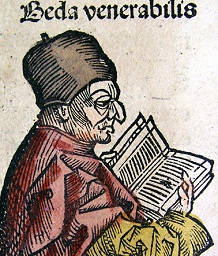
Sellar [1907] Start Reading Title Page Preface Introduction Life of Bede Book I I.
Read inquiryIN the above-mentioned year of the aforesaid eclipse and of the pestilence which followed it immediately, in which also Bishop Colman, being overcome by the united effort of the Catholics, returned home, Deusdedit, the sixth bishop of the church of Canterbury, died on the 14th of July.
Read inquiryAFTER Caedwalla had obtained possession of the kingdom of the Gewissae, he took also the Isle of Wight, which till then was entirely given over to idolatry, and by merciless slaughter endeavoured to destroy all the inhabitants thereof, and to place in their stead people from his own province; binding himself by a vow, though it is said that he was not yet regenerated in Christ, to give the fourth part of the land and
Read inquiryKING EGFRID took to wife Ethelthryth, the daughter of Anna,king of the East Angles, of whom mention has been often made; a man of true religion, and altogether noble in mind and deed.
Read inquiryIN the same year in which King Egfrid departed this life,he, as has been said, caused the holy and venerable Cuthbertto be ordained bishop of the church of Lindisfarne.
Read inquiryAFTER this, Cuthbert, as he grew in goodness and intensity of devotion, attained also to a hermit’s life of contemplation in silence and solitude, as we have mentioned.
Read inquiryIN the beginning of Aldfrid’s reign, Bishop Eata died, and was succeeded in the bishopric of the church of Hagustald by the holy man John, of whom those that knew him well are wont to tell many miracles, and more particularly Berthun, a man worthy of all reverence and of undoubted truthfulness, and once his deacon, now abbot of the monastery called Inderauuda, that is, "In the wood of the Deiri": some of which miracl
Read inquiryWhen the most reverend Wilfrid, after a long banishment, was admitted to the bishopric of the church of Hagustald, and the aforesaid John, upon the death of Bosa, a man of great sanctity and humility, was, in his place, appointed bishop of York, he himself came, once upon a time, to the monastery of nuns, at the place called Wetadun, where the Abbess Heriburg then presided.
Read inquiryTHE same abbot related another miracle, not unlike the former, of the aforesaid bishop.
Read inquiryAT another time also, being called to consecrate the church of a thegn named Addi, when he had performed the required duty, he was entreated by the thegn to go in to one of his servants, who lay dangerously ill, insomuch that having lost all use of his limbs, he seemed to be at the point of death; and moreover the coffin had been made ready wherein to bury him after his death.
Read inquiryIn the third year of the reign of Aldfrid, Caedwalla, king of the West Saxons, having most vigorously governed his nation for two years, quitted his crown for the sake of the Lord and an everlasting kingdom, and went to Rome, being desirous to obtain the peculiar honour of being cleansed in the baptismal font at the threshold of the blessed Apostles, for he had learned that in Baptism alone the entrance into the heav
Read inquiryTHE year after that in which Caedwalla died at Rome, that is, 690 after the Incarnation of our Lord, Archbishop Theodore, of blessed memory, departed this life, being old and full of days, for he was eighty-eight years of age; which number of years he had been wont long before to foretell to his friends that he should live, the same having been revealed to him in a dream.
Read inquiryAT that time the venerable servant of Christ, and priest, Egbert, who is to be named with all honour, and who, as was said before, lived as a stranger and pilgrim in Ireland to obtain hereafter a country in heaven, purposed in his mind to profit many, taking upon him the work of an apostle, and, by preaching the Gospel, to bring the Word of God to some of those nations that had not yet heard it; many of which tribes
Read inquiryWHEN the man of God, Egbert, perceived that neither he himself was permitted to go and preach to the nations, being withheld for the sake of some other advantage to the holy Church, whereof he had been forewarned by a revelation; nor that Wictbert, when he went into those parts, had availed to do anything; he nevertheless still attempted to send holy and industrious men to the work of the Word, among whom the most no
Read inquiryAT their first coming into Frisland, as soon as Wilbrord found that he had leave given him by the prince to preach there, he made haste to go to Rome, where Pope Sergius then presided over the Apostolic see, that he might undertake the desired work of preaching the Gospel to the nations, with his licence and blessing; and hoping to receive of him some relics of the blessed Apostles and martyrs of Christ; to the end,
Read inquiryAT this time a memorable miracle, and like to those of former days, was wrought in Britain; for, to the end that the living might be roused from the death of the soul, a certain man, who had been some time dead, rose again to the life of the body, and related many memorable things that he had seen; some of which I have thought fit here briefly to describe.
Read inquiryI MYSELF knew a brother, would to God I had not known him, whose name I could mention if it were of any avail, dwelling in a famous monastery, but himself living infamously.
Read inquiryThe Mount of Olives is equal in height to Mount Sion, but exceeds it in breadth and length; it bears few trees besides vines and olives, and is fruitful in wheat and barley, for the nature of that soil is not such as to yield thickets, but grass and flowers.
Read inquiryIN the year of our Lord 705, Aldfrid, king of the Northumbrians, died before the end of the twentieth year of his reign.
Read inquiryIN the fourth year of the reign of Osred, Coenred, who had for some time nobly governed the kingdom of the Mercians, much more nobly quitted the sceptre of his kingdom.
Read inquiryTHE next year after the death of the aforesaid father, which was the fifth year of King 0sred, the most reverend father, Abbot Hadrian, fellow labourer in the Word of God with Bishop Theodore of blessed memory, died, and was buried in the church of the Blessed Mother of God, in his own monastery, this being the forty-first year after he was sent by Pope Vitalian with Theodore, and the thirty-ninth after his arrival i
Read inquiryIN the year of our Lord 725, being the seventh year of Osric, king of the Northumbrians, who had succeeded Coenred, Wictred, the son of Egbert, king of Kent, died on the 23rd of April, and left his three sons, Ethelbert, Eadbert, and Alric, heirs of that kingdom, which he had governed thirty-four years and a half.
Read inquiryI HAVE thought fit briefly to sum up those things which have been related at length under their particular dates, that they may be the better kept in memory.
Read inquiryTHE venerable Ethewald succeeded the man of God, Cuthbert, in the exercise of a solitary life, which he spent in the isle of Fame before he became a bishop.
Read inquiryBUT contrarywise there was a man in the province of the Mercians, whose visions and words, but not his manner of life, were of profit to others, though not to himself.
Read inquiryAT this time a great part of the Scots in Ireland, and some also of the Britons in Britain, by the grace of God, adopted the reasonable and ecclesiastical time of keeping Easter.
Read inquiryHE wrote concerning the place of the Nativity of our Lord, after this manner: "Bethlehem, the city of David, is situated on a narrow ridge, encompassed on all sides with valleys, being a mile in length from west to east, and having a low wall without towers, built along the edge of the level summit.
Read inquiryAT that time, Naiton, King of the Picts, who inhabit the northern parts of Britain, taught by frequent meditation on the ecclesiastical writings, renounced the error whereby he and his nation had been holden till then, touching the observance of Easter, and brought himself and all his people to celebrate the catholic time of our Lord’s Resurrection.
Read inquiryNOT long after, those monks also of the Scottish nation, who lived in the isle of Hii, with the other monasteries that were subject to them, were by the Lord’s doing brought to the canonical observance with regard to Easter, and the tonsure.
Read inquiry