by Moe
“Remember, democracy never lasts long. It soon wastes, exhausts, and murders itself. There never was a democracy yet that did not commit suicide.” – John Adams
Adams came to this conclusion after he had read every ancient historian he could find, in the original Greek and Latin, before writing the constitutions of both Massachusetts and the United States.
He understood that every empire that has ever collapsed under the weight of its own mob has told the same story before it fell: the people demanded more power, more voice, more “freedom,” and in the chaos that followed, a strongman rose up to restore order.
This is not a modern anxiety invented by your favorite liberal democratic news pundits.
It is a pattern that Plato diagrammed twenty-four centuries ago, that Polybius watched play out in the streets of Greek city-states, and that the architects of the American founding studied line by line before they refused, deliberately and on purpose, to build a democracy.
Today, as political scientists at every major university document a rising tide of strongman politics on American soil, the ancient diagnosis is playing out on schedule: pure democracy does not end in freedom; it ends with a demagogue.
We all must ask a question that most modern civics classrooms have stopped asking honestly: why did the men who built the American republic go out of their way to avoid the word “democracy,” and why did the wisest minds of antiquity see unchecked popular rule not as liberty, but as the last stop before tyranny?
The answer runs from Plato’s Athens to Cicero’s Rome to Philadelphia in 1787, and it matters more now, in an age of plebiscite politics and mob-driven outrage cycles, than it has in generations.
Ancient Warnings About Pure Democracy
Plato lived through the trial and execution of his teacher, Socrates, by a democratic Athenian jury. That experience shaped everything he wrote afterward. In the Republic, Plato traces a five-stage decay of political regimes: aristocracy degenerates into timocracy, timocracy into oligarchy, oligarchy into democracy, and democracy, finally, into tyranny.
He did not consider this a hypothetical.
He considered it a law of political nature, as reliable as gravity.
Plato’s account of democracy is unsparing. He describes a society where “life has neither law nor order,” where an “unquenchable desire for limitless liberty” causes citizens to “cease to care even for the laws, written or unwritten,” until “they will have no one over them.”
The demagogue, sensing the vacuum, exploits the fear the poor majority feels toward the rich minority, promises to protect the people, and uses that trust to seize absolute power.
“Democracy,” Plato concludes, is “the worst of all lawful governments, and the best of all lawless ones.”
The regime that follows it, tyranny, he calls “the fourth and worst disorder of a state.”
Aristotle, Plato’s student, was more measured but reached a compatible verdict. He rejected pure forms of any kind, rich and poor, one and many, as inherently unstable.
His answer was politeia, a mixed constitution combining features of democracy, oligarchy, and aristocracy, governed by a moderately wealthy middle class, “so that no group of citizens is in a position to abuse its rights.”
Aristotle’s mixed regime was not a compromise for its own sake. It was an engineering solution to a problem he considered mathematically inevitable: any single class left with total power will eventually use that power against everyone else.
The most influential ancient argument for a republic over a democracy came not from a philosopher in a lecture hall, but from a Greek historian watching Rome up close.
Polybius argued that every pure constitution carries the seed of its own corruption: monarchy decays into tyranny, aristocracy into oligarchy, and democracy into mob rule.
His solution, drawn directly from observing the Roman constitution, was a government that divided supreme authority among three competing elements at once: the consuls carrying the monarchic function, the Senate the aristocratic function, and the popular assemblies the democratic function.
No single body could dominate the others for long, because each held a check the others needed.
Cicero, writing a century after Polybius, made the case in his own voice with a formulation the American founders would later borrow almost word for word.
In De Re Publica, Cicero has the statesman Scipio conclude that a government “composed of an equal mixture of the three better forms,” monarchy, aristocracy, and democracy, “united and modified by each other,” is superior even to the best of the pure forms, kingship.
Cicero was blunt about what happens without that balance:
“In communities and individuals alike, excessive freedom topples over into excessive slavery. Extreme freedom produces a tyrant.”
For Cicero, the mixed republic was not born of idealism. It was born of “weakness,” a mutual fear between classes that forces “a pact” between the people and the powerful, because no faction can trust itself alone with total power.
What the American Founders Actually Said
The men who wrote the United States Constitution had Polybius and Cicero on their shelves, and it shows. John Adams’s Defence of the Constitutions of Government of the United States of America returns explicitly to the Polybian model of divided power.
The founders were not vague about their preference. They were emphatic, and often harsh, about the difference between a republic and a democracy.
James Madison, writing in Federalist No. 10, described direct democracies as regimes that “have ever been spectacles of turbulence and contention,” incompatible “with personal security, or the rights of property,” and typically “as short in their lives as they have been violent in their deaths.”
In Federalist No. 39, Madison defined a republic as a government “which derives all its powers directly or indirectly from the great body of the people,” but administered by representatives, not by the unmediated will of a crowd.
Alexander Hamilton drew the same distinction to Gouverneur Morris. “Real liberty,” he wrote, “is neither found in despotism or the extremes of democracy, but in moderate governments.”
He favored “a representative democracy, where the right of election is well secured and regulated,” with legislative, executive, and judicial power “vested in select persons, chosen really and not nominally by the people.”
Thomas Jefferson called the republican form “the only form of government which is not eternally at open or secret war with the rights of mankind.”
Benjamin Rush called simple democracy “one of the greatest of evils,” bluntly equating it with “mobocracy.”
Noah Webster wrote that “a pure democracy is generally a very bad government. It is often the most tyrannical government on earth.”
And then there is the anecdote every American schoolchild half-remembers but rarely understands. As Benjamin Franklin left the Constitutional Convention on September 17, 1787, a Philadelphia socialite named Elizabeth Willing Powel asked him what the delegates had created: “a republic or a monarchy?”
Franklin’s reply, recorded by delegate James McHenry in his convention journal, was four words long:
“A republic, if you can keep it.”
The line survives not because it was clever, but because Franklin understood something the founders built directly into the Constitution’s text: Article IV explicitly guarantees “to every State in this Union a Republican Form of Government,” never once using the word democracy.
The Difference That Actually Matters
Strip away the modern confusion, where “democracy” and “republic” get used as interchangeable applause lines in speeches, and the ancient and founding-era consensus reduces to one structural distinction.
A pure democracy vests final authority directly in the unmediated will of the majority, with no institutional buffer between a passing popular mood and the machinery of the state.
A republic vests sovereignty in the people but forces that sovereignty through representative institutions, layered checks, and rule of law, precisely so that no single faction, whether a king, an oligarchy, or fifty-one percent of the electorate, can seize total control.
This is not an argument against popular sovereignty. Cicero, Madison, and Adams all agreed the republic’s authority flows from the people.
It is an argument against unmediated popular sovereignty, the specific condition Plato watched kill Socrates and the founders were determined never to reproduce in Philadelphia.
The mixed constitution that Polybius admired in Rome and the separated powers that Madison built into Article I, II, and III of the Constitution are the same idea wearing different clothes, eighteen centuries apart: divide power among competing bodies so that ambition checks ambition, and no faction, however popular, can rule unopposed.
How America Became the Democracy It Was Never Meant to Be
Here is the part of the story most civics books skip.
The republic of 1787 has been systematically democratized, firewalls removed one constitutional change at a time, until the system operates far closer to the pure democracy the founders rejected than to the mixed republic they bequeathed.
The single most consequential change came on April 8, 1913, when the Seventeenth Amendment was ratified.
For the nation’s first 125 years, voters did not directly elect their senators; the Constitution of 1788 assigned that power to state legislatures, making the Senate a check on popular passion and a structural representative of the states.
The Seventeenth Amendment eliminated that filter entirely, converting the Senate into what the founders had deliberately refused to make it: a second, slower House driven by direct popular election.
Progressive Era reformers sold the change as a blow against corruption and a “millionaires’ club” Senate.
What it actually did, as the Heritage Foundation’s constitutional analysis notes, is remove the states’ last structural seat at the federal table and “make the Constitution more democratic,” exactly the direction every founding document warns against.
The Electoral College faced a parallel erosion. While the amendment process could not touch it directly, state after state has joined the National Popular Vote Interstate Compact, pledging their electors to whichever candidate wins the national popular vote, a mechanism designed to nullify the founders’ indirect filter without ever repealing it.
Meanwhile, the direct primary system replaced party conventions as the engine of candidate selection, pulling nomination power away from deliberative bodies and placing it in the hands of mass electorates primed for personality-driven, passion-driven contests. In the states, ballot initiatives and referendums now let transient majorities write law directly, bypassing the representative process altogether.
None of this happened by conspiracy. It happened by reform movements convinced, sincerely, that “more democracy” automatically meant more justice. That is precisely the faith Plato warned against, and precisely the mistake Tocqueville saw Americans making a century and a half ago: mistaking the will of the majority, however loudly expressed, for the rule of law.
Modern Political Science
Contemporary political scientists have now measured what the Funders knew would happen once the mob and democracy took over the government..
Freedom House’s global index shows the United States falling from a score of 92 in 2014 to 83 by 2021, and some assessments reclassify the country from a “full democracy” to a “flawed democracy” altogether.
Scholars of democratic backsliding define the process as “the process of removing constraints on accountability for democratically elected executive leaders,” a dynamic they now document unfolding through weak commitment to democratic rules, denial of opponents’ legitimacy, tolerance of political violence, and executive aggrandizement, patterns observed under recent administrations of both parties.
Political Science Quarterly notes that observers now warn “democracy is in greater peril today than at any time in modern U.S. history.”
This is not a partisan talking point; it is the conclusion of the academic establishment that measures regime health like doctors measure blood pressure.
A Practical Conclusion
Every generation that forgets the difference between a republic and a democracy tends to relearn it the hard way, usually by watching institutions erode under the pressure of a majority convinced its cause justifies bypassing the rules built to restrain it.
We have seen this happen in real time during our democratic era.
The remedy the ancients and the founders converged on independently, across a thousand years and three languages, is not more direct rule by referendum or mob sentiment.
It is the deliberate friction of representative government: elected bodies, independent courts, staggered terms, and constitutional limits that outlast any single election cycle’s passions.
Strip away the republic’s intermediate institutions, the state legislatures in the Senate choice, the indirect presidential election, the party conventions that filtered demagogues from nomination, and what remains is a direct line between a mob moment and the executive chair.
Each reform that removed friction to serve “the people’s voice” cleared one more obstacle from a demagogue’s path.
The founders were right about the disease; modern reformers forgot the vaccine.
Franklin knew a republic survives only as long as its citizens understand what they were given and refuse to trade its checks and balances for the momentary comfort of majority rule.
That understanding, not a slogan, is the actual inheritance.
But the Republic as went to sleep as the Democratic mob has taken the helm leading us into a liberal hell in a rainbow covered hand basket.
And only one thing is left to save us.
The strongman tyrant who has been waiting in the shadows.
He will not emerge despite democracy’s expansion.
He emerges because of it.
References
-
National Park Service, “September 17, 1787: A Republic, If You Can Keep It”
-
History News Network, “What We Get Wrong About Ben Franklin’s ‘A Republic, If You Can Keep It'”
-
Archives Foundation, “A Promise from the Founders”
-
Stanford Encyclopedia of Philosophy, “Aristotle’s Political Theory”
-
Wikipedia, “Mixed Government”
-
Virtue & Power, “Mixed Constitution”
-
Daily Signal, “3 Quotes From Founding Fathers Remind Us Why We Are a Constitutional Republic, Not a Democracy”
-
Invest Evergreen, “Constitution Day – We Are Not a Democracy”
-
Wikipedia, “Republic (Plato)”
-
Teach Democracy, “Plato and Aristotle on Tyranny and the Rule of Law”
-
Psychology Today, “Plato on Democracy, Tyranny, and the Ideal State”
-
Attalus.org, Cicero, Republic, Book 1
-
Online Library of Liberty, “Cicero’s Commonwealth”
-
Goodreads, On the Republic / On the Laws by Marcus Tullius Cicero
-
Hanover College, “Alexis de Tocqueville, Democracy in America (1835)”
-
National Archives, “17th Amendment to the U.S. Constitution: Direct Election of U.S. Senators”
-
Heritage Foundation, “The Popular Election of Senators Amendment”
-
Westport Library, “Seventeenth Amendment: Direct Election of U.S. Senators”
-
Political Science Quarterly, “Democratic Backsliding: Causes, Consequences, and Solutions?”
-
Annual Review of Political Science, “Theories of Democratic Backsliding”
Moe is the founder of GnosticWarrior.com. He is a father, husband, author, martial arts black belt, and an expert in Gnosticism, the occult, and esotericism.

by Moe
On March 5, 2025, U.S. Secretary of State Marco Rubio had appeared on on Fox TV with a large black cross on his forehead as part of the Roman Catholic “Ash Wednesday” tradition that signifies the beginning of a 40-day period of penance, reflection and fasting leading up to Resurrection Sunday.

The ash used is traditionally made from burned palm fronds from the previous year’s Palm Sunday, mixed with holy water. As the priest applies it, they typically say the words “Remember that you are dust, and to dust you shall return,” a phrase drawn from Genesis 3:19, meant to remind believers of mortality and the need for repentance.
We can trace this ancient tradition of over 2,000 years to early Christians who also wore the mark.
The Church Fathers Tertullian, Origen, Cyprian, and Jerome said that Mark of the Tau was a Christian custom of repeatedly tracing the sign of the Tau cross on their own foreheads to symbolize the value of the human mind.
Tertullian confirms the practice when he writes that, throughout the ordinary actions of daily life, “we trace upon the forehead the sign.”
Scripture tells us that the saved people of Israel had the sign of the Tau marked upon their foreheads. In Revelation, the Tau is called “the seal of our God on the foreheads of His servants” (Revelation 7:2–4). Revelation’s sealing imagery recalls the protective mark described in Ezekiel 9:4–6.
The ancient symbol on the forehead invites the modern seeker to look deeper.
Scripture presents the Mark of the Tau as a mark of moral distinction, divine ownership, and protection; neuroscience presents as a protein with the same name at the center of memory, neuronal order, and degeneration.
As I will attempt to explain in this essay, these descriptions remind me of our immune system and microbiota, whose collective genes greatly outnumber our own. What our ancestors may have called ministering spirits or angels inhabit and influence our gastrointestinal tracts, blood, and brain—exerting a direct influence upon our senses, that is, our thoughts, behaviors, actions, and health.
This essay explores how our microbiota, together with the teachings of the Tau and salvation, may relate to religion, esotericism, human biology, neuroscience, and quality of life.
Like the angels of the Bible, modern science has shown that these microscopic inhabitants help shape the human mind and, in doing so, the destiny of mankind.
We also find today that tau pathology is the primary cause of many neurodegenerative diseases, such as dementia and Alzheimer’s disease, which involve the accumulation of abnormal tau protein in the brain and are collectively referred to as tauopathies. Deaths from Alzheimer’s disease have increased 134% between 2000 and 2024.
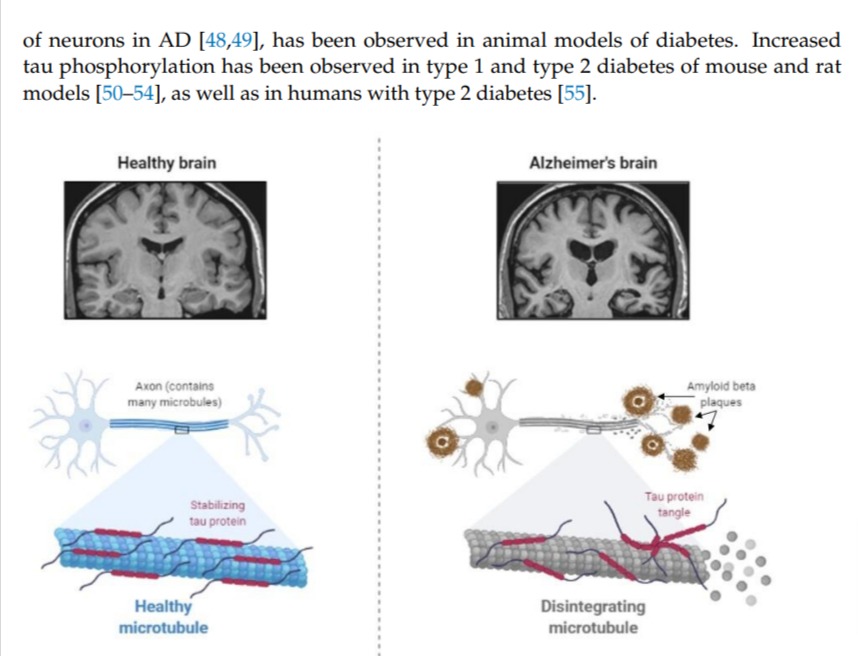
A 2026 review calls the gut-brain axis “a dynamic, bidirectional communication network” integrating neural, endocrine, immune, and metabolic pathways that regulate physiology and behavior.
This science converges with ancient Scripture, as we find that the Mark of the Tau was for the guidance of the angelic executors of God’s commands—a mark or sign of favorable distinction.
These angels are said to be the executors of God’s wrath and also to deliver people, such as Lot, from danger (Genesis 18–19; Exodus 12–14). As St. Paul says, “Sit at My right hand until I make Your enemies a footstool for Your feet.” He then asks, ““Are they not all ministering spirits, sent to minister for them, who shall receive the inheritance of salvation?” (Hebrews 1:14).
The word ministering means learning about and attending to others’ needs or helping or caring for someone or something.
It is as if these angels or spirits were with us at all times or were sewn into the fabric of our being and bodies from the day we were created.
St. Basil (Homily on Psalm 43) said that our guardian angels can act upon our senses (Summa Theologiae, I, q. 111, a. 4) and upon our imaginations (ibid., a. 3), but not upon our wills except per modum suadentis—that is, by working on our intellect and thus upon our will through the senses and the imagination (I, q. 106, a. 2; q. 111, a. 2).
Aquinas writes, “Both a good and a bad angel by their own natural power can move the human imagination,” while maintaining that the will remains free to consent or resist.
The prophet Ezekiel speaks of the Tau as the mark distinguishing those who were to be saved, on account of their sorrow for their sins, from those who, as idolaters, were to be slain.
The Hebrew word translated as “mark” is taw, the name of the final letter of the Hebrew alphabet, and commentators note that its ancient written form resembled a cross.
“Go through the city, walk through Jerusalem, and mark Tau upon the foreheads of the men who sigh and mourn for all the abominations that are committed in the midst thereof.
“To the others, I heard the Lord say: ‘Pass through the city after him and strike! Do not look on them with pity or show any mercy! Old men, youths and maidens, women and children—wipe them out! But do not touch anyone marked with the Tau on the forehead. Begin at My sanctuary’” (Ezekiel 9:4–6).
It is as if the people of Jerusalem were divided into two camps based on their mental health.
According to the Jewish Encyclopedia:
The cross as a Christian symbol or “seal” came into use at least as early as the second century (see Apost. Const. iii. 17; Epistle of Barnabas, xi–xii; Justin, Apologia, i. 55–60; Dial. cum Tryph. 85–97); and the marking of a cross upon the forehead and the chest was regarded as a talisman against the powers of demons (Tertullian, De Corona, iii; Cyprian, Testimonies, xi. 21–22; Lactantius, Divinæ Institutiones, iv. 27, and elsewhere).
Christians used to swear by the power of the cross (Apocalypse of Mary, viii, in James, Texts and Studies, iii, 118).
Tertullian says, “Frontem crucis signaculo terimus” (De Corona, iii)—that is, “We Christians wear out our foreheads with the sign of the cross.” He also said, “The Greek letter Tau and our Latin letter T are the true form of the cross, which, according to the Prophet, will be imprinted on our foreheads in the true Jerusalem” (Against Marcion, III, xxii).
The original meaning of Tau—Taw or Tav—in Hebrew is “mark.” It was the twenty-second letter of the alphabet and later came to represent the letter T in Greek.
The mark was how God’s angelic executors were able to find, save, or destroy people based on how they thought, spoke, lived, and acted.
“For He shall give His angels charge over thee, to keep thee in all thy ways” (Psalm 91:11).
On one side, there were people who were said to be truly sorry for their sins and adamantly opposed to the culture of sin, idolatry, and abominations.
They were said to be marked by the Lord with the Tau in order to be saved.
This means that the people chosen by God to be saved by the mark of the Tau seemed to have control and power over their own bodies and minds.
It was a type of spiritual mark or metaphysical representation that acted as a sign for the people chosen by God to be saved because they were not controlled by the supernatural or infernal forces of Satan or the Devil.
These people who had the mark were also adamantly opposed to sin and the evil acts committed by their fellow countrymen.
On the other side of the camp were the damned.
These were people who accepted and encouraged the sins of Sodom and, in doing so, bore the mark of the theta upon their foreheads.
They were under the direct control of Satan or the Devil—a type of beast that was no longer human.
They were people our ancestors may have called demons or people possessed by the Devil.
Today, we can say they simply lost their minds. Schizoid. . . .
In doing so, they were marked by ministering spirits for destruction and death.
THE TAU PROTEIN
I find these ancient biblical stories interesting because, as they relate to modern times, we find what is called the tau protein, which is found mainly in the neurons of the central nervous system and in the brain’s frontal lobe, under the forehead. Modern reviews describe tau as a major microtubule-associated protein in mature neurons.
It is associated with the mark of the Tau on the forehead of the early Christians as an indication of a sound or strong mind and, as I will show, human consciousness.
This supports my contention that tau is involved in the creative processes and in preserving the health of the brain, as well as in destructive processes, as I will show.
Tau is a phosphoprotein—a protein that contains chemically bound phosphate—critical to neuronal function, memory, cellular activity, and habituation, a form of non-associative learning. As one modern review states, “Tau plays a key role in regulating microtubule dynamics, axonal transport and neurite outgrowth,” and these functions are modulated through site-specific phosphorylation.
Tau is phosphorylated in a normal, healthy brain, and it becomes abnormally hyperphosphorylated in dementia and Alzheimer’s disease. Hyperphosphorylated tau forms a major component of the paired helical filaments and neurofibrillary tangles found in Alzheimer’s disease.
The phosphorylation process plays a key role in metabolism and immune response. It plays a critical role in regulating much of what determines our health and lifespan through cell cycles, growth, and apoptosis.
A protein being phosphorylated is like drinking an energy drink before a workout—it prepares a molecule for some specialized task.
It is what I believe is the “energy beacon” or antenna that fungi and molds use as a signaling pathway within the host, one that can regulate or corrupt protein activity and alter the expression of many genes at the cellular level.
Cells also secrete various proteins that become part of the extracellular matrix or participate in intercellular communication.
Oxidative phosphorylation is the process in which protons move through ATP synthase, releasing energy that causes the rotor and central shaft of ATP synthase to rotate. The mechanical energy from this rotation is converted into chemical energy as phosphate is added to ADP to form ATP. Biochemical research describes ATP synthase as a rotary motor driven by an electrochemical proton gradient.
The release of a phosphate group from ATP through hydrolysis releases usable energy and changes ATP to ADP.
The word phosphorus derives from the Greek phōsphoros, meaning “light-bearer.”
In Latin, the corresponding word is lucifer, meaning “light-bringer” or “morning star.”
“How art thou fallen from heaven, O Lucifer, son of the morning! How art thou cut down to the ground, which didst weaken the nations!” (Isaiah 14:12).
Phosphorus also helps nerves and muscles do their jobs. In the form of phospholipids, phosphorus is a component of cell-membrane structure and of the body’s key energy source, adenosine triphosphate, or ATP. The National Institutes of Health identifies phosphorus as a component of bones, teeth, DNA, RNA, phospholipids, and ATP.
The tau protein helps make sure the brain operates properly by supporting neuronal transport and microtubule stability, which are necessary for overall neurological fitness. It is a microtubule-associated protein, or MAP (Weingarten et al., 1975; Witman et al., 1976).
Researchers describe tau’s role in microtubule stabilization and axonal transport as crucial to neuronal function.
Physicist Roger Penrose of the University of Oxford claimed that the brain acts as a quantum computer and that protein structures called microtubules play a role in human consciousness by exploiting quantum effects. Penrose and anesthesiologist Stuart Hameroff developed this proposal as the Orchestrated Objective Reduction, or Orch OR, theory, which attributes conscious experience to proposed quantum processes in neuronal microtubules.
This may explain why, when the tau protein is corrupted by some process, it creates mental pathologies that lead people to lose their minds, memories, and consciousness.
After all, a quantum effect is the change that one quantum system causes in another.
Since tau’s health and regulation are critical for brain function, this may explain why tau pathology, or tauopathies, leads to cognitive impairment, mental illness, and diseases such as dementia and Alzheimer’s disease. Scientific reviews link tau’s misfolding, abnormal hyperphosphorylation, loss of normal function, and toxic gain of function to Alzheimer’s disease and other neurodegenerative disorders
It is as if there is an underlying or hidden cause that creates the effects of these mental illnesses and diseases, and tau is a key marker of these conditions.
The metaphysical and biological mark of those who are not to be saved—the damned.
Hence: “Pass through the city after him and strike! Do not look on them with pity or show any mercy! Old men, youths and maidens, women and children—wipe them out! But do not touch anyone marked with the Tau on the forehead. Begin at My sanctuary” (Ezekiel 9:4–6).
The mark, I contend, may have been the tau protein, which acts like a cellular signal or magnet of sorts for the angelic executors of God’s commands to destroy the mentally ill and some who are so sick that they act like what our ancestors may have called evil demons.
This story becomes even more interesting as it relates to the science of the human mind and human behavior.
Scripture tells us that Jesus, a thirty-three-year-old wise man from the land of Judea—Idumea, Crete—was brought to Golgotha, also known as the “Place of a Skull,” and crucified upon a Tau cross with two others, one on each side, with Jesus in the middle. John states, “Carrying His own cross, He went out to the Place of the Skull, which in Aramaic is called Golgotha” (John 19:17).
Miraculously, after the crucifixion upon the Tau cross, Jesus is resurrected.
The original Phoenician, or Hebrew, meaning of resurrect or resurrection is “raising up” or “rising up”—to cause someone to stand or rise, or to raise someone from sleep or from the dead. To resurrect is for man to be “raised up” to live in the spiritual realms, or what is called being “born again” or “born from above”—spiritually regenerated (John 3:3–5).
Man is “raised up together, and made to sit together in the heavenly places,” or spiritual realms, in Jesus Christ (Ephesians 2:1, 5–6; Colossians 2:12–13).
We can say that man is now conscious and aware, raised from his former ignorant state of being medically brain-dead and controlled by sin—“The soul who sins will die” (Ezekiel 18:20).
“The wages of sin is death” (Romans 6:23), which is the repayment you receive from being your own “god.”
Hence, although physically alive, you can be spiritually “dead” (1 Timothy 5:6; Revelation 3:1).
The death of Jesus is not the end of His life or a state of nonexistence, but the separation of the mind from the Light, or what Christians call the “Source of Life—God the Father.”
The resurrection of Jesus represents His rising from a metaphysical, sleep-like state, or from being unenlightened, to become righteous—that is, enlightened by the power of Almighty God, His Father.
It is as if He was formerly in a sleep-like state under the sway of the Devil, which would be a sentence of mental illness and disease that would equate to death.
This is why, in ancient Christian iconography, Jesus with a halo is often depicted in a cloud of light, pointing toward the heavens with His right hand.
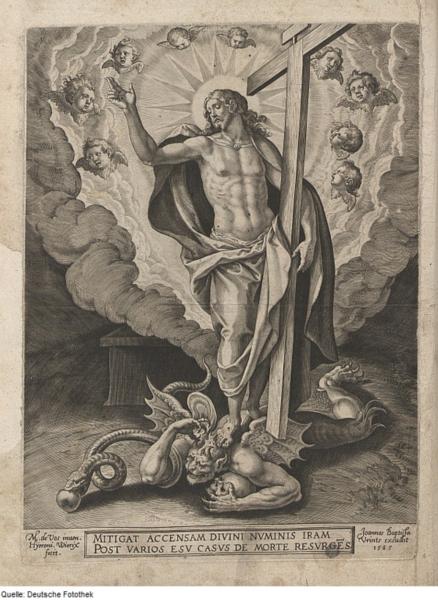
In His left hand, He holds the Tau cross as He stands upon the Devil, whom He has conquered but who is still alive as he clutches a human skull. In Byzantine resurrection art, the cross could function as a symbol of victory, while skull imagery commonly represented Golgotha, Adam’s grave, and Christ’s victory over death.
Jesus Christ is called the substitute Adam or the “last Adam,” who tasted death and overcame death on our behalf. He went to Hell to experience eternal death on our behalf (Hebrews 2:9; 1 Corinthians 15:45–47).
The Spirit of God raised Him from the grave, triumphant over all the powers of darkness that had sought to hold Him in their grip (Psalm 22:6–8, 14–18).
The resurrection of the righteous rests on their union with God through Christ (John 5:28–29).
The resurrection symbolizes the awakening and enlightenment of consciousness that occurs when someone stops abusing himself and others, or what Christians call “sinning.”
This is when a person like Jesus truly uses his senses and brain to think and process information—to use logic and reason rather than merely react emotionally or regurgitate knowledge.
The Hebrews would have called such a person behemah, or a behemoth, and the Greeks would have called such people automatons. In Scripture, they are referred to as beasts, so-called men whose number is 666, representing the carbon matter in which their minds dwell and by which they are controlled.
For, “If Jesus Christ is not risen, then our preaching is empty and your faith is also empty. . . . You are still in your sins!” (1 Corinthians 15:14, 17).
The ancient Tau would signify a metaphysical seal or sign in a person’s head indicating that he was a servant, or light, of God, as in the case of the “resurrected Jesus.”
In John 19:17, we read, “Carrying His own cross, He went out to the Place of the Skull, which in Hebrew is called Golgotha.” We also read, “At the place where Jesus was crucified, there was a garden, and in the garden a new tomb in which no one had ever been laid” (John 19:41).
Saint Mark (14:32) calls it chorion, “a place” or “estate”; St. John (18:1) speaks of it as kepos, a “garden” or “orchard.” In the East, a field shaded by numerous fruit trees and surrounded by a wall of loose stone or a quickset hedge forms the el bostan, the garden (Catholic Encyclopedia, 1913).
The word chorion, from the Greek chōros, means a uniquely designated land: anything from a garden to an estate, a country or territory, or even a whole realm, such as the realm of the dead.
The Galatians of the Bible descended from the Gauls, and in Paul’s famous complaint about the foolish Galatians who had allowed themselves to become bewitched (Galatians 3:1), he also appears to state that the Gauls had reached Christ-awareness but lost it.
Tau is found in the nuclei of neurons. Tau pathology is the main cause of many neurodegenerative diseases, such as dementia and Alzheimer’s disease, which involve the accumulation of abnormal tau protein in the brain and are referred to collectively as tauopathies.
Nuclear tau has been localized near rDNA and within regions involved in rDNA transcription and pre-rRNA processing, leading researchers to propose roles in chromosomal stability, transcription, and rRNA maturation.
Within these people’s brains are neurofibrillary tangles—intracellular aggregates of tau-protein filaments—and amyloid plaques, which are extracellular aggregates of amyloid-beta peptides. Researchers have suggested that tau may participate in rRNA-coding DNA transcription and rRNA processing. Modern reviews identify amyloid-beta deposits and neurofibrillary tangles as major pathological features of Alzheimer’s disease.
In my article, “Memory Stealers: How Fungi (Molds) Steal a Person’s Memories”, I explain how several studies have shown that the autopsied brains of Alzheimer’s patients were infected with, often, multiple types of fungi or molds. Published studies have reported fungal proteins, DNA, cells, and hyphae in brain samples from Alzheimer’s patients, and one sequencing study found five fungal genera common to all nine patients examined.
This becomes fascinating because the Tau cross is historically associated with Saint Anthony of Egypt and became known as Saint Anthony’s cross, while the fungal disease ergotism later became known as Saint Anthony’s fire.
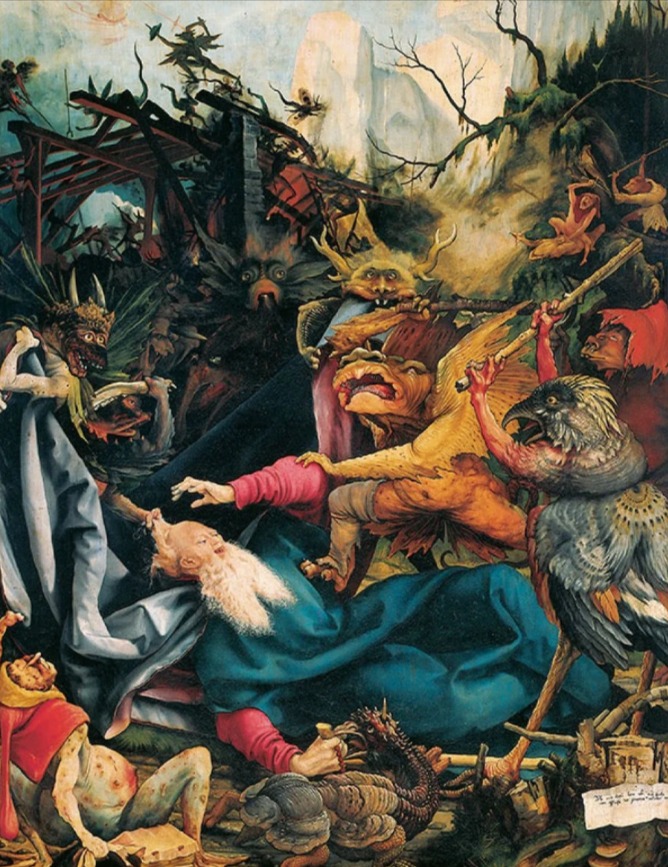
Medical historians identify “St. Anthony’s fire” with several conditions across time, including ergotism, erysipelas, and herpes zoster, with gangrenous ergotism forming one major historical use of the name.
It was known as Holy Fire—Ignis Sacer—or St. Anthony’s Fire in the Middle Ages because of the burning sensations that resulted in the body rotting or decaying through gangrene of the limbs. Medical literature describes medieval ergotism as poisoning caused by eating rye contaminated with Claviceps purpurea, producing burning pain, vasoconstriction, and gangrene.
Ergot made people mentally ill by causing them to appear agitated, hallucinate, convulse, and behave as if they were crazy or demon-possessed. Historical accounts distinguish convulsive ergotism from gangrenous ergotism, both caused by alkaloids from ergot-contaminated grain.
If the fungal disease was left untreated, it restricted blood flow to an infected person’s extremities, resulting in gangrene in the later stages and causing fingers, toes, hands, and feet to drop from the body.
This reminds me of what we call diabetes today.
It is a disease that can cause the limbs to rot and decay to the point that they must be amputated.
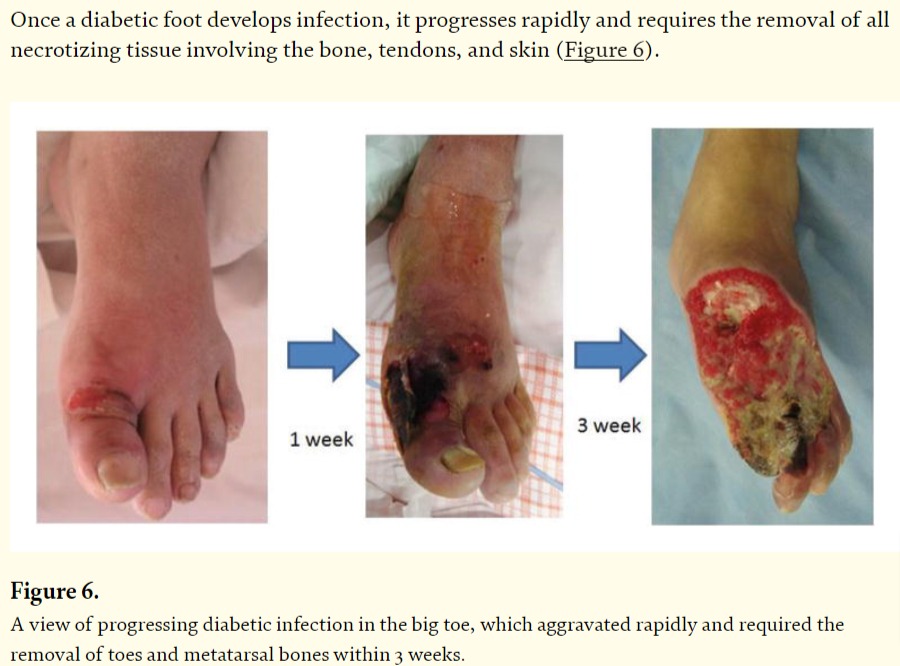
This condition may be the source of “dancing epidemics.” Dancing epidemics, also known as dancing plagues or tarantism, occurred between the fourteenth and seventeenth centuries CE. Various medieval chronicles described groups of people engaging in this behavior, sometimes for months on end.
Medical historians agree that the precise cause remains uncertain, although ergot poisoning, psychogenic illness, religious ritual, and social distress have all been proposed.
These dances appeared to be involuntary and were possibly the result of ergot poisoning, vengeful spirits, supernatural fears, the bite of a tarantula or scorpion, and the distress of poverty and hardship in everyday life, combined with natural disasters.
In honor of St. Anthony’s life and struggles, the Order of Hospitallers of St. Anthony was established in 1095 CE in the medieval French province of Dauphiné. The order established centers to care for people afflicted with ergotism, and it became known for treating those suffering from the disease.
The walls of the hospital were painted red to mimic the burning sensations experienced by those suffering from the illness.
The monks wore black robes adorned with a blue Tau cross.
Conclusion
The mark of the tau challenges every generation to remain conscious.
It asks whether the individual can recognize corruption without becoming corrupted, confront suffering without surrendering reason, and explore hidden knowledge without abandoning truth.
That is where ancient wisdom and modern science can meet.
Microbes and immune messengers attend to countless biological needs without conscious direction. They can support health, respond to threats, and influence the chemical environment in which thought and emotion occur.
They are not literally angels, according to science. Yet a modern gnostic may treat the comparison as a symbolic bridge: what earlier cultures personified as invisible powers, modern laboratories may describe as cellular systems, microbial ecologies, and biochemical messengers.
The ancient tau signifies a seal in the forehead of God’s servants.
It identifies those whose minds remain alive to corruption and whose conduct reflects that awareness.
The tau on the forehead marks those who still see.
The tau within neurons participates in the architecture that allows human beings to perceive, remember, and respond.
One belongs to revelation and symbol; the other belongs to molecular biology.
The disciplined reading therefore separates three levels:
-
Scripture presents a theological drama of sin, judgment, salvation, death, and resurrection.
-
Esoteric interpretation reads that drama as an inner transformation of consciousness.
-
Neuroscience studies the biological structures and processes that make memory, cognition, and behavior possible.
These levels can converse without collapsing into one another.
Modern tau is a protein essential to neuronal organization.
When properly regulated, it supports microtubule dynamics and axonal transport; when pathologically altered, it can aggregate into structures associated with dementia and the erosion of memory.
According to Statista, today, Alzheimer’s disease, is among the top ten leading causes of death in the U.S. as well as worldwide. Furthermore, over the past two decades, the number of deaths due to Alzheimer’s and other dementias in the United States increased by over 140 percent.
Initial symptoms include difficulties in memory and mood changes, but the disease gradually progresses to impair communication and judgment, behavioral changes, and deficits in movement and motor skills, such as difficulties with swallowing, which often becomes a contributing cause of death.
“The wages of sin is death” (Romans 6:23), which is the repayment you receive from being your own “god.”

References
-
Bible Hub, “Ezekiel 9:4 Commentaries”
-
Bible Hub, “Revelation 7:2”
-
Bible Hub, “Hebrews 1:14”
-
Bible Hub, “Psalm 91:11”
-
Tertullian, De Corona
-
Tertullian, Against Marcion, Book III
-
Thomas Aquinas, Summa Theologiae, First Part, Question 111
-
Jewish Encyclopedia, “Cross”
-
Johnson and Jenkins, “Tau Protein in Normal and Alzheimer’s Disease Brain: An Update”
-
Stoothoff and Johnson, “Tau Phosphorylation: Physiological and Pathological Consequences”
-
Wang and Mandelkow, “Tau in Physiology and Pathology”
-
Maina et al., “The Involvement of Tau in Nucleolar Transcription and the Stress Response”
-
Hameroff and Penrose, “Consciousness in the Universe: A Review of the Orch OR Theory”
-
Cryan and Dinan, “Mind-Altering Microorganisms: The Impact of the Gut Microbiota on Brain and Behaviour”
-
Pisa et al., “Fungal Infection in Patients with Alzheimer’s Disease”
-
Pisa et al., “Different Brain Regions Are Infected with Fungi in Alzheimer’s Disease”
-
Alonso et al., “Identification of Fungal Species in Brain Tissue from Alzheimer’s Disease by Next-Generation Sequencing”
-
Flieger et al., “Ergot Alkaloids—Biology and Molecular Biology”
-
Donaldson et al., “The Dancing Plague: A Public Health Conundrum”
-
World History Encyclopedia, “St. Anthony’s Fire”
-
NIH Office of Dietary Supplements, “Phosphorus: Health Professional Fact Sheet”
-
Gnostic Warrior, “Memory Stealers: How Fungi (Molds) Steal a Person’s Memories”
Moe is the founder of GnosticWarrior.com. He is a father, husband, author, martial arts black belt, and an expert in Gnosticism, the occult, and esotericism.

by Moe
Masculine republics give way to feminine democracies, and feminine democracies give way to tyranny.”
— Aristotle, Politics, 4th century BCE
Kings have risen and fallen. Empires have consumed civilizations whole.
But the most enduring weapon in the arsenal of power was never the sword, it was that ruling classes have historically weaponized masculinity, virtue, and comfort to manufacture obedience — was understood by every serious philosopher from Plato, Plutarch to Machiavelli.
One of the greatest instruments of political domination isn’t force, it is that the engineering of physical and moral softness in a population produces a far more manageable citizenry than any chain ever could.
This was not a conspiracy theory in antiquity.
It was discussed openly — in philosophy classrooms, in Senate chambers, in military academies, in the works of Herodotus, Plato, Aristotle, Seneca, and Tacitus.
The ancient Greeks and Romans did not speak abstractly about masculinity.
They understood it as a biological, psychological, political, and spiritual architecture — one that could be constructed through discipline, or dismantled through pleasure.
They watched civilizations rise on the scaffold of masculine virtue and collapse when that scaffold rotted from within.
And some of them — the sharpest, most dangerous minds in the ancient world — went further still: they described, in precise operational terms, exactly how a ruler could engineer that collapse in his own subjects, converting free men into compliant ones without ever drawing a sword.
The ancient Greeks and Romans understood with razor-edged clarity that the relationship between a man’s inner character and the political health of his civilization was not metaphorical.
It was structural.
A nation of men who could not master their own appetites, who had been softened by luxury, weakened by entertainment, emasculated by comfort — was a nation already conquered, even before the first enemy soldier crossed its borders.
This article follows that thread from its philosophical origins in Athens, through the Stoic resistance of Rome, to the astonishing moment in Herodotus when a defeated king offers a conqueror the ultimate weapon:
Not armies, not gold, but the strategic use of pleasure to pacify an entire people forever.
No ancient thinker was more alarmed by the danger of male softness — or more precise about how it was manufactured — than Plato.
In The Republic, his masterwork of political philosophy written around 380 BCE, Plato constructs a theory of the soul that is, at its core, a theory of political vulnerability.
Plato divides the soul into three parts: logos (reason), thumos (spiritedness, courage, will), and epithumia (appetite, desire, pleasure-seeking). The health of a man — and, by extension, the health of a city — depends entirely on logos governing thumos, and thumos governing epithumia.
When that hierarchy inverts — when appetite rules spirit, and spirit abandons reason — the man becomes what Plato calls malakos: soft, weak, ungovernable by virtue of being ungovernable by himself.
The Greek word malakos is deeply significant: it means simultaneously “soft,” “cowardly,” and “effeminate,” revealing that for the ancient Greek mind, these were not three separate conditions. They were one.
What is most startling — and most relevant to the modern reader — is how Plato identified the mechanism by which this inner collapse was engineered.
It was not physical torture or overt political force.
It was music.
In The Republic, Socrates argues at length that certain musical modes — particularly the “Lydian” harmonies, the “Mixo-Lydian,” and what he calls the “soft modes” — did not merely produce pleasant sounds.
They produced constitutional changes in the soul itself.
Plato writes that music “producing a temper of hardness and ferocity” was to be distinguished absolutely from music “of softness and effeminacy” — and that a state which allowed the wrong music to proliferate was effectively breeding its own destruction.
His prescription was total: ban the Lydian modes, ban complex instruments, restrict music to the Dorian and Phrygian modes suited to warriors and philosophers, and “prevent people from practicing unsuitable arts”.
As one scholar noted, “Plato saw music, and songs, as a form of propaganda to develop a certain kind of character” — the rest, in his view, should be purged.
Plato extended this analysis into the political realm with devastating logic.
In Book VIII of The Republic, he traces the constitutional decay of the soul directly onto the decay of political systems.
The regime that tolerates excessive softness, pleasure, and the abandonment of discipline produces a democratic man — one whose soul is “a mob of appetites, each claiming equality with every other”.
And that democratic man, precisely because he has no inner hierarchy, becomes the perfect raw material for the final stage of political decay: tyranny.
The tyrant emerges, Plato writes, directly from the laxity and love of pleasure of democracy, with Eros — erotic desire — leading “the desires in his soul like a mob leader”.
The path from soft men to enslaved men was, for Plato, not a possibility.
It was the end result.
Where Plato diagnosed the disease, Aristotle dissected its political applications with the cold precision of a military strategist.
Aristotle created the first homerotic playbook for turning men soft and gay for rulers.
A hidden man-u-script that we see in real time today being employed in the so-called modern Western empires of the US and UK.
In Book V of Politics, Aristotle compiles what is effectively a manual for tyrants — not as an endorsement, but as an exposure, laying bare every technique by which a ruler keeps his subjects too weak, too divided, and too feminized to resist.
The tyrant’s playbook, in Aristotle’s account, is not random cruelty.
Aristotle’s chilling summary of this logic: “Slaves and women do not conspire against tyrants, but are in contrast friendly to tyrannies and also to democracies, since under them they have a good time”.
It is a system — and at its center is the strategic feminization of male subjects.
Make them forget who and what they are.
By doing so, you invert their very beings and souls.
Confused, defeated, and emasculated, feminized men become tools and weapons for the state.
A man in those conditions will not rebel.
He will not even think of rebellion.
He will ask only that the entertainment continue.
Instead, they become rabid attack dogs with rabies of the true masculine and wise men of society.
Gay puppets of political espionage who destroy all that is beautiful via the commands from their hidden masters.
A man who does not know himself, his neighbors, who is kept poor and exhausted, and whose household authority has been hollowed out from within by state since boyhood — that man is not free.
He is already a slave, regardless of what his legal status says.
His masculinity and free will have been stolen without him even knowing.
The results are always the same regardless of the time or empire — a tyranny converts free men into the psychological condition of slaves and women, and thereby secures itself without violence.
The tyrant’s methods, as Aristotle catalogues them, include:
-
Eliminating men of exceptional merit — by execution or exile, preventing any rival center of masculine virtue from forming
-
Prohibiting independent organizations — “common meals, clubs, and any education likely to produce hostile sentiment”
-
Keeping subjects poor and overworked — “by impoverishing his subjects and forcing them to keep busy with excessive amounts of work,” the tyrant “prevents political organization” and renders the subject population “servile and politically impotent”
-
Making war perpetually — so that subjects “have something to do and be always in want of a leader”
-
Encouraging feminine influence — this is the entry that modern readers find most startling: Aristotle explicitly states that the tyrant depends on “women gaining influence within their families,” thereby “undermining the authority of the men of the family in a way that the tyrant hopes to benefit from”
-
Using women and slaves as informants — to ensure that men cannot trust each other, cannot organize, and live in permanent suspicion
-
Preventing people from knowing one another — forcing subjects to live publicly visible while remaining strangers to each other, unable to form the bonds of trust from which resistance is born
Marcus Aurelius, writing from the throne of the Roman Empire itself, took this further.
In his Meditations — a private philosophical journal never intended for publication — he returns obsessively to the same themes that Plato and Aristotle had mapped centuries before: the danger of appetite, the absolute necessity of self-discipline, the relationship between inner order and outer authority.
“Show those qualities which are altogether in thy power,” he writes: “sincerity, gravity, endurance of labour, aversion to pleasure, contentment with thy portion and with few things”.
For Marcus Aurelius — a man who governed the largest empire in the Western world — aversion to pleasure was not an ascetic quirk.
It was the foundational political virtue of a man who cannot be bought, manipulated, or controlled.
Seneca extended the analysis into cultural criticism of devastating precision.
Writing in the era of Nero’s Rome — when Platonic warnings about luxury and soft men seemed to be visibly coming true in the corridors of imperial power — Seneca argued that talis oratio qualis vita: “such is the speech, such is the life”.
A man’s style of writing, his manner of dress, his gait, his tastes in entertainment — all were diagnostic windows into the condition of his soul.
The man who wrote in slack, indulgent sentences was the man who lived in slack, indulgent ways.
The man who moved through life seeking comfort was the man whose soul had already been conquered.
Seneca named his contemporary Maecenas, the celebrated cultural patron of the Augustan age, as his chief exhibit — a man whose prose style, luxurious lifestyle, and cultivation of the arts were, to Seneca’s eye, symptoms of a soul in constitutional collapse.
The irony — which every ancient writer understood perfectly — was that a regime of luxury and softness was, ultimately, self-defeating even for the tyrant who deployed it.
A population of soft men might be easily governed, but it could not defend the empire against those who were not soft.
Rome did not fall because its enemies were strong.
Rome fell, as Gibbon and before him Tacitus argued, because its men had become soft and weak.
The ancient Greeks and Romans left behind a body of knowledge so coherent, so precisely observed, and so practically validated by historical experience that its suppression in modern discourse can only be described as ideologically motivated.
From Plato’s Republic to Aristotle’s Politics, from Herodotus’ tale of Croesus and Cyrus to Seneca’s letters and Marcus Aurelius’ midnight meditations, the ancient world spoke with one voice on this matter:
The softening of men is not a natural process.
It is an engineered one.
And its purpose has always been control.
The question is not whether this weapon exists.
The question is whether we have the self-knowledge — and the courage — to recognize when it is being used.
A man who masters himself cannot be mastered.
A man whose thumos is intact cannot be purchased.
A man educated in aidos will not surrender his city, his family, or his soul for comfort.
This is precisely why every tyrant in the ancient world — and every tyrant in every subsequent world — has intuitively understood that the first and most important battlefield is not geographical.
It is the mind and soul of the man.
References
-
Plato. The Republic. Trans. B. Jowett. MIT Internet Classics Archive. https://classics.mit.edu/Plato/republic.4.iii.html
-
Aristotle. Politics, Book V. MIT Internet Classics Archive. https://classics.mit.edu/Aristotle/politics.5.five.html
-
Autistocrates. “Aristotle on Tyranny.” Substack, September 2021. https://autistocrates.substack.com/p/aristotle-on-tyranny
-
VoegelinView. “Advice for Tyrants and the Possibility of the Good Life in Aristotle’s Politics.” January 2021. https://voegelinview.com/advice-for-tyrants-and-the-possibility-of-the-good-life-in-aristotles-politics/
-
VoegelinView. “Soul Music in Plato’s Republic.” July 2018. https://voegelinview.com/soul-music-platos-republic/
-
Academia.edu. “The Tyrant’s Progress: The Meaning of ΤΥΡΑΝΝΟΣ in Plato and Aristotle.” Polis: The Journal for Ancient Greek and Roman Political Thought, 2021. https://www.academia.edu/103604343
-
Hypatia (Cambridge). “Feminizing the City: Plato on Women, Masculinity, and Thumos.” 2024. https://www.cambridge.org/core/journals/hypatia/article/feminizing-the-city-plato-on-women-masculinity-and-thumos
-
Academia.edu. “Music and Politics in the Ancient World.” 2020. https://www.academia.edu/75962604/Music_and_Politics_in_the_Ancient_World
-
Read Great Books. “Herodotus — The History, Book 1 (Clio), Part 3.” https://www.readgreatbooks.info/p/great-books-ep-108-herodotus-the
-
Herodotus. Histories, Book I. LacusCurtius / University of Chicago. https://penelope.uchicago.edu/Thayer/E/Roman/Texts/Herodotus/1b*.html
-
Academia.edu. “Effeminacy in the Shadow of Empire: The Politics of Transgressive Gender in Josephus’s Bellum Judaicum.” 2011. https://www.academia.edu/488856
-
ViaStorica. “10 Epictetus Quotes on Self-Mastery.” 2025. https://viastoica.com/10-epictetus-quotes-on-self-mastery/
-
Academia.edu. “Marcus Aurelius Meditations, Books 1–6.” https://www.academia.edu/35178243/Marcus_Aurelius_Meditations_Books_1_6_pdf
-
Cambridge University Press. “The Manhandling of Maecenas.” In Seneca, 2023. https://www.cambridge.org/core/books/seneca/manhandling-of-maecenas
-
Academia.edu. “The Effeminate East: Orientalism in Roman Military Contexts.” 2016. https://www.academia.edu/66955377
-
Bryn Mawr Classical Review. “Searching for the Cinaedus in Ancient Rome.” January 2025. https://bmcr.brynmawr.edu/2025/2025.01.47/
-
Academia.edu. “The Construction of Hegemonic Masculinity in the Education Practices of Sparta.” 2018. https://www.academia.edu/35830560
-
World History Encyclopedia. “Agoge, the Spartan Education Program.” 2021. https://www.worldhistory.org/article/342/agoge-the-spartan-education-program/
Moe is the founder of GnosticWarrior.com. He is a father, husband, author, martial arts black belt, and an expert in Gnosticism, the occult, and esotericism.
by Moe
Studies have shown that Fungi (Latin) or Molds (English) are microorganisms that can infect and take over the biological systems of humans.
They are so small, we cannot see them. But if we could, we would find that we live in a type of micoorganistic web that envelops all life and the entire globe within its filements.
Peer reviews studies over the last couple decades have found that they have the unique ability to possess, infiltrate, and control other organisms including plants, insects, animals and humans.
Many people today do not realize how these unseen forces like fungi play a large role in molding and human biology as it relates to microbial ecology, host-pathogen interactions, and cellular communication networks.
As we continue to unveil the mysteries of this intricate interplay, we open up new avenues for research and innovation that revolutionize our perception of the microbial world and its myriad of interactions.
One of the main methods or communication networks that fungi use to handle these tasks is via extracellular vesicles or EVs.
Fungi (Molds) don’t just release spores and toxins into the air. They send out tiny biological packages called extracellular vesicles (EVs) — nanoscale lipid-wrapped particles loaded with genetic material, proteins, enzymes, and virulence factors.
These aren’t accidental byproducts.
They are targeted delivery systems.
And they are designed to infiltrate your immune system, rewire your biology, and help fungal pathogens survive inside your body according to peer-reviewed studies from the NIH, PubMed, and major research institutions worldwide confirming that fungal EVs are active agents of human illness.
Think of a fungal extracellular vesicle as a biological delivery envelope.
It is a sphere wrapped in a lipid bilayer — the same type of membrane that surrounds every human cell — and it is packed with cargo the fungus deliberately loads inside it.
As a 2026 review published in World Journal of Microbiology and Biotechnology described them, fungal EVs are “sophisticated emissaries in cross-kingdom communication,” not mere cellular debris — they are “actively exported across the fungal cell wall via complex biogenesis mechanisms”.
That cargo includes nucleic acids (DNA and RNA), enzymes, lipids, polysaccharides, and virulence-related proteins. The fungus releases these vesicles across its cell wall and into the surrounding environment, including directly into human tissue during active infection.
The first EVs were observed in Aspergillus nidulans in 1972 and in Cryptococcus neoformans in 1973, but serious investigation into their role in human infection only intensified in the 2000s.
Today, fungal EVs have been identified in species including Candida albicans, Cryptococcus neoformans, Aspergillus fumigatus, Histoplasma capsulatum, Paracoccidioides brasiliensis, Malassezia sympodialis, and Sporothrix brasiliensis — covering a wide range of organisms that affect everyday people in their homes and workplaces.
How Fungi/Molds Infiltrate the Human Body
Interactions between cells via extracellular vesicles (EVs) represent a fascinating yet often overlooked aspect of human cellular and fungi communication.
Understanding how fungi release and uptake extracellular vesicles is essential for unraveling the intricate dance of communication between fungi and their environment. They have evolved over millions of years sophisticated mechanisms to manipulate host cells and evade immune responses.
These microscopic couriers transport their cargo across biological barriers allowing extracellular vesicles to influence cellular functions, modulate immune responses, and participate in the regulation of physiological processes.
When fungi grow within our bodies, they release EVs that create an extracellular filamentous matrix of biofilm around their hosts (victims), which acts as a protective layer against other microorganisms and antifungal drugs (Taff et al., 2012; Zarnowski et al., 2021).
For example, the fungus, Candida albicans, which resides in the human microbiome can regulate fungal virulence and biofilm formation via EVs (Honorato et al., 2022; Kulig et al., 2022).
The uptake of extracellular vesicles by fungi is a dynamic process that involves interactions between the vesicles and the fungal cell surface. Fungi have specific receptors and mechanisms for recognizing and internalizing extracellular vesicles.
Once internalized, the cargo carried by the vesicles can be released into the fungal cell, where it can modulate various cellular processes.
In biology, cell signaling is the process by which a cell interacts with itself, other cells, and the environment. This environment is in actuality an intricate web of filaments and cellular conversations that occur unseen within and around us.
Typically, the signaling process involves three components: The signal, the receptor, and the effector.
By interacting with EVs, fungi can hijack cellular communication pathways, deliver virulence factors, and promote their survival and proliferation within the host.
This interaction is particularly significant in the context of fungal pathogenesis, as it can influence the outcome of infections and the severity of disease manifestations.
Over recent years, the incidence of invasive fungal infections has surged, shedding light on the intricate role of fungal extracellular vesicles (EVs) in mediating intercellular communication and host-pathogen interactions. Moreover, recent research has shed light on the role of fungi EVs in the pathogenesis of diseases, including cancer, neurodegenerative disorders, and infectious diseases.
Thus influencing the dynamics of fungal-host cell interplay that can facilitate wound healing and when conditions are ripe, induce tissue damage, inflammatory responses, and various diseases.
How They Cross Into the Human Body
Here is the part that should concern every homeowner dealing with a mold problem: fungal EVs are small enough to penetrate biological barriers that would stop most fungal particles.
These vesicles range from as small as 30 nanometers to over 1 micron in size — well within the size range that penetrates the respiratory tract, crosses mucosal membranes, and enters the bloodstream.
During active infection, they have been detected directly in human blood and urine, confirming that they are circulating through the body of infected patients.
A 2024 study published by de Rezende and colleagues — later indexed through the NIH — examined EVs from the serum and urine of patients with confirmed infections from Candida albicans, Cryptococcus neoformans, and Paracoccidioides brasiliensis.
The researchers found that EVs from infected patients carried distinct lipid profiles — including sphingosine and phytosphingosine — not found in healthy control subjects, confirming the EVs were being produced during active human infection and circulating through biological fluids.
Fungal infections enter through two main routes: extrinsic (environmental fungi inhaled or absorbed from the outside) and intrinsic (fungi already present in the gut microbiome that become opportunistic under the right conditions).
Once inside a host, the fungi begin releasing EVs as part of their strategy to establish and maintain infection.
Genetic Material That Alters Human Gene Expression
Perhaps the most alarming aspect of fungal EVs is their ability to deliver RNA into human cells — and change how those cells behave.
Fungal EVs carry messenger RNA (mRNA), long non-coding RNAs (lncRNAs), small interfering RNAs (siRNAs), and other nucleic acid classes. Research on Candida albicans infection identified 10 up-regulated long non-coding RNAs in host cells that were specifically associated with infection, particularly related to “the response to injury”.
This suggests that fungal EVs may be actively reprogramming human gene expression to create a more favorable environment for fungal survival.
This is not a passive interaction.
The fungi appear to be using their EVs to send molecular instructions into human cells — instructions that alter immune responses, inflammatory signaling, and cellular behavior.
Comandering and taking over the very bodily systems that make us human
Immune Evasion: The Double-Edged Manipulation
The immune system’s response to fungal EVs is complicated — and that complexity is exactly what fungi exploit.
As a 2023 review in Frontiers in Microbiology described it, fungal EVs play a “double-edged sword” role: they can both stimulate and suppress the immune response, depending on the species, the concentration, and the specific cargo.
Fungi appear to have developed the ability to modulate which direction the immune response goes — triggering just enough inflammation to avoid being ignored, while simultaneously suppressing the responses that would eliminate them.
Cryptococcus neoformans EVs demonstrate this perfectly. On one hand, they trigger macrophages to produce tumor necrosis factor-alpha (TNF-α) and nitric oxide — pro-inflammatory signals. On the other hand, the same EVs carry GXM and stimulate the production of anti-inflammatory cytokines like TGF-β and IL-10, which suppress the immune system’s killing capacity.
The fungus essentially steps on the gas and the brakes at the same time, creating a state of immune confusion.
Candida albicans takes this even further.
Its EVs have been shown to activate complement receptor 3 (CR3) on monocytes, causing those monocytes to produce TGF-1-transporting vesicles of their own — human vesicles that then “suppress the immune response in blood vessels” and “attenuate systemic infection”.
The fungus hijacks the body’s own EV system to do its bidding.
ATP: The Unseen Fuel Fungi Exploit
One of the main extracellular signaling chemicals within the human body for fungi that also plays both a central role as an intracellular energy source is Adenosine 5′-triphosphate (ATP).
ATP is the primary energy currency of all living cells, from fungi and bacteria to plants and animals; if biological importance were ranked, it sits at the top of the pyramid.
ATP is the unseen fuel that makes the world go round, or more properly, oscillate clockwise, which is essential for various cellular processes, including brain function, muscle contraction, biosynthesis, and active transport processes in cells.
ATP synthesis is the process by which ATP is produced, typically occurring in the mitochondria of eukaryotic cells through cellular respiration by our microbiome. During this process, energy is generated and stored in the form of ATP, ready to be used for various cellular functions.
Active transport moves molecules or ions against their concentration gradient — a process requiring ATP hydrolysis — occurring either into cells (endocytosis) or out of them (exocytosis).
A prime example is the absorption of phosphorus by plant roots or our own microbiome. By contrast, passive transport moves ions from higher to lower concentration without energy expenditure, as in gas exchange in the lungs.
A bodily process that would require this active transport of energy to operate would be our brains in the act of thinking and problem solving.
On the contrary, passive transport moves ions from a higher concentration to lower concentration without any ATP energy like in the exchange of gases in the lungs and the exchange of nutrients in the kidneys.
ATP is created when we eat food, especially meat and dairy products.
When food is consumed, it undergoes digestion by our microbiome — i.e., fungi and bacteria — which we feed to break down our food into vitamins and ATP energy.
Without this community of microbes that lives symbiotically within and around us, we would not be able to break down the food we eat. Hence, we would simply not exist.
This is why they can become parasitic when we do not give these microbes the nutrients they require — as if there is an autonomous kill switch within our cells that turns on when we transgress against these natural laws.
Instead of eating the good food we supply them with, they will eat us, and the science proves this.
My contention is that this relationship can be compared to a master and slave dynamic, in that we are the slaves and they are our masters.
Gnostic Warrior Conclusion
Fungal extracellular vesicles are not a theoretical concern — they are an active biological reality unfolding inside homes, lungs, and bloodstreams right now.
These organisms are not passive invaders mindlessly releasing random toxins.
They are executing coordinated operations at the nanoscale, deploying molecular payloads with a precision that challenges everything mainstream medicine assumes about fungal pathogenicity.
We are not dealing with a simple mold problem.
We are witnessing a hidden war being waged at a global scale the naked eye cannot see and that conventional medicine has barely begun to acknowledge.
The ancient Gnostics understood that the most dangerous forces are the ones operating in concealment — and nowhere is that principle more relevant than here.
In Gnostic cosmology, archons (Greek: árchōn, meaning “ruler”) are described as malevolent cosmic rulers who govern the material world and keep souls imprisoned within it.
The Gnostic text Reality of the Rulers (Hypostasis of the Archons) describes them as having “bodies that are both female and male, and faces that are the faces of beasts” — boundary-crossing entities of chaos.
Their primary function is enforcing ignorance, feeding off human passions, and preventing spiritual ascension.
The microbes within us — bacteria, fungi, parasites — behave with a kind of ruthless autonomy that mirrors the archon’s role as internal ruler.
When well-fed and balanced, they are symbiotic partners. But when deprived of proper nutrition, gut parasites can literally re-engineer the internal ecosystem, alter tight junctions, invade epithelial cells, and cause dysbiosis — essentially turning against the host.
They are, in a very real biological sense, both female and male, and faces that are the faces of beasts with teeth that appear to be our defacto rulers.
Gnosticism teaches that humans carry a divine spark trapped within material constraints, and that liberation comes through self-knowledge rather than submission.
The knowledge exists.
The question is whether you will act on it.
References
-
Liu, J., & Hu, X. (2023). Fungal extracellular vesicle-mediated regulation: from virulence factor to clinical application. Frontiers in Microbiology, 14, 1205477. https://pmc.ncbi.nlm.nih.gov/articles/PMC10540631/
-
Sarkar, S., et al. (2026). Exploring the roles of fungal extracellular vesicles in fungal pathogenesis and symbiosis. World Journal of Microbiology and Biotechnology, 42(4), 174. https://pubmed.ncbi.nlm.nih.gov/41912904/
-
de Rezende, C.P., et al. (2024). Extracellular vesicles produced during fungal infection in humans are immunologically active. bioRxiv. https://www.biorxiv.org/content/10.1101/2024.03.20.585987v1.full-text
-
Bielska, E., et al. (2018). Pathogen-derived extracellular vesicles mediate virulence in Cryptococcus gattii. PubMed. https://pubmed.ncbi.nlm.nih.gov/29674675/
-
Fungal extracellular vesicles mediate conserved cross-species communication. (2026). PubMed. https://pubmed.ncbi.nlm.nih.gov/41615160/
-
Candida fungi bidirectional interplay with host extracellular vesicles. (2024). PubMed. https://pubmed.ncbi.nlm.nih.gov/39040088/
-
The emerging role of extracellular vesicles in fungi: a double-edged sword. (2023). PubMed. https://pubmed.ncbi.nlm.nih.gov/37533824/
-
Shopova, I.A., et al. (2020). Human Neutrophils Produce Antifungal Extracellular Vesicles against Aspergillus fumigatus. PubMed. https://pubmed.ncbi.nlm.nih.gov/32291301/
-
Martinez-Lopez, R., et al. (2022). Candida albicans Hyphal Extracellular Vesicles Are Different from Yeast Vesicles. PubMed. https://pubmed.ncbi.nlm.nih.gov/35604172/
-
U.S. Environmental Protection Agency. A Brief Guide to Mold, Moisture, and Your Home. https://www.epa.gov/mold
Moe is the founder of GnosticWarrior.com. He is a father, husband, author, martial arts black belt, and an expert in Gnosticism, the occult, and esotericism.
by Moe
Until you make the unconscious, conscious, it will direct your life and you will call it fate.” — Carl Gustav Jung, Psychology and Alchemy (1944)
Most people never notice the invisible hand at work — quietly pulling them back into the same bad behaviors, the same broken relationships, and the same traps they swore they’d never fall into again.
It operates below awareness, buried in old wounds and unexamined beliefs, running the show while the conscious mind convinces itself it’s finally in control.
The cycle doesn’t break itself. Most never even know there’s a cycle to break.
Some people call it fate. Some call it luck and others call it destiny.
Carl Jung called it something far more confronting: the unconscious mind operating without supervision.
This single sentence by Jung lays bare one of the most unsettling truths of modern psychology—that the grand architect of your life may not be you at all, but the hidden hand of your own psyche of secretly pulling the strings of your very being.
The people who do understand and get to know this unconscious part of themselves, are often victims of their own device.
A type of human puppet or automaton without a soul on a suicide mission.
As the ancient Delphic oracle commanded: “Know thyself,” and the The Hermetic axiom “As above, so below” we finds a striking parallel to Jungian philosophy and cognitive science: the mind’s architecture mirrors the universe’s hierarchy.
The lower (sensory, reactive) must be integrated with the higher (rational, transcendent) to produce genuine wisdom.
In the language of cognitive science, thinking styles exist on a spectrum between the lower and higher mind.
We also know today that we have a brain in our heads that has two separate sections or hemispheres with the left and right having specific functions and connections within the human body.
Research shows us that our brains in our skulls are permanently connected to our gastrointenstinal tracts in the stomach via the gut-brain axis.
Johns Hopkins Medicine describes the ENS as so sophisticated that it can operate largely independently of the brain, leading researchers to informally call it “the second brain.”
Studies have proven that the human body houses two interconnected nervous systems engaged in constant, bidirectional dialogue—a discovery that forces a fundamental reconsideration of how consciousness and perception actually work.
For example, Research into what scientists now call the gut-brain axis reveals that the human body houses two interconnected nervous systems engaged in constant, bidirectional dialogue—a discovery that forces a fundamental reconsideration of how consciousness and perception actually work.
Neuroscientists now describe cognition as a synthesis of bottom-up processing—raw sensory data streaming in from the environment—and top-down processing—the brain’s learned expectations, memories, and emotional states shaping how that data is interpreted.
In the language of cognitive science, thinking styles exist on a spectrum between two poles.
What is now becoming clear is that the gut, i.e. “the second brain” not only participates actively in this loop, but it can control it 100%.
Meaning, in some people today, especially with mental illness, this loop has been broken.
A broken loop that I contend can make someone lose their ability to be able to process information from the top down.
A person have lost the ability to truly think rationally, logically and act responsibly with the brain in their skulls.
Instead, they are secretly controlled by the organisms in their second brain who are controlling the nervous system like the strings on a puppet.
An all to often common event that can cause humans to become programmable automans based on the input of information over the course of their lives.
In order to understand human cognition, you need to that these two brains have different functions and abilities as it relates to thinking.
Much of our days are spent reacting without thinking because we are hardwired to operate without having to consciously think.
The two hemispheres in our brain along with our gut (second brain), the right and left have different functions in processing this information.
The right hemisphere is associated with automatic bottom-up processing and awareness of information holistically and relationally.
The left hemisphere is associated with top-down processing and focused attention to analyze and conceptualize information for language processing, logical thought, and simplifies information for easier processing.
Top-down thinking begins with a conceptual schema — a pre-existing framework, assumption, or narrative — and uses incoming data to confirm or adjust it.
A top-down thinker enters a room and immediately categorizes it: meeting room, formal, hierarchical. Their perception is shaped and filtered by inherited expectation.
Bottom-up thinking works in the opposite direction entirely.
The bottom-up thinker enters the same room and first registers its individual components: the hum of a fluorescent light, the power dynamics implicit in the seating arrangement, the emotional temperature of the people present.
Only after processing these granular inputs does a larger picture assemble.
As Simply Psychology researchers have documented, bottom-up processors “may focus more on specific parts of information rather than integrating it holistically” — a tendency that grants remarkable precision in detail but creates vulnerability to incomplete synthesis under pressure.
Obviously, we are still making decisions and reacting but this is done on the subconscious level as we move back and forth between conscious and unconscious forms of thought.
For example, how many of us speak and engage with one another is often done with little thought.
Scientists call this bottom up thinking.
Understanding bottom-up thinking — the cognitive architecture of those who act before they think — is not merely an academic exercise.
It is a map to one of the most misunderstood forms of human intelligence ever documented.
Bottom-up thinking is also known as condensed inner speech, which is the final stage of how we internalize our thoughts as we learn language and to talk to ourselves inside our heads. This concept was studied by psychologists like Vygotsky in 1934, Galperin in 1957, and Sokolov in 1967.
At this point, it happens naturally and without us even realizing it.
Meaning, some of our thoughts have now become automattic allowing habit formation.
Instead of using full sentences, we often just think in single words or phrases that match what we’re experiencing at the moment.
This type of speech happens in our minds that connects closely with our thinking, but it is automatic and autonomous.
It’s like how we automatically recognize sights and sounds, without really thinking about it—our brain processes it all in the background.
This would be what science calls a bottom–up perception of sensory input, most of which is processed automatically through implicit/unconscious neural mechanisms.
This bottom-up processing contributes to the development and execution of our habits, which are automatic behaviors, AKA repetitive actions that have become ingrained into our being and can be triggered by environmental cues without conscious thought.
In social interactions, this allows for rapid processing of facial expressions and body language guides our responses in social situations.
For people who engage in activities like sports or playing musical instruments, bottom-up processing allows for quick, fluid movements based on sensory feedback.
This process begins with the raw sensory data received by our sensory receptors and moves “up” to higher-level cognitive processing.
This allows humans to have quick reactions to environmental stimuli, which is crucial for survival and everyday functioning.
Rather than beginning with a broad conceptual framework and inserting details to confirm it, the bottom-up thinker starts with raw pieces of reality and gradually assembles them into a coherent whole.
In the language of formal logic, this is an inductive approach: evidence leads to theory, not the reverse.
It helps filter relevant sensory data, allowing us to focus on important cues.
The contrast with top-down thinking is stark and consequential.
Top-down thinking begins with the big picture — a pre-existing mental schema, an established expectation, a narrative inherited from culture or authority.
A top-down thinker looks at a room and immediately “reads” its social purpose.
A bottom-up thinker first registers the ticking clock, the quality of light, the texture of a surface, the emotional undercurrent in a voice — and only later assembles these raw percepts into something meaningful.
As researchers at Simply Psychology summarize it: bottom-up processors “may focus more on specific parts of information rather than integrating it holistically”.
In the simplest terms available: bottom-up thinking is data first, categorize later.
Act now, think later.
The modern rehabilitation of gut intelligence is largely credited to Dr. Michael D. Gershon of Columbia University, whose landmark 1998 book The Second Brain reignited scientific interest in the enteric nervous system (ENS).
Gershon described the bowel as “the only organ that contains an intrinsic nervous system able to mediate reflexes in complete absence of input from the brain or spinal cord,” and noted that the gut represented “a vast chemical warehouse featuring every class of neurotransmitter found in the brain”.
The human ENS contains between 200 and 600 million neurons—a complexity rivaling that of the spinal cord itself. It was the gut’s capacity to operate entirely independently of the cranial brain that led Gershon to call it the “second brain.”
Yet as Gershon himself noted, independence does not mean isolation: “While it’s no help in matters of philosophy, poetry, and other forms of deep thought, this second brain and how it interacts with the first one is a key factor in our physical and mental well-being”.
The Vagus Nerve: The Body and Minds Secret Highway
The primary communication channel between these two brains is the vagus nerve—cranial nerve X—one of the longest and most complex nerves in the human body.
A 2018 review published in Frontiers in Psychiatry described the vagus nerve as “the main component of the parasympathetic nervous system, which oversees a vast array of crucial bodily functions, including control of mood, immune response, digestion, and heart rate”.
Crucially, the vagus nerve sends information in both directions, but approximately 80–90 percent of its fibers carry signals upward, from gut to brain—not downward.
The body, in other words, is informing the mind far more often than the mind is directing the body.
The microbiome housed in the digestive tract produces neurotransmitters including serotonin, dopamine, and GABA—the very same chemical messengers that regulate thought, emotion, and awareness.
An estimated 90–95 percent of the body’s serotonin, widely associated with feelings of well-being and mental stability, is produced not in the brain but in the gut by microorganisms.
In 2018, researcher Maya Kaelberer and her team at Duke University made a landmark discovery: the gut communicates with the brain not only through slow hormonal signaling but through fast, direct neural connections.
They identified specialized sensory cells in the small intestine—dubbed neuropod cells—that synapse directly onto the vagus nerve, creating a rapid electrochemical line of communication between gut and brain.
Most recently, a 2026 study published in News-Medical provided the most startling evidence yet: specific gut bacteria were detected traveling via the vagus nerve and arriving in the brain tissue of mice—without any detectable breach of the blood-brain barrier.
Researchers confirmed that mice that underwent vagotomy (surgical severing of the vagus nerve) showed approximately twenty-fold fewer bacteria in the brain than control animals.
This architecture has profound implications for understanding both human perception and philosophy.
Within the labyrinthine walls of the digestive tract lies a complex neural empire — the Enteric Nervous System (ENS) — housing between 200 and 600 million neurons and over twenty distinct neuron types. This structure, embedded from esophagus to anus, does not merely process food.
It processes experience itself.
Johns Hopkins Medicine has called it “a brain in your gut” that is “revolutionizing medicine’s understanding of the links between digestion, mood, health, and even the way you think”.
Carl Jung, who spent decades mapping the dark corridors of the unconscious psyche, may have identified the psychological phenomenon; modern neurogastroenterology is now identifying its biological substrate.
When Jung declared that the unconscious would direct one’s life until it was made conscious, he was articulating, in the language of depth psychology, something that biochemistry is now expressing in the language of microbial signaling.
The second brain of the gut — and the trillions of microorganisms that colonize it — operates largely below the threshold of conscious awareness, shaping emotions, steering decisions, and sculpting personality in ways the thinking mind rarely suspects.
The ENS operates with a degree of independence that is neurologically extraordinary: studies confirm that even when the vagus nerve — the primary neural highway connecting gut to brain — is severed, the enteric nervous system continues to function autonomously.
The intestine, it has been noted, is the only organ in the body capable of operating in complete independence from the central nervous system.
This autonomy carries staggering implications. The standard model of human cognition places the brain at the center of all meaningful processing.
Yet neurogastroenterology reveals a rival headquarters operating in the abdomen, one that communicates with the central nervous system through bidirectional chemical and electrical signals transmitted via the vagus nerve within milliseconds.
As the University of British Columbia’s Neuroscience division observed, “emerging evidence is showing that the gut-brain axis is one of the most powerful relationships in our body”.
The gut is not merely reactive; it is generative. It initiates biochemical states that rise upward into consciousness and are experienced as emotion, motivation, and judgment — before the conscious mind has time to deliberate.
The Microbial Directors of Fate
Beyond the ENS itself lies a still deeper layer of hidden sovereignty: the microbiome. The human gut harbors trillions of microorganisms — bacteria, fungi, archaea, and viruses — that collectively outnumber human cells tenfold.
These microorganisms are not just passive passengers – they may be driving the human vehicle for billions of people around the globe.
A 2018 study published in Translational Psychiatry documented the first evidence that probiotic administration produced measurable changes in brain activation patterns during emotional memory and decision-making tasks — changes verified through functional MRI, alongside parallel shifts in gut microbiome composition and self-reported behavior.
The gut was not merely reflecting mental states.
It was reshaping them.
A landmark 2025 review published in PubMed confirmed that “gut microbiota play a foundational role in shaping emotional and cognitive functions through complex neuroimmune and neuroendocrine mechanisms,” modulating neurochemical pathways involving serotonin, dopamine, GABA, and glutamate.
These are not peripheral chemicals.
They are the very molecules of human consciousness, motivation, pleasure, and fear.
A landmark study published in Frontiers in Psychiatry examined 206 women and found that specific emotion-related factors — both positive and negative emotions and the strategies used to regulate them — were significantly associated with the composition of the gut microbiome at the species and metabolic pathway levels.
What a person feels, and how they manage those feelings, correlates directly with what microorganisms are active in the gut.
The causal relationship, as the evidence increasingly indicates, runs in both directions: emotional states alter the microbiome, and the microbiome alters emotional states.
The most arresting single statistic in this field is one that fundamentally reframes the Jungian question of unconscious control.
Approximately 90 to 95 percent of all serotonin in the human body is synthesized in the gut, not the brain.
In other words, the microbes living below conscious awareness produce the very neurotransmitters through which moods are experienced and decisions are made.
The gut’s microbial tenants are not merely influencing the human host.
In a very measurable biochemical sense, they are generating the chemical preconditions for what the host will call happiness, despair, aggression, or calm.
To call this “fate” — as Jung’s formulation predicted — is not poetry.
It is accurate phenomenology.
In this light, the Gnostic understanding of the body as a site of both bondage and liberation takes on a precise scientific meaning.
The microorganisms within the gut are not neutral bystanders.
They are active agents in the psychodrama of consciousness — and until their influence is recognized, it operates as fate.
To ignore this subterranean intelligence is not merely an oversight.
It is a surrender of agency.
Ancient Philosophy
Long before MRI scanners, neuroscience and cognitive psychology, ancient wisdom traditions had attempted to conceptualize the importance of impulse control and a disciplined mind.
Gnostic texts, Stoic philosophy, and Eastern metaphysics all grappled with what happens when the lower faculties of mind override the higher.
For the ancient Greeks and Romans, the body was never merely a machine. It was a microcosm mirroring the ordered cosmos itself.
Hippocrates of Kos (c. 460–370 B.C.) articulated medicine as a discipline rooted in observation of the whole patient — their diet, their climate, their emotional life, and their relationship to nature.
His famous aphorism, “It is more important to know what sort of person has a disease than to know what sort of disease a person has,” was not metaphor. It was clinical doctrine.
The Stoics called impulsive, unreflective reaction pathe — passions or disturbances that hijack the rational soul. The used sōphrosynē (temperance/self-mastery), which encompassed self-control, discipline, and modesty.
This was accomplished by mastering prosochē — “attention” or watchfulness over one’s own mind — as a kind of disciplined self-surveillance.
Epictetus taught in the Enchiridion that humanity’s suffering arises not from events themselves, but from undisciplined first reactions to those events.
Marcus Aurelius wrote extensively in the Meditations about the discipline required to pause between stimulus and response — a practice that presupposes the natural human tendency to not pause.
In Gnostic cosmology, the material world — the realm of raw sensation and reactive impulse — is governed by the Demiurge, a lesser creator-deity who mistakes surface reality for ultimate truth.
The pneumatic individual (the awakened Gnostic) transcends this reactive layer through gnosis — direct, experiential knowledge that moves beyond the sensory and the habitual.
From this perspective, the person who acts entirely before thinking is someone still imprisoned in the Demiurge’s domain: driven by sensation, reflex, and unexamined programming rather than by illuminated understanding.
When the Gnostic declared that true knowledge was felt as much as it was thought, they were not speaking metaphorically.
The gut feeling, the visceral intuition, the bodily knowing that precedes rational explanation—these were understood by ancient initiates to be forms of intelligence in their own right.
Modern neuroscience, through 200 to 600 million neurons embedded in the gut wall and a vagal communication highway that speaks predominantly upward, has arrived at the same conclusion through an entirely different path.
Galen of Pergamon (129–216 A.D.) extended this holism into an elaborate psychophysiology. Drawing on Platonic and Stoic philosophy, Galen argued that the soul possessed distinct faculties — rational, spirited, and appetitive — each governing different bodily systems.
In his On the Passions and Errors of the Soul, he proposed a system of emotional management rooted in metriopatheia (moderation of passions), arguing that the cultivation of emotional discipline had direct, measurable consequences on physical health.
His insights into the mind-body relationship marked what modern scholars recognize as the earliest systematic exploration of psychosomatic medicine, arguing that emotional states — grief, anger, love — could influence physical health as surely as diet or injury.
Conclusion
The science of the gut-brain axis does not simply offer new treatments for digestive disorders. It demands a fundamental revision of what it means to be a thinking, perceiving human being. The body is not a vehicle for the brain—it is a partner in consciousness.
Protecting the microbiome through diet, managing vagal tone through breath and contemplative practice, and understanding that emotional states are as much a product of the gut as of the mind are no longer alternative ideas.
They are supported by Columbia University, Johns Hopkins, Duke University, Stanford, and the pages of Nature.
As the ancient physicians and philosopher’s knew, and as modern science is rediscovering: to understand and control the mind, you must first understand and control the gut.
Hence, as Jung said, “Until you make the unconscious, conscious, it will direct your life and you will call it fate.”
References
-
Gershon, Michael D. “The Enteric Nervous System: A Second Brain.” Hospital Practice, 1999. https://pubmed.ncbi.nlm.nih.gov/10418549/
-
Moore, Alison M., Manon Mathias, and Jørgen Valeur, eds. Gut-Brain Axis in History and Culture. Academia.edu, 2019. https://www.academia.edu/41210437
-
Breit, Sigrid, et al. “Vagus Nerve as Modulator of the Brain–Gut Axis in Psychiatric and Inflammatory Disorders.” Frontiers in Psychiatry, 2018. https://pubmed.ncbi.nlm.nih.gov/29593576/
-
Kaelberer, Maya M., et al. “A gut-brain neural circuit for nutrient sensory transduction.” Science, 2018. https://www.mbl.edu/news/thats-your-stomach-talking
-
Morais, Livia H., et al. “The Microbiota-Gut-Brain Axis.” Physiological Reviews, 2021. https://www.academia.edu/59596278
-
“Effect of gut microbiome on serotonin metabolism.” PubMed, 2024. https://pubmed.ncbi.nlm.nih.gov/37922012/
-
“Gut-Brain Axis and Neurological Disorders—How Microbiomes Affect our Mental Health.” PubMed, 2022. https://pubmed.ncbi.nlm.nih.gov/36017855/
-
“Microbiota–Gut–Brain Axis and Its Therapeutic Applications.” Nature: Signal Transduction and Targeted Therapy, 2024. https://www.nature.com/articles/s41392-024-01743-1
-
“Scientists show gut bacteria can reach the brain in mice via vagus nerve.” News-Medical, 2026. https://www.news-medical.net/news/20260315
-
Gershon, Michael D. The Second Brain. Harper, 1998. https://www.goodreads.com/book/show/636974
-
Cryan, John F., and Ted Dinan. Brain-Gut-Microbiota Axis Review, via Academia.edu trauma journal, 2018. https://www.academia.edu/36630794
-
Physiology Society: “All Disease Begins in the Gut.” https://www.physoc.org/blog/food-for-thought-all-disease-begins-in-the-gut/
-
Barnstone, Willis, and Marvin Meyer, eds. The Gnostic Bible. Shambhala, 2003. https://classicalastrologer.com/wp-content/uploads/2012/12/the_gnostic_bible.pdf
-
Copenhaver, Brian P., trans. Hermetica: The Greek Corpus Hermeticum. Academia.edu. https://www.academia.edu/44747653
Moe is the founder of GnosticWarrior.com. He is a father, husband, author, martial arts black belt, and an expert in Gnosticism, the occult, and esotericism.